Key Takeaways
- Efficient waste management is crucial for a productive and eco-friendly home office remodel.
- Strategic planning and execution are key to effective waste disposal and space organization.
- Implementing sustainable practices during renovation contributes to environmental responsibility.

Planning Your Home Office Remodel
Effective remodeling of your home office starts with a strategic approach to design, financial planning, and organization of the project timeline. It’s essential to incorporate a plan for handling waste during the renovation.Design and Layout
Your home office design should reflect both functionality and personal style. First, consider ergonomic principles to ensure a comfortable working environment. Then, think about maximizing natural light, which can boost productivity and mood. If you’re converting an existing room, analyze the space to allocate areas for storage, electronics, and meeting spaces if necessary. Utilize tools like floor planning software or consult with a professional to visualize the outcome.Budgeting for Remodeling
An accurate budget is imperative to a successful home office remodel. Begin by itemizing all expected expenses, including materials, labor, furniture, and unplanned contingencies. Ensure you obtain multiple quotes from contractors to get a balanced estimate of the project costs. A typical bedroom-to-home office conversion can average around $3,500, while building a new office might range from $18,000 to $35,000. Remember to also budget for waste removal which can be a notable expense, especially during large-scale renovations.Scheduling and Phases
Organize your remodel into distinct phases for efficiency and less disruption. Starting with demolition or teardown, followed by structural changes, and ending with aesthetic touches such as painting and decorating. Each phase should have a clear start and end date, with some buffer time in between. Ensure proper sequencing of tasks to avoid delays—for example, don’t schedule painting before the electrical work is finished.Waste Management Plan
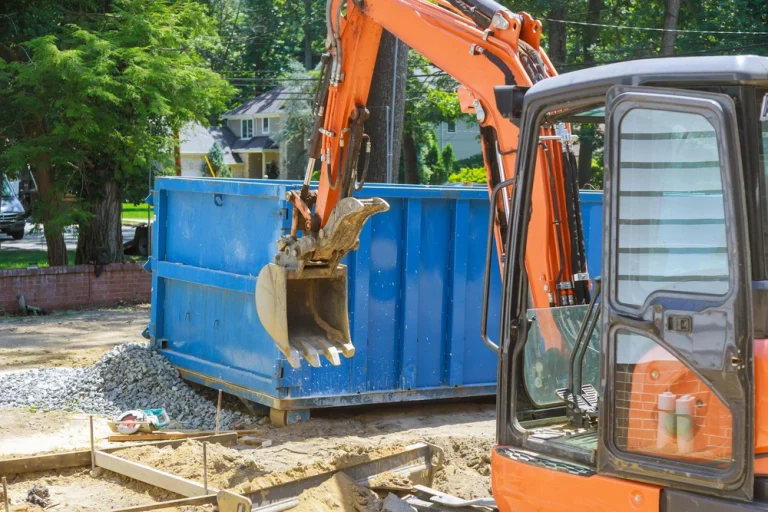
Finally, developing a waste management plan is crucial for an orderly remodel. Differentiate waste that can be recycled, donated, or requires special disposal. Keep three containers on-site for sorting: recycling, shredding, and trash. You might need a 10-yard dumpster rental for your trash container. Not only does this help the environment, it keeps the workspace clear and minimizes the potential for accidents or damage. It’s cost-effective, too, as proper sorting can reduce waste removal fees.Executing the Remodel
Navigating through a home office remodel requires attention to methodical destruction and thoughtful reconstruction. Carefully balancing the removal of old fixtures with the introduction of new elements ensures a seamless transition to your upgraded workspace.Demolition and Waste Disposal
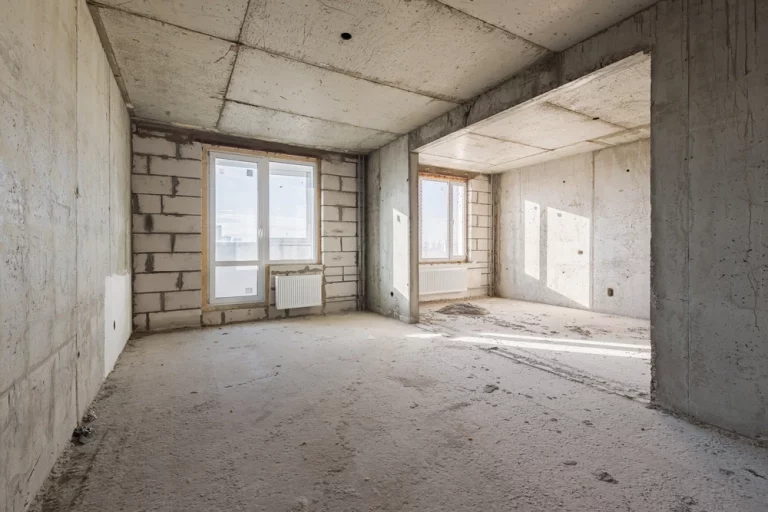
During demolition, you will be removing unwanted elements of your current office. As you strip away old furnishings and fixtures, sort materials into categories for recycling, disposal, or donation. Metals, glass, and certain plastics can often find new life through recycling programs. For items headed for the landfill, consult with local waste management services to understand the proper disposal protocols and whether you can benefit from any disposal strategies that minimize environmental impact.- Materials to sort:
- Metals (Scrap)
- Plastics (Check local recycling guidelines)
- Electronics (E-Waste programs)
- Furniture (Consider donation)
Construction and Painting
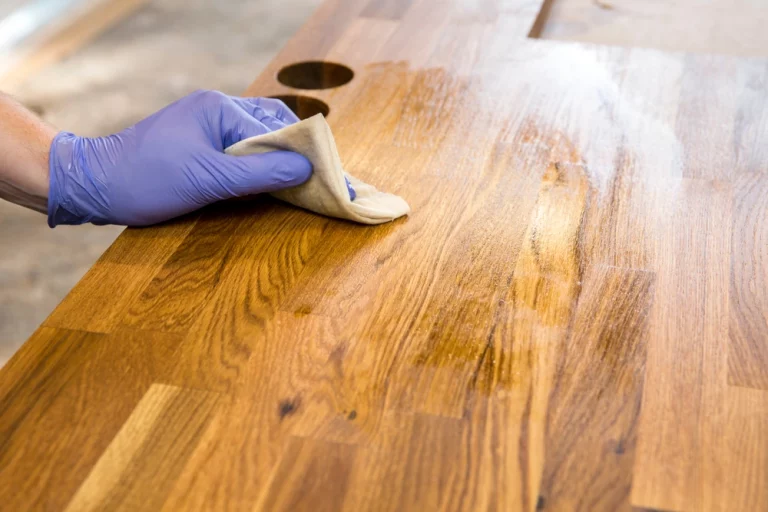
Once the space is cleared, the construction phase begins. If you’re painting, ensure the room is adequately ventilated and choose low-VOC paints to maintain air quality. When updating or installing new electrical fixtures, engage a professional unless you have the necessary skills. This phase is about building the skeleton of your new home office, anticipating where you’ll need outlets, lighting, and perhaps even built-in storage solutions.Storage Solutions
Decisive storage implementation can make or break an office space. Evaluate your office supplies and technology to determine the type and amount of storage you will need. Consider built-in shelves for a sleeker look and floating desks to maximize floor space. Remember, ample storage contributes to a clutter-free environment that is conducive to productivity.- Storage ideas:
- Built-in shelves
- Floating desks
- Multi-use furniture
- Cloud storage for digital files
Furniture and Decor
Select furniture that reflects your personal style while maintaining ergonomic integrity. Investing in a quality chair can reduce the strain of long hours spent at a desk. For decor, choose items that inspire creativity without causing distraction. Consider the acoustics of the room and if necessary, incorporate soft furnishings that can help dampen sound.- Furniture essentials:
- Ergonomic office chair
- Desk with sufficient workspace
- Bookshelves
- Lockable file cabinet
Sustainable Practices
 Implementing sustainable practices during your home office remodel is not just beneficial for the environment, but also for your personal space and well-being. It involves mindful decisions about the materials you choose to reuse and the methods for disposing of waste which directly influence your environmental footprint.
Materials Reuse
Furniture and Supplies: Reuse existing furniture or look for second-hand items to reduce the need for new resources. For instance, give a fresh coat of paint to your old desk or repurpose shelves instead of purchasing new ones, contributing to a sustainable future by reducing waste.Building Materials: If structural changes are part of your remodel, consider salvaging wood beams, doors, or flooring. Not only does this preserve the character of your space, but it also lessens the environmental toll associated with producing and transporting new materials.Environmentally Friendly Disposal
Recycling: Segregate materials that can be recycled such as paper, plastics, and metals. Your local recycling facility can transform these materials into new products, hence, diminishing your contribution to landfill mass.Responsible Waste Services: Engage waste disposal services that have a proven commitment to environmental protection. They ensure that non-recyclable material is handled in a manner that minimizes its impact on the planet.By focusing on both materials reuse and environmentally friendly disposal methods, you are taking an active role in the stewardship of our planet’s resources. This conscious effort paves the way for maintaining a healthy balance in your home and the natural world.Organizing the New Space
Creating an organized home office maximizes efficiency and minimizes stress. Consider both the physical layout of your furniture and ways to maintain a clutter-free environment.Optimizing Office Layout
Your office layout should complement your workflow. Position your desk to face the door or a window to avoid glare on your screen and influence your mood with natural light. Ensure your most used items are within arm’s reach to maintain productivity. Here are steps to optimize your space:- Measure Your Space: Use a tape measure to ascertain the dimensions of your room. This will aid in selecting appropriately sized furniture.
- Draw a Floor Plan: Sketch a to-scale layout or use a digital tool to arrange and rearrange items before physical exertion.
- Consider Ergonomics: Position monitors at eye level and choose an adjustable chair to support your back.
Clutter-Free Workspace
To maintain a clutter-free workspace:- Reduce Paper: Go digital when possible, and immediately sort or discard unneeded mail or documents.
- Organize Storage: Use drawers, filing cabinets, or wall-mounted systems to keep supplies out of sight but easily accessible.
- Regular Maintenance: Dedicate time weekly to declutter your space, ensuring everything returns to its designated place.
Final Touches for a Productive Home Office
 As you near the completion of your home office remodel, certain elements can significantly enhance both its functionality and atmosphere. Carefully chosen furniture, personalized decor, and attention to air quality can create an environment that nurtures productivity.
Selecting Comfortable Furniture
Your office furniture is not just a part of the room’s aesthetics; it’s integral to your comfort throughout the workday. Consider an ergonomic chair that supports your posture and reduces the risk of back pain—this will pay dividends in your overall productivity. Likewise, a desk with ample space will not only accommodate your equipment but also allows for better organization – reducing waste and unnecessary clutter.- Chair: Look for features such as lumbar support, adjustable height, and tilt mechanisms.
- Desk: A desk should be spacious enough for your workflow and include storage solutions to minimize waste.
Personalizing Your Space
Adding personal touches like photos, a selection of your favorite flowers, or unique knick-knacks converts a standard workspace into one that’s uniquely yours. It’s a balance; keep personal items to a minimum to avoid clutter, but include enough to inspire and motivate you. Consider incorporating an area rug for comfort and color—choose low-pile options that are easy to clean, thus keeping waste minimal.- Decoration: Add items that inspire you, such as:
- Framed photos
- Small houseplants
- A decorative yet functional area rug
Improving Air Quality
A clean and fresh environment can significantly impact your ability to focus and remain alert. Utilize an air scrubber or a HEPA filter to remove pollutants and allergens from your office space. These investments contribute not only to better air quality but also to your overall health—a critical factor in maintaining productivity.- Air purification: Choose units specifically designed for office spaces.
- An air scrubber for comprehensive cleansing
- HEPA filters to trap fine particles effectively