Key Takeaways
- Understanding house flipping can lead to profitable investments.
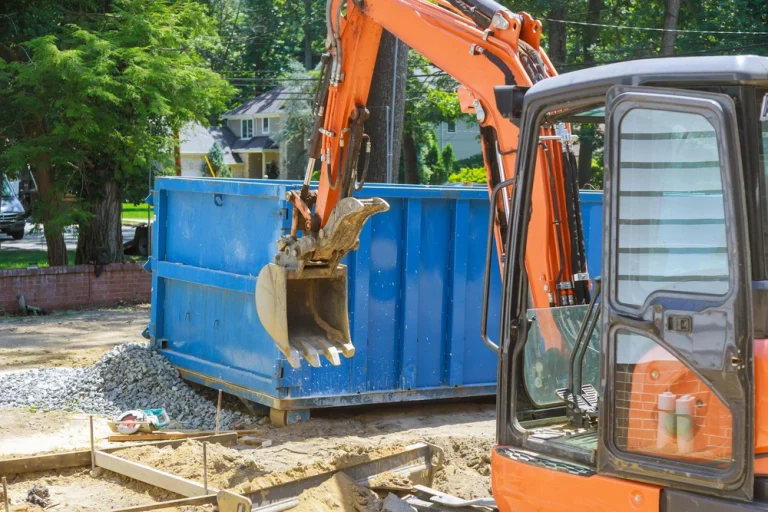
- Essential services, like a good dumpster rental, are vital during renovations.
- Strategic planning and a reliable team are key to successful flipping.

Understanding House Flipping
House flipping involves buying properties, renovating them, and then selling them for profit. It requires significant time, money, and effort. You need to understand its nuances to mitigate financial risks and maximize returns.What Is House Flipping
House flipping is the process of purchasing a property with the intention of improving it and selling it at a higher price. The aim is to generate quick profit by adding value through renovations. Typically, investors look for underpriced properties in desirable locations, complete necessary renovations, and resell them within a short timeframe.The time frame for house flipping can vary from a few months to over a year, depending on the extent of the renovations and market conditions. Investors usually look for properties that require significant but manageable repairs, as these can be acquired at lower prices, allowing for higher profit margins post-renovation.Benefits and Risks
House flipping can be financially rewarding if done correctly. One of the primary benefits is the potential for high profit within a short period. It also allows investors to increase the property’s value through strategic improvements, boosting the resale price.- Benefits:
- High Profit Potential: Profits can be substantial if the property is purchased at a low price and sold high.
- Short-Term Investment: Unlike long-term real estate investments, flipping can yield quick returns.
- Risks:
- Financial Risk: Unexpected repair costs and delays can reduce profits.
- Market Dependent: You rely on a favorable market to sell the renovated property quickly and at a good price.
The Basics of Real Estate Investing
Learning the basics of real estate investing involves understanding the different types of investments available and the essential market fundamentals. This knowledge lays the groundwork for making informed investment decisions.Types of Real Estate Investment
Several types of real estate investment can fit various strategies and goals:- Residential Properties: These include single-family homes, duplexes, and apartments. They serve as rental properties and can provide a steady income stream.
- Commercial Properties: Office buildings, retail spaces, and warehouses fall into this category. These properties usually have longer lease terms and can offer higher income potential.
- Industrial Properties: These include factories, distribution centers, and industrial warehouses. They can be beneficial in areas with significant manufacturing or distribution activities.
- Land: Investing in undeveloped land can be strategic for future development or resale as the area grows.
- REITs: Real Estate Investment Trusts allow you to invest in real estate without having to buy and manage properties directly.
Real Estate Market Fundamentals
Understanding market fundamentals is crucial for successful real estate investing:- Location: The value of a property heavily relies on its location. Areas with robust economic activity, good schools, and essential amenities tend to be more valuable.
- Market Trends: Monitoring local market trends helps you understand property demand and price fluctuations. Trends provide insights into the best times to buy or sell.
- Financing: Knowing the financing options available, such as mortgages, loans, and other funding sources, is critical. The right financing can maximize your returns and manage investment risks.
- Supply and Demand: Real estate markets are driven by supply and demand dynamics. High demand and limited supply can drive property prices up, leading to better returns on investment.
- Economic Indicators: Factors like employment rates, interest rates, and economic growth influence real estate markets. A strong economy typically boosts real estate values.
Formulating Your Investment Strategy
 When planning your house flipping venture, it’s critical to establish clear financial goals and thoroughly evaluate your financial situation. This ensures you stay on track and secure your investment.
Setting Clear Goals
Setting unobstructed financial targets is crucial in house flipping. Decide the profit margin you seek and the timeframe for achieving it. Aim to understand the types of properties that align with your goals, whether they are distressed homes or those needing cosmetic fixes.Establish a precise budget for acquiring properties, renovations, and holding costs. Consider additional expenses such as insurance, taxes, and utility costs. Your financial objectives should be realistic and attainable, accounting for the local real estate market conditions and anticipated repairs.Regularly revisit and adjust your goals based on market trends and project progress. Clear objectives help in making informed decisions and minimizing risks.Evaluating Your Financials
Proper evaluation of your financials is vital. Begin with calculating your maximum budget for property acquisition, renovation costs, and holding expenses. Ensure you consider factors like interest rates, financing options, and potential profit margins.Create a detailed financial plan that includes your income, available capital, and any loans you might require. Assess your credit score and financial history as they influence loan approvals and interest rates. Analyzing your financial health helps in planning realistic budgets and securing the best financing deals.Continuously monitor your finances throughout the flipping process. This careful evaluation helps you manage unexpected costs and adapt to changes, ensuring a successful investment strategy.Acquiring the Right Property
Selecting the right property is crucial for a successful house flip. It involves identifying suitable homes, evaluating their potential, and making informed purchasing decisions.Finding Potential Homes
Locating the right homes starts with research. Use platforms like the Multiple Listing Service (MLS) to search for properties. Focus on homes in desirable neighborhoods, where amenities and schools are top-rated. Target properties that are below market price but have the potential to increase in value after renovations.Drive through potential areas and attend open houses. Network with local real estate agents to discover off-market opportunities. Utilize tools like online real estate portals and auction sites to broaden your search.Assessing Property Values
Assessing property values accurately is key. Evaluate local market trends and comparable sales (comps) in the desired location. Look for homes with strong resale potential. Consider properties needing mostly cosmetic repairs, like new floors, countertops, paint, and landscaping.Employ a professional appraiser if needed. Calculate the expected resale value, renovation costs, and profit margins. Use the 70% rule, which suggests purchasing the property only if the costs (including repairs) are 70% or less of the after-repair value. This ensures a safety buffer and maximizes your investment’s profitability.Financial Planning and Budgeting
 Effective financial planning and budgeting are essential components of a successful house flipping venture. This includes securing financing for your project and managing renovation costs to ensure profitability.
Securing Financing
Finding the right financing is crucial for your house flipping success. Options include traditional mortgages, hard money loans, and Home Equity Lines of Credit (HELOC). Each financing choice has different terms, interest rates, and qualification criteria.Traditional mortgages offer lower interest rates but may require a higher credit score and a longer approval process. Hard money loans are ideal for quick financing needs and are based on the property’s after-repair value (ARV), but they come with higher interest rates and shorter repayment terms. HELOCs can leverage the equity in your existing home to fund your flip, providing flexibility.Evaluate each option based on your financial situation, project timeline, and the local real estate market. Engaging trusted lenders and thoroughly checking the terms and conditions will help you avoid pitfalls and secure the best deal.Managing Renovation Costs
Properly managing renovation costs ensures your project stays within budget and maximizes profits. Start by creating a detailed renovation budget that includes materials, labor, permits, utilities, and insurance.For accurate budgeting, get multiple quotes from contractors and factor in a contingency fund of at least 10-20% of the renovation costs for unexpected expenses. Track all expenses using budgeting software or spreadsheets to maintain financial control throughout the project.Prioritize repairs that boost the property’s ARV, such as kitchen and bathroom upgrades, and avoid over-improving beyond the neighborhood standards. Regularly review and adjust the budget as necessary to reflect any changes in project scope or costs to stay on track.Accurate forecasting and diligent monitoring of expenses are key to achieving successful outcomes in house flipping.Assembling Your Team
Building a strong house flipping team directly impacts your project’s success. Key roles include knowledgeable real estate agents and skilled contractors, as well as reliable inspectors.Working with Real Estate Agents
A real estate agent plays an essential role in your house flipping team. They bring specialized knowledge of the local market, help you find undervalued properties, and provide insights into potential resale values. Good agents also have negotiation skills that can be pivotal in acquiring properties at the best prices.When selecting a real estate agent, look for experience working with house flippers. Their commission structure should be transparent and mutually agreeable. Building a long-term relationship with your agent can lead to greater collaboration and better deals. It can be beneficial to work with multiple agents to widen your property search area.Hiring Contractors and Inspectors
Contractors and home inspectors are crucial for ensuring your property’s renovations are done right and up to code. Contractors handle various tasks such as plumbing, electrical work, and renovations. Ensure you hire licensed and insured contractors who have experience in fast-paced house flipping projects.A home inspector evaluates the property’s condition before purchase, identifying issues that could become costly repairs. Regular inspections during the renovation process ensure work quality and compliance with building codes. Reliable contractors and inspectors work seamlessly to keep the project on track and within budget. Working closely with them ensures that the property is ready for resale and meets all required standards.The Renovation Process
 When flipping a house, the renovation process is critical for increasing your property’s after-repair value (ARV). This section breaks down essential steps to ensure your renovations are successful, cost-effective, and compliant with local building codes.
Planning Home Improvements
Start with a detailed plan. Outline each home improvement you need to undertake. Prioritize renovations that significantly impact the ARV. Common upgrades include kitchen and bathroom remodels, which provide high returns on investment.Create a detailed budget. Include all expected renovation costs to avoid overspending. Use a spreadsheet to track expenses in real-time. This transparency helps manage funds efficiently.Hire reliable contractors. Check references and verify their work quality. Proper vetting ensures your fixer-upper is renovated correctly and on time.Permits are essential. Investigate local building codes and apply for necessary permits before starting any work. This step prevents legal issues and ensures all renovations comply with regulations.Understanding Renovation Details
Dive into specifics to execute quality renovations. Begin with structural repairs. Address foundational issues first; this includes plumbing, electrical work, and roofing. These crucial repairs prevent future homebuyer grievances.Focus on updates that add value. For instance, energy-efficient windows and modern HVAC systems attract buyers and reduce long-term costs. Cosmetic improvements, like fresh paint and updated fixtures, make the property more appealing.Monitor the progress. Regularly inspect the work to ensure standards are met. Schedule walkthroughs with your contractor to discuss any potential changes or additional repairs that may arise.Consider timing and market trends. Renovating quickly yet efficiently is important, especially if the market is favorable. Speedy renovations can capitalize on current interest levels, enabling a quicker sale at a competitive price.Marketing and Selling Strategy
When it comes to selling a flipped house, it’s crucial to effectively market the property and present it attractively to potential buyers. This involves strategic listing, marketing efforts, and staging techniques to maximize your gross profit and minimize time on the market.Effective Listing and Marketing
Creating an effective listing is the first step in marketing your flipped house. Ensure that your listing is detailed, with high-quality photos that highlight the renovations and key features of the property. A thorough description should outline the improvements made, neighborhood amenities, and unique selling points.Use multiple platforms to maximize exposure, including popular real estate websites, social media, and local classifieds. Paid ads can also enhance your reach. Targeted ads on social media can help you reach specific demographics likely to be interested in your property.Working with a real estate agent familiar with house flipping can provide additional insights and help secure a higher resale price. Commissions paid to agents can be offset by their ability to negotiate and close deals effectively.Staging and Showing the Property
Staging the property is crucial to appeal to potential buyers emotionally. Use neutral colors and modern furnishings to create a welcoming, move-in-ready atmosphere. This helps buyers envision themselves living there, which can lead to quicker sales.Declutter and depersonalize the space to make it appealing to a broader audience. Key areas like the kitchen and bathrooms should be spotless and well-organized. Enhance curb appeal with landscaping or exterior touch-ups.Schedule open houses and private showings at convenient times. Ensure that each viewing experience is positive, highlighting the property’s best features. This includes making any final touch-ups and maintaining cleanliness throughout the selling phase.By focusing on these strategies, you can increase buyer interest and close the sale efficiently, ensuring a profitable outcome.Closing the Deal
 Mastering the house-flipping process requires astute negotiation skills and careful attention to detail as you finalize the sale. By preparing effectively for offers and ensuring all sales details are thoroughly handled, you boost your chances of a successful transaction.