Key Takeaways
- Renting a concrete dumpster is a practical disposal method.
- Recycling concrete supports sustainable construction.
- Utilize professional services to ensure best practices.

Understanding Concrete Waste
When dealing with concrete waste, you must recognize its classification and grasp the environmental ramifications of its disposal to make informed decisions.Concrete Waste Categorization
Concrete waste falls under the broad category of construction debris which includes a myriad of materials generated from construction, renovation, and demolition activities. You can often categorize concrete waste into two types: Clean and Mixed. Clean concrete waste is free from contaminants and can be easily recycled, whereas Mixed concrete waste contains steel, rebar, or various other materials, which may require additional processing before recycling.Environmental Impact of Concrete Disposal
The improper disposal of leftover concrete can lead to significant CO2 emissions and a heavier environmental footprint. Concrete waste, if not managed properly, can deplete natural resources and add to the mass of landfills, potentially leaching contaminants into the surrounding soil and groundwater. Conscious disposal and recycling can mitigate these issues by reducing the demand for new materials and the environmental impact associated with their extraction and production.Options for Disposing of Concrete
When you’re ready to get rid of excess or unwanted concrete, it’s important to choose an environmentally responsible and cost-effective method. Here are three concrete disposal options.Renting a Dumpster
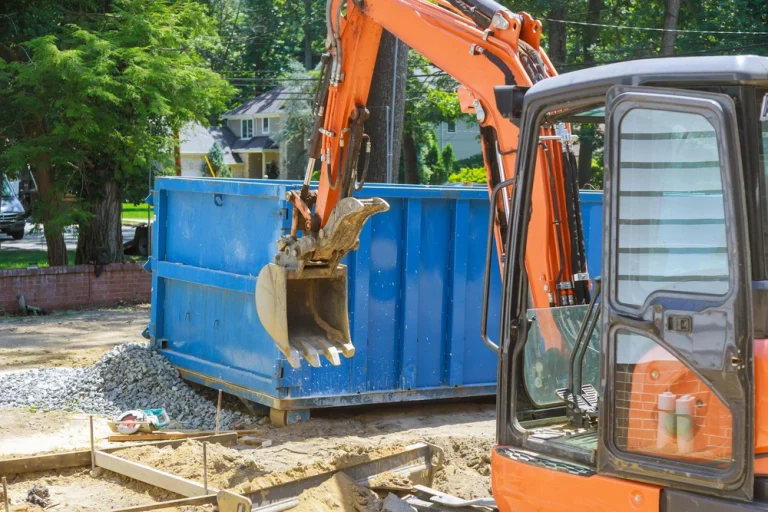
For large amounts of concrete waste, renting a dumpster is one of the most convenient options. Companies like Waste Removal USA specialize in providing dumpsters that are suitable for heavy materials like concrete. With a renting a local dumpster, you can handle waste from renovations, demolitions, or landscaping projects. Here’s how to proceed:- Contact a Dumpster Rental Company: Reach out to a company experienced in concrete disposal to get a free quote.
- Choose the Right Size: Select a dumpster large enough to hold all your concrete waste.
- Plan for Drop-off and Pick-up: Coordinate the delivery and removal of the dumpster to align with your project timeline.
Local Landfill or Transfer Station
You can take the concrete directly to a local landfill or transfer station. However, keep in mind that landfill space is limited and there may be environmental concerns, so it’s beneficial to consider recycling if possible. Before heading to the landfill, check the following:- Acceptance of Concrete: Ensure the site accepts concrete debris.
- Fees: Be aware of the fees based on weight or volume.
Recycling Concrete
Recycling concrete not only conserves landfill space but it can also reduce your disposal costs. Concrete can be recycled into aggregate for use in new construction projects. To recycle concrete:- Find a Concrete Recycling Facility: Look for a nearby facility that accepts concrete.
- Understand the Process: Know that the facility will break down and repurpose your concrete.
- Consider Environment Impact: Concrete recycling helps reduce environmental waste.
Innovative Uses for Discarded Concrete
 Discarded concrete doesn’t have to end up in a landfill; it has potential for creative reuse in various applications. Transforming waste into valuable resources can be both environmentally sustainable and financially beneficial.
Landscaping and Construction
Landscaping Companies have found innovative ways to incorporate recycled concrete into their designs. Broken down into smaller pieces, concrete debris can be repurposed as retaining walls that not only serve a functional purpose but also add aesthetic value to outdoor spaces. Additionally, concrete blocks and slabs can be utilized for erosion control, designed as stylish and durable riprap solutions that protect soil from water-related wear.In the realm of construction, recycled concrete makes for a reliable pavement base, offering a sturdy foundation for roads and driveways. Construction projects benefit from this material’s resilience and lower cost, while road building initiatives often integrate recycled pieces to enhance the infrastructural integrity.Donation to Building Supplies
Your contribution can make a real difference if you donate discarded concrete to a building supplies retailer. These donations support community-based construction efforts, and those in need can access materials for building at a reduced cost. Furthermore, by bringing your old concrete to a construction and demolition recycling center, you ensure the material’s rejuvenation and its return to the market as a viable building resource. This not only aids in reducing waste but also fosters a circular economy, underscoring the principle of sustainability in the construction industry.Professional Concrete Disposal Services
When it comes to getting rid of old concrete, professional disposal services can handle the heavy lifting and ensure that your construction waste is managed properly.Junk Hauling Companies
If you’ve undergone a renovation or demolition project, you might be left with a substantial amount of construction and demolition materials. Junk hauling companies specialize in removing this kind of debris from your property. However, it’s important to note that hiring these services can be more expensive compared to other options. They use industrial equipment like jaw crushers to break down large pieces of concrete on-site, which can be convenient if you need a comprehensive clean-up, but it comes at a cost.Professional Recycling Services
For a more cost-effective solution, you may want to consider dumpster rental. Renting a dumpster is often more affordable than employing a full-service junk removal service. Most professional services will offer various dumpster sizes to accommodate different amounts of construction waste. After filling the dumpster, the rental company will take care of the disposal, often making sure that the concrete is taken to a facility where it can be recycled and reused, reducing the environmental impact of your project.Best Practices for Concrete Disposal
 When disposing of concrete, it’s important to handle the process with consideration for the environment and adherence to regulations. Your strategy should aim for sustainability and cost-effectiveness.
- Identify Recycling Facilities: Start by finding local facilities that specialize in recycling concrete. Recycling allows the materials to be used in new construction projects, reducing the need for virgin materials.
- Check Local Regulations: Ensure you comply with local ordinances concerning waste disposal.
- Assess the Amount: Evaluate how much concrete waste you have, as this influences disposal options.
- Size and Rent the Right Dumpster: For substantial amounts of waste, renting a dumpster may be necessary. Choose a size based on the volume of concrete. Keep in mind that concrete disposal costs can be affected by the dumpster size and rental duration.
- Reuse When Possible: Concrete chunks can often be repurposed for landscaping or as aggregate for new concrete, promoting eco-friendly and sustainable construction practices.
- Safety First: During disposal, prioritize safety by wearing the proper personal protective equipment and following safe handling procedures.