Key Takeaways
- Proper hazardous waste management ensures safety and regulatory compliance.
- Dumpster rentals can facilitate effective waste segregation and disposal.
- Continuous monitoring and improvement are crucial for sustainability.

Understanding Hazardous Waste in Construction
Handling hazardous waste in commercial construction is crucial for maintaining safety, regulatory compliance, and environmental protection. This section explores identifying these materials, understanding the regulations, and recognizing their distinct characteristics.Identifying Hazardous Materials
Identifying hazardous materials on construction sites is the first step to proper waste management. Common hazardous materials include asbestos, lead-based paints, solvents, and certain types of insulation. Proper identification ensures that these materials are handled safely to minimize risks.Using labels and safety data sheets (SDS) can aid in the clear identification of hazardous waste. Dumpster rentals equipped for hazardous waste can be an effective solution for managing these materials on site. Training your team to recognize these hazardous materials can further prevent accidental exposure.Regulatory Compliance and Audits
Regulatory compliance is essential in managing hazardous waste. Construction sites must adhere to regulations set by agencies like the EPA and OSHA. These regulations stipulate how to handle, store, and dispose of hazardous materials to protect human health and the environment.Regular audits and inspections can ensure compliance. Establishing a routine for conducting internal audits helps in identifying non-compliance issues early. Engaging with a certified waste management company can assist in maintaining compliance with all federal and state regulations.Characteristics and Classes of Hazardous Waste
Hazardous waste is classified based on characteristics such as toxicity, ignitability, corrosivity, and reactivity. Understanding these classifications helps in the safe handling and disposal of these materials.For example, a waste with high ignitability may require specific storage conditions to prevent fires, while corrosive wastes need containers resistant to chemical reactions. Utilizing specialized dumpster rentals designed for different types of hazardous waste can streamline the management process.Recognizing and categorizing waste accurately ensures that you comply with regulatory requirements and protects the health of your workers and the community. Effective waste management practices, such as reducing waste at the source, play a critical role in handling hazardous materials.Planning and Preparing for Hazardous Waste Management
Efficient hazardous waste management in commercial construction involves creating a detailed plan, prevention strategies, and comprehensive training. Each facet is crucial for safety, compliance, and environmental responsibility.Creating a Waste Management Plan
Developing a waste management plan is essential for any construction project. Start by identifying the types of hazardous waste your project will generate. Categorize these types and outline procedures for handling, storing, and disposing of each one. Include emergency protocols for spills and accidents to ensure quick response and mitigation.A key component is scheduling regular waste pickups. Utilizing a dumpster rental service can streamline the disposal process, ensuring that waste does not accumulate on-site. This approach not only keeps your site clean but also minimizes health risks.Waste Prevention and Reduction Strategies
Preventing and reducing hazardous waste begins with strategic planning. Evaluate your materials and processes to identify opportunities to minimize waste generation. Select materials that produce less waste and encourage suppliers to adopt sustainable practices.Implementing waste reduction strategies such as reusing materials and recycling can significantly lower the amount of hazardous waste. For instance, using modular construction methods can reduce material waste. Moreover, implementing a waste tracking system can help monitor waste production and identify further reduction opportunities.Training and Stakeholder Engagement
Training your team and engaging stakeholders are critical components. Ensure that all employees involved in handling hazardous waste receive thorough training on safety procedures, legal requirements, and emergency response. This training should be updated regularly to keep up with any changes in regulations or site-specific needs.Engage with all stakeholders, including subcontractors and suppliers, to ensure they understand and comply with your waste management procedures. Conduct regular meetings and workshops to discuss best practices and encourage open communication about waste handling improvements. Proper training and stakeholder engagement not only improve safety but also enhance overall project efficiency.Safe Handling and Disposal of Hazardous Waste
 Effectively managing hazardous waste in commercial construction sites involves meticulous on-site handling, appropriate storage, and proper transportation and disposal methods.
On-site Handling and Storage Techniques
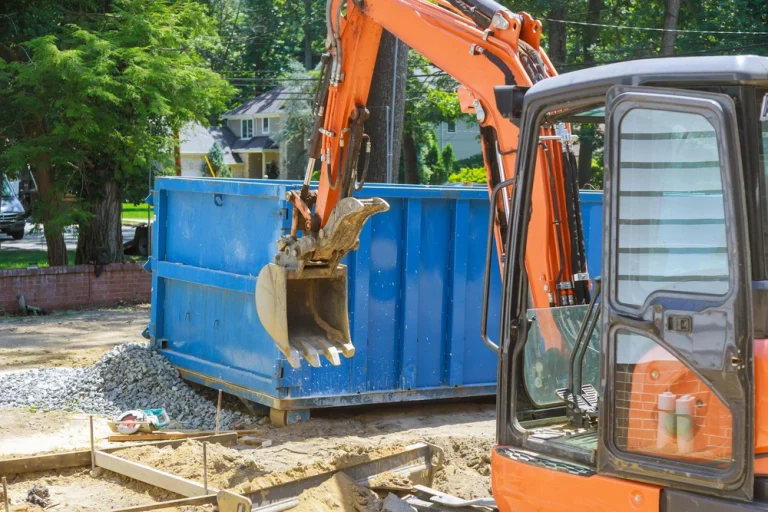
Proper on-site handling and storage of hazardous waste are crucial to prevent accidents and environmental contamination. First, identify the type of hazardous waste generated. Keep materials like paint, solvents, and asbestos in designated areas with adequate ventilation. Use clearly labeled, sturdy containers that are compatible with the waste type to prevent leaks or reactions.Store containers on impermeable surfaces with secondary containment systems to capture spills. Maintain a clean and organized storage area, regularly inspecting containers for damage. Dumpster rentals can help in managing non-hazardous construction and demolition waste by separating regular debris from hazardous materials, simplifying overall waste management.Personal protective equipment (PPE) such as gloves, masks, and goggles is essential to protect workers during handling. Provide comprehensive training on waste handling procedures and emergency response to ensure everyone understands the risks and safety measures.Transportation and Disposal Methods
Transporting hazardous waste requires adhering to local, state, and federal regulations. Use licensed hazardous waste transporters who comply with the Department of Transportation (DOT) regulations. Properly label and document each container with a manifest detailing waste type, quantity, and destination.Disposal methods vary based on the waste type. Options include landfilling, incineration, recycling, or treatment at hazardous waste facilities. Ensure each method meets the Environmental Protection Agency (EPA) standards to minimize environmental impact.Working with professional waste disposal services can streamline the process, guaranteeing safe removal and compliant disposal of hazardous materials. Efficient hazardous waste management helps in maintaining a safe construction site while protecting public health and the environment.Sustainability and Environmental Impact
Implementing sustainable practices in commercial construction can significantly reduce the environmental footprint. By focusing on recycling, reducing greenhouse gas emissions, and enhancing resource efficiency, you can create more eco-friendly construction sites and buildings.Recycling and Reuse of Materials
Recycling and reusing materials in commercial construction not only preserve natural resources but also reduce the amount of waste that goes to landfills. Utilizing recyclable materials like steel, glass, and concrete can greatly minimize waste. For instance, building components such as doors and windows can often be reused in new projects, thus saving costs and reducing environmental impact.Effective waste management includes using tools like dumpster rentals, which can help organize and segregate recyclable and non-recyclable materials on-site. This method ensures proper disposal and recycling of various construction debris, facilitating a more sustainable construction process.Reducing Greenhouse Gas Emissions
Reducing greenhouse gas emissions is crucial in combating climate change and promoting sustainability in construction. By adopting energy-efficient practices and materials, you can significantly lower the carbon footprint of your projects. Using low-emission machinery and electric vehicles for on-site transportation helps in this effort.Implementing a program like the Energy Star Portfolio Manager can monitor and manage energy consumption, ensuring operations are as efficient as possible. Optimizing energy use in the construction phase and in the operation of the completed buildings reduces overall greenhouse gas emissions, contributing to a healthier environment.Enhancing Resource Efficiency
Enhancing resource efficiency involves the strategic use of materials and resources to minimize waste and environmental impact. This includes selecting high-quality, durable materials that have longer life spans and require less frequent replacement or maintenance. Employing techniques such as modular construction can also be beneficial as it often results in less waste and higher precision.Moreover, using renewable resources and sustainable materials such as bamboo or recycled steel can contribute significantly to resource efficiency. Effective planning and advanced design technologies reduce unnecessary material usage and optimize resource allocation, fostering a more sustainable construction practice.Monitoring, Reporting, and Continuous Improvement
 Effective management of hazardous waste in commercial construction requires diligent tracking, reporting, and the setting of clear targets. It also benefits from adopting industry best practices and learning from case studies.