Key Takeaways
- A strategic plan can set the stage for a successful bathroom renovation.
- Thoughtful design and budgeting are key factors in achieving both beauty and functionality.
- Prioritizing comfort, safety, and sustainability during remodeling enhances the bathroom experience.

Setting Your Bathroom Renovation Goals
Defining your bathroom renovation goals involves a combination of understanding your personal needs and keeping up with the latest in bathroom design. This vital first step will shape the direction of your entire project.Assessing Your Needs and Preferences
Begin by considering function and style in equal measure to ensure your renovated bathroom meets your daily needs while reflecting your personal taste. Start by asking yourself what functionalities are currently lacking in your bathroom. For example, do you require more storage for toiletries, or are you looking to include dual sinks to ease morning routines?Style is another critical aspect of your bathroom renovation. Decide whether you prefer a modern, rustic, minimalist, or perhaps a contemporary or farmhouse aesthetic. A traditional look can invoke a timeless feel, whereas a modern style often features clean lines and sleek surfaces. Here’s a simple approach to honing your style:- Modern: Embrace simplicity and high-tech features.
- Rustic: Incorporate natural materials for a warm, earthy ambiance.
- Minimalist: Focus on decluttering and keeping only the essentials.
- Traditional: Blend classic fixtures and antique pieces for an elegant touch.
- Farmhouse: Mix rural charm with comfort, leaning on wood accents and open shelving.
Exploring Bathroom Design Trends
Keeping an eye on current bathroom design trends can inspire your renovation project. Visit showrooms, browse designer strategies for hassle-free projects, or scroll through online style guides to see what appeals to you.Aesthetics play a huge role in the feel of your bathroom. For instance, opting for a rustic or farmhouse design can evoke a sense of warmth and comfort, whereas contemporary designs offer clean, bold lines that often incorporate the latest modern fixtures. When it comes to beauty, integrating elements like underfloor heating can add luxury as well as functionality to a traditional or modern bathroom space, enhancing the overall experience.As you explore, pay attention to how different trends might align with your personal preferences—would a minimalist approach better suit your need for simplicity, or does the craftsmanship of a traditional space resonate more deeply with you? Keep functionality at the forefront, and ensure that any trend you pursue enhances, rather than detracts from, the practical use of your bathroom.Designing Your Bathroom Layout and Features
Effective bathroom renovation hinges on a smart layout, high-quality materials, and personal touches. Ensuring functionality and aesthetics go hand-in-hand will make the room work for your needs.Choosing the Right Fixtures and Fittings
Your choice of fixtures and fittings is crucial for both the functionality and the look of your bathroom. Choose a toilet with efficient flushing capabilities and a sink that complements your space. For showers and bathtubs, consider your space and usage needs – a combined tub and shower might save space, while separate units could cater to a more luxurious experience.- Toilets: Compact models are ideal for smaller spaces.
- Sinks: Wall-mounted options offer a clean, modern look and free up floor area.
- Showers: Walk-in designs with minimal hardware provide a sleek appearance.
- Bathtubs: Freestanding tubs act as a focal point.
Maximizing Space and Storage Solutions
To make the most of your space, integrate clever storage solutions without compromising on style. Utilize vertical spaces with shelving or tall cabinets, and consider built-in niches in showers for toiletries. Vanity units with integrated storage below the sink can hide away personal items and cleaning products.Recommendations:- Utilize corner units for extra storage without taking up much floor space.
- Include recessed medicine cabinets for a sleek, flush-mounted look.
- Add towel racks or hooks on the back of the door to conserve wall space.
Selecting Tiles, Countertops, and Color Schemes
Your tile choice should be both durable and reflective of your personal style. Water-resistant tiles for floors and walls are practical, while decorative tiles can add a splash of character. For countertops, materials such as quartz or granite offer durability and ease of maintenance. When selecting your color scheme, choose a palette that creates the desired mood and complements the overall design.- Floor Tiles: Non-slip and easy to clean.
- Wall Tiles: Can add texture or color to the space.
- Countertops: Should be water-resistant and able to withstand frequent usage.
- Color Schemes: Consider light colors for a feeling of spaciousness.
Planning and Budgeting Your Bathroom Renovation
 Effective planning and a realistic budget are pillars of a successful bathroom renovation. They ensure that your vision for the space aligns with your financial resources and can be completed in a timely manner.
Understanding the Cost Factors and Budgeting Tips
The cost of renovating a bathroom can vary widely based on several factors, including the size of your bathroom, the quality of materials chosen, and whether you’re updating fixtures or making structural changes. To develop a comprehensive budget:- Determine your maximum spend for the project and plan to set aside at least 10% of that budget for unexpected costs.
- Break down the costs as follows:
Cost Component Description Allocation (%) Labor Contractor’s work 40-50 Materials Tiles, fixtures, etc. 30-40 Design Professional fees 10-20 Contingency Unplanned expenses 10 - Get estimates from contractors to have a clear understanding of the labor costs involved.
Creating a Detailed Renovation Plan and Timeline
A detailed plan is your roadmap for the renovation process. To make your plan:- Measurements: Accurately measure your bathroom space to avoid purchasing materials in incorrect quantities which can waste money and time.
- Design: Choose a design that optimizes the use of your space. Consider consulting with a designer if this step is challenging for you.
- Materials: Select materials and fixtures. Ensure they are available and can be delivered within your desired timeline.
- Permits: Check if your renovation requires permits and account for the time needed to acquire them.
- Demolition and Disposal: Allocate time for removing old fixtures and materials.
- Plumbing and Electrical: Schedule any work involving utilities early on.
- Construction and Installation: Factor in time for the bulk of the construction work.
- Finishing Touches: Leave room for painting, installing light fixtures, and other final touches.
Executing the Bathroom Renovation Process
Embarking on a bathroom renovation requires careful planning and execution. It is essential to progress methodically through the necessary stages of preparation, construction, and detailing to ensure a successful remodel.Preparation and Demotion
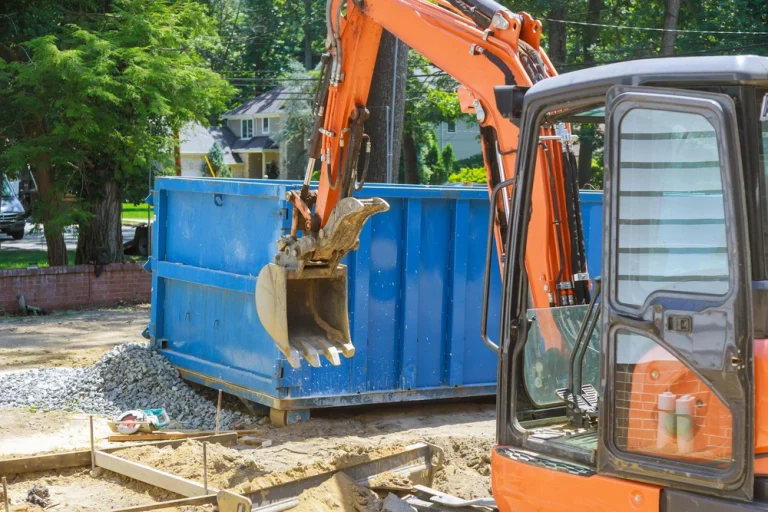
Before any new installations begin, preparation and demolition are crucial. Begin by clearing out the existing fixtures and fittings. Protect any surfaces or areas that are not being renovated with drop cloths or plastic sheeting to avoid unwanted damage. Shut off the water supply, and safely remove the toilet, sink, and bathtub. If you’re handling the demolition yourself, use the appropriate safety gear and a residential dumpster rental to remove tiling and other attached elements.- Safety Gear List:
- Gloves
- Goggles
- Dust mask
- Ear protection
Plumbing, Electrical, and Other Installations
Once the space is clear, plumbing and electrical work comes next. This step often requires professionals to ensure everything is up to code. Adjustments to your bathroom’s plumbing might be necessary, especially if you plan to change the layout or upgrade to more efficient fixtures. Electrical work is integral too, as safe lighting and power are crucial in a wet environment. It is also the optimal time for installing ventilation systems, which are essential for reducing mold and humidity.- Key Installations:
- New plumbing for the shower, sink, and toilet
- Electrical wiring for lighting and sockets
- Bathroom-specific exhaust fan
The Finishing Touches
The final phase is where your bathroom truly begins to come together. Install the drywall and paint with a mildew-resistant paint suited for bathrooms. Laying tiles for the floor and walls should be done with precision, remembering to leave spaces for grout which will need to be sealed properly. Install the bathroom vanity, cabinets, and shelving, securing them firmly and ensuring they’re level. Fixtures such as faucets, towel bars, and light fittings can now be added. Apply caulk and sealant where needed, such as around the bathtub and vanity, to prevent water damage.- Finishing Checklist:
- Install tile with appropriate spacing for grout
- Secure cabinets and vanity
- Install and test lighting fixtures
- Apply caulk to seal edges and prevent leaks
Enhancing Comfort, Safety, and Sustainability
 Renovating your bathroom offers an opportunity to improve not only its aesthetic but also its functionality and environmental impact. Carefully selecting materials and features can greatly enhance the comfort, safety, and eco-friendliness of this essential space.