Key Takeaways
- Industrial building projects differ significantly from residential or commercial ones.
- Project planning and experienced contractors are critical to success.
- Staying informed on trends and regulations is essential.

Understanding Industrial Building Construction
Industrial building construction spans from the transformative period of the American Industrial Revolution to today’s diverse construction types. This sector includes heavy industrial buildings and light manufacturing buildings, each serving distinct purposes within the construction industry.Historical Context and Industrial Revolution
The onset of industrial building construction closely aligns with the American Industrial Revolution. During this era, factories, power plants, and other large-scale facilities began to emerge, revolutionizing manufacturing and distribution processes. The architectural designs were characterized by large open spaces, high ceilings, and durable materials.Innovations such as prefabrication and modular construction started to take root, allowing quicker and more cost-effective building methods. These practices laid the groundwork for contemporary construction techniques. The use of steel and concrete became prevalent, providing the necessary strength and stability for massive structures utilized in industrial production.Modern Industrial Building Types
Today’s industrial construction involves various building types tailored to specific needs, including warehouses and storage facilities. Heavy industrial buildings, for instance, are built to house large machinery and equipment used in sectors like manufacturing and energy production. These structures must meet specific requirements for durability, safety, and operational efficiency.Light manufacturing buildings serve different functions, often focusing on smaller scale production and assembly. These buildings still prioritize efficiency and durability but may employ lighter materials and more adaptive designs. Prefabrication and sustainable materials are increasingly utilized to minimize construction timelines and environmental impact, responding to modern economic and ecological demands.Project Planning and Management
Effective project planning and management are critical in industrial building construction for ensuring timely and within-budget project delivery. Attention to the project life cycle and meticulous resource and cost management are essential to the success of any construction project.Project Life Cycle
The project life cycle encompasses several critical phases from initiation to completion. These include planning, design, permitting, and pre-construction activities. During the planning phase, project goals are defined, and feasibility studies are conducted. Detailed design follows, where blueprints and specifications are developed.Once the design phase concludes, obtaining necessary permits is crucial. Pre-construction involves site analysis, contractor selection, and resource planning. Finally, the execution phase focuses on actual construction, adhering strictly to the project schedule and scope.Resource and Cost Management
Resource and cost management are vital for maintaining project efficiency and profitability. You must plan and allocate resources, including labor, materials, and equipment, accurately to prevent delays and cost overruns. Implementing detailed tracking and reporting systems allows for ongoing monitoring of resource usage.Budgeting is another core element. Creating a comprehensive budget that includes contingencies can mitigate financial risks. Employing software tools to manage costs, resources, and schedules enhances accuracy and efficiency, ensuring that every aspect of the project adheres to the set financial and resource plans.Design and Infrastructure
 In industrial building construction, detailed planning of the architectural design and the integration of advanced technology into infrastructure is crucial. Attention to design ensures functionality, while modern infrastructure leverages technology for efficiency and sustainability.
Building Design Considerations
When designing an industrial facility, you must consider various factors to optimize performance and safety. Height and clearance are essential for accommodating machinery and storage systems. Ensuring proper ventilation and indoor air quality is critical for a healthy working environment.Specialty lighting plays a significant role in operations, requiring tailored solutions to support specific tasks. Structural components like slabs must be designed to bear heavy loads, while also facilitating easy movement and storage of goods. Moreover, employee safety features such as fire exits and safety rails should be ingrained in the design to comply with regulatory standards and ensure worker protection.Infrastructure and Technology Integration
Incorporating technology into your industrial facility’s infrastructure enhances efficiency and durability. Building Information Modeling (BIM) is an essential tool that helps manage the lifecycle of the facility from planning to maintenance. This technology offers a detailed 3D representation, allowing for better coordination among different stakeholders.Integration of automated systems for shipping, receiving, and inventory management can streamline operations, reducing manual effort and minimizing errors. The implementation of smart sensors and IoT devices in the infrastructure allows for real-time monitoring of equipment and environmental conditions, optimizing energy use and predictive maintenance.Investing in a robust network infrastructure ensures seamless communication between various systems and departments, creating a more responsive and adaptive industrial environment. Adopting these technology-driven enhancements results in improved productivity and sustainability of your industrial facility.Materials and Construction Techniques
Industrial building construction demands durable materials and advanced methods to ensure the structures can handle heavy machinery and harsh environments. Specific materials like steel and concrete are critical, and modern techniques focus on efficiency and sustainability.Choosing the Right Materials
Selecting appropriate materials is crucial for industrial buildings. Steel is a preferred choice due to its strength and flexibility. It can withstand high stress and is resistant to environmental factors like corrosion. Concrete is another essential material known for its durability and fire resistance. Both materials contribute to the overall stability and longevity of the structure.Using energy-efficient materials is now a priority, as well. Innovations in building materials have led to the development of sustainable materials that reduce environmental impact. These include recycled steel and concrete alternatives that incorporate industrial by-products. The right material selection ensures the construction meets regulatory standards and achieves the desired performance characteristics.Modern Construction Methods
The construction process in industrial buildings utilizes advanced techniques to improve speed, safety, and quality. Prefab construction is increasingly popular; components are manufactured off-site and assembled on-site, reducing construction time and minimizing waste. This method is particularly effective when working with materials like steel and concrete.Building Information Modeling (BIM) is another technique revolutionizing construction. BIM enables detailed planning and visualization of the entire project, facilitating better decision-making and collaboration among stakeholders.Additionally, techniques aimed at increasing energy efficiency are implemented to reduce operational costs and environmental footprint. These include improved insulation, energy-efficient lighting, and systems for managing energy consumption effectively. Adopting modern methods ensures that industrial buildings are not only robust but also sustainable and efficient.Safety, Regulations, and Compliance
 Ensuring the safety of workers and adhering to building and occupancy codes are crucial components of industrial building construction. This involves implementing stringent safety protocols and ensuring compliance with all relevant regulations.
Occupational Safety Measures
In industrial building construction, safety protocols play a critical role. Occupational Safety and Health Administration (OSHA) standards mandate the implementation of comprehensive safety measures to protect workers from hazards. These measures include fall protection, proper electrical safety practices, and hazard communication.Regular site inspections and risk assessments help identify potential dangers. Workers must use personal protective equipment (PPE) such as hard hats, gloves, and harnesses. Training programs are essential to educate workers on safety practices and the correct use of equipment. Establishing a safety and health program with specific goals and objectives can further enhance worker safety.Compliance with Building Codes and Regulations
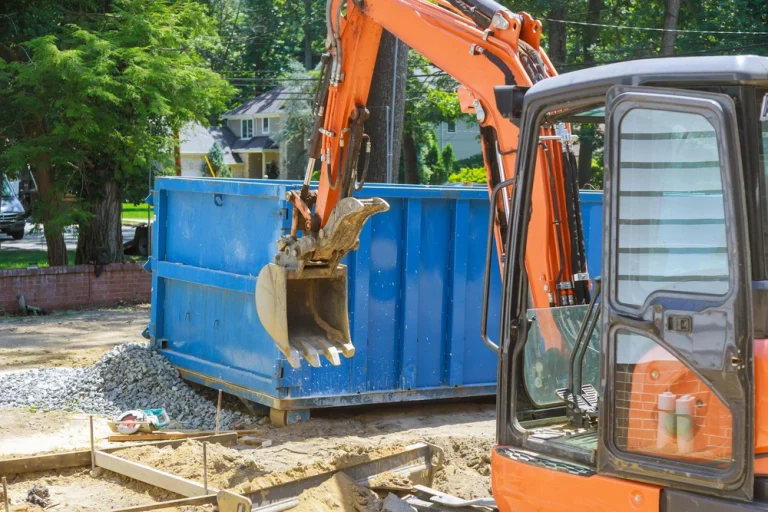
Compliance with building codes and regulations is mandatory for industrial building projects. These codes encompass standards for design, construction, and occupancy requirements. Ensuring compliance involves adhering to the regulations set forth in Title 29 of the Code of Federal Regulations, which covers various aspects of construction safety.Building codes specify structural requirements, fire safety provisions, and accessibility standards. Regular inspections by local authorities are conducted to verify compliance with these codes. Maintaining compliance with OSHA standards and local building regulations helps avoid legal issues and ensures the safety of occupants.To ensure all aspects of safety and regulatory compliance are addressed, it is imperative to stay updated on the latest regulations and continuously monitor construction practices. Adhering to these regulations not only protects workers but also contributes to the long-term success of the project.It’s also important, when taking on an industrial building construction project, to get a commercial dumpster rental. This tool will allow you to toss out all the junk, trash, and garbage materials to keep your job site safe and clean.Economic and Market Considerations
Understanding the economic and market aspects of industrial building construction is crucial. This understanding encompasses market size and growth, as well as cost analysis and pricing strategies.Market Size and Growth
The construction industry, a fundamental part of modern economies, significantly impacts economic stability. Industrial buildings play a key role in global supply chains, driving demand for construction projects. The sector contributes about 9% of the EU’s GDP and provides 18 million direct jobs in the EU alone, highlighting its vast market size and growth potential.Economic factors such as GDP growth, industrial expansion, and technological advancements influence the construction market. For instance, increased manufacturing activity and urbanization spur demand for new industrial facilities. Additionally, government policies promoting sustainable construction practices can further stimulate market growth.Cost Analysis and Pricing Strategies
Cost analysis and pricing strategies are critical for the profitability of industrial construction projects. You must consider numerous factors, including material costs, labor expenses, and project duration.Material costs can fluctuate based on market conditions and availability. Efficient procurement strategies can mitigate cost variations. Labor expenses depend on the skill level required and regional wage standards. Integrating technology and automation can reduce labor costs and enhance productivity.Pricing strategies often involve competitive bidding, cost-plus contracts, and guaranteed maximum price agreements. These methods ensure that projects remain financially viable while meeting client expectations. By balancing these factors, you can manage project costs effectively and secure a competitive edge in the market.Future Trends and Innovations
Industrial building construction is rapidly evolving with advancements in technology and a growing emphasis on sustainability. Here’s a look at the most pivotal changes shaping the industry.Emerging Construction Technologies
Emerging construction technologies are revolutionizing the industry, particularly through the use of robotics, digital project management, and advanced materials. Autonomous robots, such as those developed by Weston Robot, improve productivity by handling time-consuming tasks.Digital project management tools, leveraging cloud-based software, enhance the ability to meet quality, time, and cost objectives. Additionally, utilizing futuristic construction materials like aerogels and self-healing concrete not only lower costs but also speed up projects. The integration of these technologies ensures better efficiency and safety in construction processes.Sustainability and Green Building Practices
Sustainability and green building practices are crucial for the future of industrial building construction. There is a substantial shift towards using eco-friendly materials and techniques to minimize environmental impact. For instance, new building materials such as nanomaterials and innovative designs are being adopted to enhance energy efficiency and reduce waste.Implementing robust sustainability practices also aligns well with regulatory standards and can lead to significant cost savings. Moreover, projects funded by acts such as the CHIPS Act and IIJA are increasingly focusing on sustainable development, emphasizing the importance of this trend in the construction industry. By adopting green practices, you contribute to a more sustainable future while optimizing your building operations.Specialized Industrial Buildings
 Specialized industrial buildings are essential for catering to specific industry needs. These structures include warehouses, manufacturing facilities, and research centers, each designed to optimize efficiency and functionality in their respective roles.