Key Takeaways
- Furniture removal services cater to a variety of needs from residential decluttering to commercial clear-outs.
- Eco-friendly options for furniture disposal, such as donation and recycling, are available to minimize environmental impact.
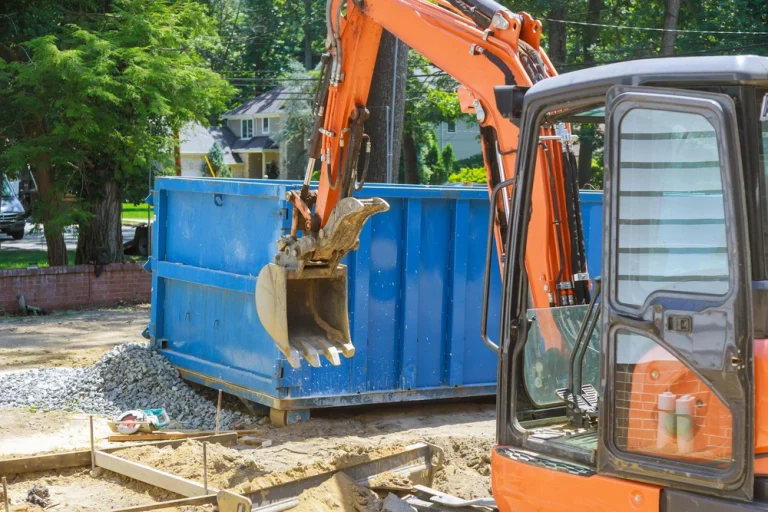
- Renting a dumpster for junk furniture can be a cost-effective solution when facing a significant amount of waste.

Understanding Junk Furniture Removal
When your home starts feeling cluttered with unwanted, large, or old furnishings, understanding the ins and outs of junk furniture removal can guide you toward a clearer and more organized living space. Effective disposal goes beyond mere discarding, encompassing identification, handling, and environmental responsibility.Defining ‘Junk’ and ‘Furniture Removal’
‘Junk’ references items you deem no longer valuable or functional, like worn-out sofas or broken tables. ‘Furniture removal’ is the process in which these pieces are taken out of your home and managed thereafter. Here are some identifiers for furniture that typically falls into the ‘junk’ category:- Age: Furniture that’s past its prime, showing signs of significant wear and tear.
- Condition: Items that are broken, damaged, or otherwise unusable.
- Relevance: Pieces that no longer fit your lifestyle or home’s aesthetics.
The Importance of Safe Disposal Methods
Safe disposal is crucial to prevent environmental harm and adhere to local disposal regulations. Furniture often contains materials that should not end up in landfills. You should consider recycling or donating options before resorting to landfill solutions. Here’s why safe disposal is essential:- Environmental Protection: Certain furniture materials can be hazardous if not disposed of properly.
- Legal Compliance: Many areas have specific laws governing large item disposal to avoid fines.
- Community Responsibility: Donating usable items supports those in need and promotes sustainability.
Environmental Considerations in Junk Removal
When you’re ready to part with old furniture, it’s crucial to consider the environmental implications of your choices. The methods you choose can have lasting impacts on sustainability practices and waste management.Eco-Friendly Disposal Practices
It’s important for you to identify ways to dispose of your unwanted furniture without causing harm to the environment. Seeking out services that promote eco-friendly junk removal can make a significant difference. These services often ensure that items which can be harmful if thrown into a landfill, such as couches with metal frames or electronic components, are treated with care. Hazardous materials embedded in furniture require special handling to avoid soil and water contamination. Some junk removal companies specialize in the eco-conscious disposal of these items, aiming for a greener approach by sorting and disposing of materials in a manner that is kinder to our planet.- Identify an eco-friendly junk removal service
- Ensure hazardous materials are disposed of properly
- Support services that prioritize green disposal methods
Recycling and Donating Old Furniture
Recycling and donating are preferred methods for disposing of old furniture, as they extend the life of the products and keep them out of landfills. Recycling can take many forms, from breaking down components such as wood and metal for reuse to refurbishing the entire piece for a second life. Moreover, many items can find a new home through donation, providing ample benefits to those in need and contributing to a circular economy.- Break down furniture components for recycling
- Consider donating to extend the life of furniture
Junk Removal and Hauling Services
 When decluttering your space, selecting an appropriate junk hauling service can greatly simplify the process, while understanding what full-service removal entails ensures a well-informed decision.
Choosing the Right Junk Hauling Service
When you’re looking for a junk hauling service, it’s essential to choose a professional and reliable company. A credible service should have a fleet of trucks suitable for the efficient removal of unwanted items, whether they be old furniture, appliances, or miscellaneous debris. Here’s what to consider:- Reputation: Read reviews and testimonials to gauge customer satisfaction.
- Capacity: Ensure they have trucks large enough to accommodate your junk in as few trips as possible.
- Recycling and Donation Policies: Select services that prioritize eco-friendly practices.
Full-Service Junk Removal Explained
Full-service junk removal means the company takes care of everything from start to finish. Once you book an appointment, they will:- Arrive at the scheduled time and offer an onsite estimate.
- Remove the junk from wherever it’s located.
- Sweep up the area after hauling the items away.
- Sort items for donation, recycling, or disposal, adhering to local regulations.
The Logistics of Removing Bulky Furniture
Removing bulky furniture such as sofas, credenzas, or office furniture requires careful planning and the right approach to ensure safety and efficiency.Preparing Furniture for Removal
Before the actual moving day, it’s important to prepare your furniture for removal. Begin by decluttering any items on or inside your furniture; this not only reduces weight but also prevents the loss of personal items. If you have a credenza or a desk, remove all contents and secure drawers and doors from swinging open during transit.- Measure Doorways and Furniture: Verify the dimensions of your furniture and the doorways, stairways, and halls it must pass through. This step is crucial in creating a plan to navigate tight spaces without causing damage to your home or the item.
- Disassemble When Possible: For larger items, if it’s feasible, disassemble components to make the furniture easier to handle. Keep screws and other hardware in clearly marked bags so you can put everything back together at your destination.
- Protect Surfaces and Corners: Wrap furniture in moving blankets or bubble wrap, paying extra attention to corners and fragile areas. Use packing tape to secure the protective materials, but make sure it doesn’t come in contact with the furniture’s surface to avoid damage.
Handling Bulky Items and Preventing Injury
When it comes to the physical removal of bulky items, safety is paramount.- Use Proper Lifting Techniques: Always lift using your legs, not your back. Keep your back straight and bend at the knees.
- Lifting Equipment: Consider using tools like a dolly, straps, or a furniture slider to move heavy objects. This equipment reduces strain on your body and helps prevent accidents.
- Clear a Path: Ensure that your exit path is clear of obstacles to avoid tripping or bumping into things.
- Teamwork: Never attempt to handle overly heavy or awkward furniture alone. Having a team not only distributes the weight but also provides better maneuverability and control when moving through the house or loading into a vehicle.
Costs and Affordability of Furniture Removal
 Understanding the costs involved in furniture removal helps you plan and allocate your budget effectively for this service. It’s important to consider various factors that influence the price to ensure you choose an affordable and reliable furniture removal service.
Estimating the Cost of Junk Furniture Removal
When you’re looking to dispose of old furniture, knowing the approximate cost can guide your decision-making process. Furniture removal costs vary widely based on several factors, such as the size and number of items, your location, and any additional services like donation or recycling.- Size and Volume: Most companies price based on the volume your furniture takes up in their truck. A single piece of furniture might cost anywhere from $60 to $180 to remove, while a full load could run between $400 and $800.
- Location-Based Fees: Your proximity to a landfill or recycling center may affect the price. Urban areas might offer lower rates due to the abundance of service providers.
- Additional Services: Some companies may offer value-added services, such as donating items in good condition, which could slightly increase the cost.
Budgeting for Professional Removal Services
Allocating funds for professional furniture removal ensures that the job is done efficiently and responsibly. Consider these tips to budget effectively:- Get Multiple Quotes: Reach out to several providers to compare prices. Keep in mind that the cheapest option may not always provide the best value.
- Factor in Convenience: Professional services can save you time and effort. Factor in your time and potential rental costs if considering a DIY approach.
- Be Aware of Minimum Charges: Even if you have just a single item, many services have a minimum fee, often ranging from $50 to $125, so it might be cost-effective to include other unwanted items.
Navigating Legal and Municipal Waste Regulations
Proper disposal of old furniture requires an understanding of legal stipulations and municipal guidelines to ensure environmental safety and compliance.Understanding Local Disposal Laws
You must be aware of local disposal laws that determine how you can legally remove unwanted furniture. These regulations encompass what can be taken to the landfill and which items are labeled as hazardous or toxic, requiring special handling. Check with local environmental agencies to ensure you don’t improperly dispose of items that could harm the ecosystem or lead to fines.- Hazardous Waste: Items like paints or batteries may be integrated into your furniture, especially in complex pieces like desks with integrated electronics.
- Landfill Restrictions: Not all furniture is permissible in landfills due to the potential release of toxic substances as they degrade, or due to local waste capacity issues.
- Recycling: Some materials can be recycled; therefore, it is crucial to separate recyclable components to minimize what gets sent to the landfill.
Working with Municipal Waste Management
Municipal waste management services often provide bulk garbage pickup, but you’ll need to adhere to their specific guidelines.- Schedule: Determine your municipality’s schedule for large waste pick-ups and arrange your furniture disposal accordingly.
- Fees: Be prepared to pay any associated fees that come with special disposal requests if required by your municipality.
- Documentation: Keep records, like disposal receipts or confirmation codes, in case you need to prove the lawful disposal of items.
Tips for Reducing and Managing Furniture Waste
 Reducing furniture waste is essential in minimizing environmental impact and keeping your home or office clean. You can play an active role in sustainability through thoughtful downsizing, reuse, and disposal of unwanted items.
Implementing Strategies to Minimize Junk
Before you consider getting rid of furniture, evaluate whether it can have a second life. Donate gently used items to local charities or non-profits, ensuring they still serve a purpose instead of ending up in landfills. When purchasing new furniture, opt for high-quality pieces likely to last longer, reducing the need to dispose of them prematurely. Repurposing is also an effective way to give old furniture a new function, potentially saving it from becoming waste.- Inventory: Start by making a list of all the furniture you no longer need or use.
- Donate: Identify local organizations that would benefit from your unwanted items.
Reducing Environmental Impact
Downsizing effectively reduces the quantity of furniture waste you produce. Sell or give away pieces that are no longer essential, especially when moving to a smaller space. Furniture sharing among friends, family, or through community exchanges can prevent the need to buy new items.| Action | Benefit |
|---|---|
| Selling | Reduces items, cuts down on waste |
| Recycling | Converts waste to new materials |
| Eco-friendly disposal | Minimizes CO2 emissions |
Alternatives to Disposal: Donation and Selling Online
When your furniture is still in good condition, consider donation and online selling as sustainable options. These methods can give pieces a second life, save you removal costs, and even earn you money.Identifying Suitable Pieces for Donation
Before contacting local charities for furniture donation, inspect your items thoroughly. Charities typically accept gently used furniture that is clean and in good condition. Here’s a checklist for evaluating your items:- Structural Stability: Ensure there are no broken parts or damage that affects the piece’s functionality.
- Cleanliness: Clean the furniture well; stains, odors, and pet hair can make an item unsuitable for donation.
- Safety Regulations: Check for compliance with current safety standards, particularly in the case of cribs or children’s furniture.
Best Practices for Online Selling
To effectively sell your furniture online, presentation and transparency are key. Follow these best practices to increase your chances of a successful transaction:- Photography:
- Take clear, well-lit photos from multiple angles.
- Showcase any unique features or details.
- Description:
- Provide accurate measurements and list any imperfections.
- Mention the item’s age and brand if known.
- Pricing:
- Research similar items to gauge an appropriate price.
- Be realistic and open to negotiation.
- Platforms:
- Choose online marketplaces popular in your area for online selling.
- Utilize social media groups dedicated to buying and selling furniture.