Key Takeaways
- Creating a detailed cleaning protocol boosts efficiency and productivity.
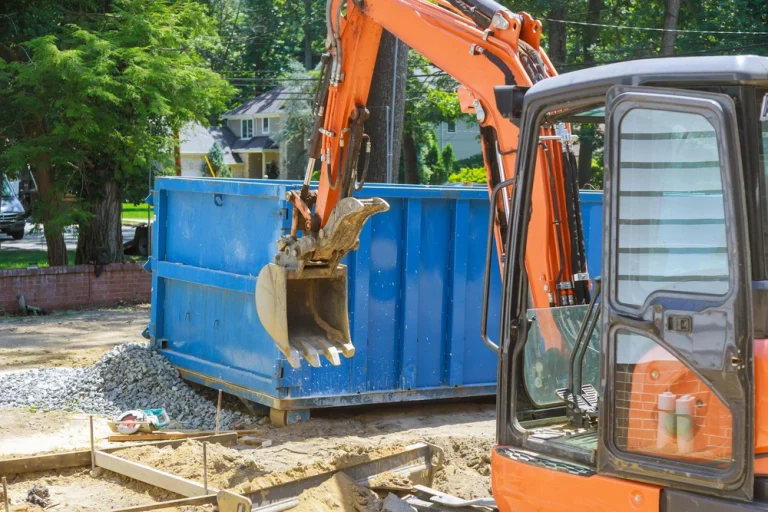
- Renting a roll-off dumpster aids in efficient waste disposal.
- Eco-friendly practices enhance environmental sustainability.

Establishing a Cleaning Protocol
Creating an effective cleaning protocol for a manufacturing plant involves defining clear objectives and schedules, and selecting the right cleaning supplies to ensure safety and efficiency.Defining Objectives and Schedules
Setting precise objectives and a robust schedule is crucial for maintaining the cleanliness and safety of your manufacturing plant. Regular safety training sessions should be conducted to familiarize staff with potential hazards in the industrial space. Establish clear goals for various cleaning tasks, ranging from routine housekeeping to specialized equipment maintenance.Developing a detailed cleaning schedule helps to ensure that all areas are consistently maintained. Utilize systems for monitoring and tracking cleaning progress, including regular inspections, checklists, or digital tools, to identify areas requiring improvement. Renting a construction dumpster from Waste Removal USA can significantly streamline disposal during major cleanup projects, facilitating better organization and waste management.Choosing Appropriate Cleaning Supplies
Selecting the right cleaning supplies and chemicals is vital for achieving thorough disinfection and minimizing bacteria in the manufacturing plant. Identify specific cleaning agents tailored to different types of equipment and surfaces, ensuring compatibility to avoid damaging sensitive materials. Use disinfectants that meet regulatory standards to ensure compliance and safety.Equip your staff with appropriate protective gear and training to handle chemicals safely. Evaluate the use of eco-friendly products where possible to reduce environmental impact. Maintain an inventory of supplies to avoid shortages and ensure timely replenishment. Choosing top-quality equipment, like industrial vacuums and scrubbers, further enhances the effectiveness of your cleaning protocol, ensuring that your establishment remains both safe and efficient.Safety Measures and Personal Protective Gear
Ensuring a safe environment and proper use of personal protective equipment (PPE) is essential for effective cleanup in manufacturing plants. Follow these measures to minimize risks and improve worker safety.Implementing Safety Protocols
Consistently implementing safety protocols is critical. Begin by developing a culture of safety where all employees are trained on proper procedures and the importance of maintaining a safe workspace. Ensure regular equipment maintenance to prevent malfunctions that could lead to accidents.Organize an efficient first aid response plan, and keep an eye out for potential hazards such as grease spills, tangled cords, or unsecured tools, which can cause slip-and-fall accidents. Using a commercial dumpster rental is advisable for safely managing and disposing of waste materials, keeping walkways clear and reducing trip hazards.Proper Use of PPE
The proper use of PPE is indispensable for any cleanup operation. Make sure all team members are equipped with the appropriate personal protective equipment, such as helmets, gloves, safety glasses, and masks to protect against COVID-19 and other hazards.Train your staff on the correct way to wear and maintain their PPE to maximize effectiveness. Replace any damaged or worn-out gear promptly to ensure continuous protection. Emphasize the importance of PPE to mitigate risks from toxic chemicals, heavy equipment, and other potential hazards in manufacturing plants. Regular inspections and assessments will help identify any gaps in PPE usage or safety measures, ensuring a safer working environment.Handling and Disposal of Hazardous Materials
 Proper management of hazardous materials in a manufacturing facility involves understanding the nature of the substances and having protocols in place for spills. Effective disposal and cleanup practices are essential to maintain safety and comply with regulations.
Managing Toxic Substances and Waste
You must identify and categorize all hazardous chemicals used or produced in your facility. This includes chemicals, gases, and sludges. Use clearly labeled containers and ensure all substances are stored according to safety regulations. When disposing of waste, it is crucial to use appropriate methods that minimize environmental impact and comply with legal standards.Handling hazardous waste often requires the right kind of dumpster rental to ensure safe and efficient disposal. You should segregate various types of waste to prevent dangerous reactions. Regular audits and staff training are essential to maintain adherence to safety protocols. Installing security cameras and smoke/vape sensors also enhances safety by monitoring for unauthorized access and ensuring air quality and proper code of conduct.Protocols for Spill Response
In the event of a chemical spill, immediate action is necessary. Ensure that all staff are familiar with the emergency response plan. This includes evacuating the area and using personal protective equipment. Contain the spill using absorbent materials specifically designed for hazardous substances.Dispose of cleanup materials in designated hazardous waste containers. Contact your environmental health and safety officer for guidance. Ventilating the area and sanitizing equipment to eliminate bacteria and potential hazards is also vital. Always document the incident and review procedures to improve future responses.Following these practices helps ensure your facility remains a safe environment for all employees and complies with regulatory requirements.Maintenance of Equipment and Facilities
Effective maintenance of both equipment and the facilities they occupy is crucial for ensuring an efficient and safe manufacturing environment. This involves routine machinery servicing to avoid breakdowns and maintaining cleanliness throughout the infrastructure.Routine Machinery Servicing
To keep your machinery running smoothly, schedule regular lubrication and inspect for excess oil or grease build-up, which can indicate potential issues. Check seals for leaks, and clean or replace filters to ensure machinery operates efficiently.A proactive approach includes addressing common wear and tear before they evolve into significant problems. Implement a maintenance log to track servicing schedules, part replacements, and any anomalies noted during inspections. This helps in anticipating future maintenance needs and avoiding costly downtime.Infrastructure Cleanliness
Maintaining spotless floors, windows, and storage spaces is essential for a safe working environment. Start by keeping workspaces organized and free of clutter, which helps reduce trip hazards and improve productivity. Utilize industrial-grade cleaning solutions suitable for your specific facility needs to ensure thorough sanitation.Using a local dumpster rental can aid in efficiently managing waste and debris during routine clean-ups. Ensure that all cleaning chemicals are properly labeled and stored safely to avoid accidents or contamination.Regularly review and improve your cleaning protocols, train staff on proper cleaning techniques, and conduct scheduled deep-cleaning sessions to maintain high standards of factory cleanliness.Enhancing Environmental Sustainability
 Incorporating environmental sustainability into manufacturing plant cleanup can significantly reduce harmful emissions and increase energy efficiency. This approach not only meets environmental regulations but also supports clean manufacturing processes.