1) Plan for zoning approval early
 Navigating zoning regulations is a critical step in mixed-use development projects. Many municipalities enforce strict zoning codes that can significantly impact your project. Engaging with local authorities early can help streamline the process and facilitate necessary changes for your development.
Start by researching the zoning laws specific to your project’s location. Understanding these regulations helps you anticipate potential challenges and reduces the risk of unexpected delays. Additionally, it can guide initial design plans to align with local requirements.
Collaborating with local authorities and stakeholders from the onset allows for open communication. Seeking input or approval early ensures that any needed zoning adjustments can be addressed promptly. This proactive approach decreases the likelihood of obstacles during the later stages of development.
Engage experienced professionals familiar with local zoning practices. Their expertise can be invaluable in navigating complex regulations and expediting the approval process, ultimately saving time and resources.
Navigating zoning regulations is a critical step in mixed-use development projects. Many municipalities enforce strict zoning codes that can significantly impact your project. Engaging with local authorities early can help streamline the process and facilitate necessary changes for your development.
Start by researching the zoning laws specific to your project’s location. Understanding these regulations helps you anticipate potential challenges and reduces the risk of unexpected delays. Additionally, it can guide initial design plans to align with local requirements.
Collaborating with local authorities and stakeholders from the onset allows for open communication. Seeking input or approval early ensures that any needed zoning adjustments can be addressed promptly. This proactive approach decreases the likelihood of obstacles during the later stages of development.
Engage experienced professionals familiar with local zoning practices. Their expertise can be invaluable in navigating complex regulations and expediting the approval process, ultimately saving time and resources.
2) Integrate Sustainable Materials
Using sustainable materials in your mixed-use developments offers numerous advantages. These materials help reduce environmental impact and can improve energy efficiency. For example, Ferrock, a material made from recycled steel dust, absorbs carbon dioxide during its formation, making it a sustainable option. Consider utilizing materials like clay, which is not only affordable but also recyclable, contributing to a sustainable building process. Implementing eco-friendly materials can also appeal to environmentally conscious consumers and investors. Opt for high-performance materials that offer durability and require minimal maintenance. This approach can lower costs over time and ensure the longevity of your development. Integrating sustainable materials supports a green future and aligns your projects with modern sustainability goals.3) Design flexible floor plans
Flexible floor plans are crucial in mixed-use developments to accommodate a range of residential and commercial needs. You should consider creating adaptable spaces that can be easily modified as tenant requirements evolve. This approach ensures that the development remains functional and attractive over time. Incorporating open spaces can help foster a modern, collaborative environment. These spaces can be adapted into meeting areas, communal lounges, or additional retail sections as needed. Modular design elements, such as movable walls, further enhance this flexibility. Mixed-use buildings must also anticipate technological advancements and changing lifestyle needs. You might introduce smart building technologies or energy-efficient systems, which can adapt to future innovations without major disruptions. By prioritizing flexible floor plans, you ensure that your development remains relevant and sustainable in a dynamic market.4) Prioritize Pedestrian Access
 In mixed-use developments, ensuring pedestrian access is fundamental for creating vibrant, livable environments. You should consider designing wide and accessible sidewalks that cater to all age groups and abilities. Providing safe and well-lit crosswalks is crucial for enhancing pedestrian safety and encouraging foot traffic.
Integrating pedestrian pathways with public spaces and amenities can greatly enhance the appeal of these developments. For example, you might consider using pedestrian-oriented design to connect housing, parks, and commercial areas. This approach not only makes communities more walkable but also fosters a sense of community interaction.
Incorporating green spaces along pedestrian routes can provide both aesthetic and health benefits. Features like trees, planters, and benches are small details that contribute significantly to a pedestrian-friendly atmosphere. Thoughtfully designed pathways can transform the way individuals experience your development, making it both functional and inviting.
In mixed-use developments, ensuring pedestrian access is fundamental for creating vibrant, livable environments. You should consider designing wide and accessible sidewalks that cater to all age groups and abilities. Providing safe and well-lit crosswalks is crucial for enhancing pedestrian safety and encouraging foot traffic.
Integrating pedestrian pathways with public spaces and amenities can greatly enhance the appeal of these developments. For example, you might consider using pedestrian-oriented design to connect housing, parks, and commercial areas. This approach not only makes communities more walkable but also fosters a sense of community interaction.
Incorporating green spaces along pedestrian routes can provide both aesthetic and health benefits. Features like trees, planters, and benches are small details that contribute significantly to a pedestrian-friendly atmosphere. Thoughtfully designed pathways can transform the way individuals experience your development, making it both functional and inviting.
5) Incorporate public spaces
Incorporating public spaces into mixed-use developments can enhance community engagement and vitality. These spaces encourage social interactions and foster a sense of community among residents and visitors. When designing public spaces, focus on accessibility and inclusivity. Ensure these areas are easy to access and accommodate diverse activities. Providing seating, greenery, and open areas can make them more inviting for people to gather and relax. Public spaces in mixed-use developments should also support local businesses. Consider integrating features like kiosks or temporary stalls where local vendors can operate. This not only supports the local economy but also attracts more foot traffic to the development. Another important consideration is safety. Well-lit and monitored public areas can create a secure environment, encouraging more people to use the space throughout the day. This can significantly benefit both the residential and commercial elements of the development.6) Optimize parking solutions
Effective parking solutions are crucial for the success of mixed-use developments. Shared parking is a popular strategy where multiple users share the same parking spaces, maximizing utilization rates and reducing costs. This approach is effective in areas with complementary peak usage times, like offices and residential spaces. Another helpful tactic is integrating smart parking technology. By using sensors and mobile applications, you can provide real-time information about available spaces. This not only improves user experience but also optimizes traffic flow within the development. Additionally, consider offering diverse payment methods to accommodate all users. An integrated suite of payment solutions can cater to different consumer preferences, making it easier for visitors to access parking facilities. Implementing flexible permits or validation codes can further enhance parking efficiency. For more strategies on parking management, explore this article.7) Install advanced security systems
 When working on mixed-use developments, integrating advanced security systems is crucial. These systems protect residential, commercial, and recreational spaces, enhancing safety and peace of mind. Implementing smart security solutions ensures better protection for occupants and assets.
Consider systems with facial recognition, biometric access, and AI-driven surveillance. These technologies improve monitoring and control access efficiently. They’re effective in large developments where traditional systems might fall short.
Prioritize the installation of comprehensive security measures such as sensors and alarms. These alert you to potential threats while deterring unauthorized activities. Incorporating advanced features helps adapt to varying security needs in mixed-use environments.
Use systems that offer remote monitoring capabilities. With these, you can oversee security from anywhere, making management easier. Remote access adds flexibility for property managers handling multiple areas within a development.
For more on enhancing security in mixed-use projects, check out Smart Technologies for Mixed-Use Developments.
When working on mixed-use developments, integrating advanced security systems is crucial. These systems protect residential, commercial, and recreational spaces, enhancing safety and peace of mind. Implementing smart security solutions ensures better protection for occupants and assets.
Consider systems with facial recognition, biometric access, and AI-driven surveillance. These technologies improve monitoring and control access efficiently. They’re effective in large developments where traditional systems might fall short.
Prioritize the installation of comprehensive security measures such as sensors and alarms. These alert you to potential threats while deterring unauthorized activities. Incorporating advanced features helps adapt to varying security needs in mixed-use environments.
Use systems that offer remote monitoring capabilities. With these, you can oversee security from anywhere, making management easier. Remote access adds flexibility for property managers handling multiple areas within a development.
For more on enhancing security in mixed-use projects, check out Smart Technologies for Mixed-Use Developments.
8) Get a Commercial Dumpster Rental
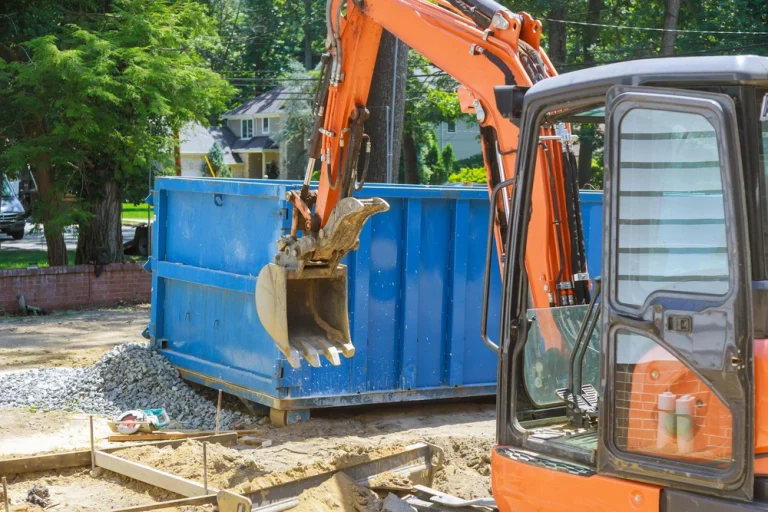
Efficient waste management is crucial in mixed-use developments. Renting a commercial dumpster can streamline this process, saving you both time and energy. Assess the volume and type of waste your project will generate. This helps in choosing the right dumpster size, from smaller options for minor projects to larger ones for extensive waste production. Consider providers like Waste Removal USA for budget-friendly rates. They offer numerous size options to suit your needs. Optimize your rental by scheduling pickups to prevent overflow and maintain site cleanliness. Finally, communicate with your rental provider to understand fees and regulations. This ensures a smooth transaction, aligning with your project’s timeline and goals.9) Utilize smart building technology
Implementing smart building technology can greatly enhance mixed-use developments. By integrating sensors and IoT devices, you can gather data on foot traffic, energy consumption, and space utilization. This data enables you to optimize the space for both residents and businesses effectively. Smart building systems, like automated lighting and HVAC systems, help improve energy efficiency by adjusting settings based on occupancy and usage patterns. Utilizing green energy solutions also contributes to creating a sustainable and interconnected environment. Incorporating a Building Management System (BMS) acts as the central hub for managing technical systems. It allows for the monitoring and control of essential operations, including air conditioning, ventilation, and lighting, ensuring both comfort and efficiency. By embracing these technologies, you not only enhance the user experience within your development but also foster a sense of community and belonging, making the space more attractive to potential occupants and visitors.10) Ensure sound insulation
 Sound insulation is crucial in mixed-use developments to maintain privacy and comfort. To achieve this, focus on using high-quality materials between different spaces, such as residential and commercial areas. This can help reduce noise transmission from activities in adjacent units.
Implement construction techniques that include barriers to minimize sound leakage. Consider incorporating sound control measures between floors. This might involve using materials with high Sound Transmission Class (STC) ratings.
Assess the noise isolation needs of each development part individually. A tailored approach ensures that each space meets its specific acoustic requirements, ultimately leading to better satisfaction for tenants and users.
Sound insulation is crucial in mixed-use developments to maintain privacy and comfort. To achieve this, focus on using high-quality materials between different spaces, such as residential and commercial areas. This can help reduce noise transmission from activities in adjacent units.
Implement construction techniques that include barriers to minimize sound leakage. Consider incorporating sound control measures between floors. This might involve using materials with high Sound Transmission Class (STC) ratings.
Assess the noise isolation needs of each development part individually. A tailored approach ensures that each space meets its specific acoustic requirements, ultimately leading to better satisfaction for tenants and users.
Understanding Mixed-Use Developments
In mixed-use developments, diverse functions such as residential, commercial, and cultural elements coexist, fostering dynamic ecosystems. These developments offer numerous benefits including improved resource efficiency and enhanced community vibrancy.Definition and Key Characteristics
Mixed-use developments are projects that integrate various land uses—residential, commercial, cultural, and sometimes industrial—within a single area. This blending aims to create a cohesive, vibrant community where different activities complement each other. Typically, these developments offer a higher density of housing options, ranging from apartments to condos, close to workplaces and retail outlets. One key characteristic is walkability, emphasizing pedestrian-friendly environments with access to public transit. These areas often include shared public spaces like parks or plazas, enhancing community interaction. The combination of services and residential spaces provides convenience and accessibility, reducing the need for long commutes or transportation. With an emphasis on efficient land use, these developments are often seen as sustainable alternatives to spread-out suburban neighborhoods.Benefits of Mixed-Use Developments
Mixed-use developments significantly boost the local economy by attracting diverse businesses and increasing foot traffic. They allow for more efficient infrastructure use, leveraging existing roads and public transit to serve more people. Environmentally, they can reduce carbon emissions due to decreased reliance on cars, as amenities and workplaces are within walking distance. Moreover, such developments enhance the quality of life by offering a variety of amenities nearby—such as shops, restaurants, and entertainment options. Socially, they encourage community interaction and inclusivity, as different demographic groups live and work in close proximity. This mixed setting fosters a vibrant, energetic atmosphere, making neighborhoods more attractive to residents and visitors alike.Design Considerations
 When planning a mixed-use development, it’s crucial to navigate the intricacies of harmonizing different types of spaces and integrating eco-friendly elements. These considerations can shape the overall effectiveness and appeal of your project.