Key Takeaways
- Renting a dumpster simplifies moving and decluttering.
- Residential dumpster rentals offer various sizes for different needs.
- Understand costs and rules to ensure a smooth rental process.

Understanding Dumpster Rental Services
When renting a dumpster, it is crucial to consider the type, size, and rental period that suit your needs. Each factor can significantly impact the cost and convenience of the service.Types of Dumpsters for Moving
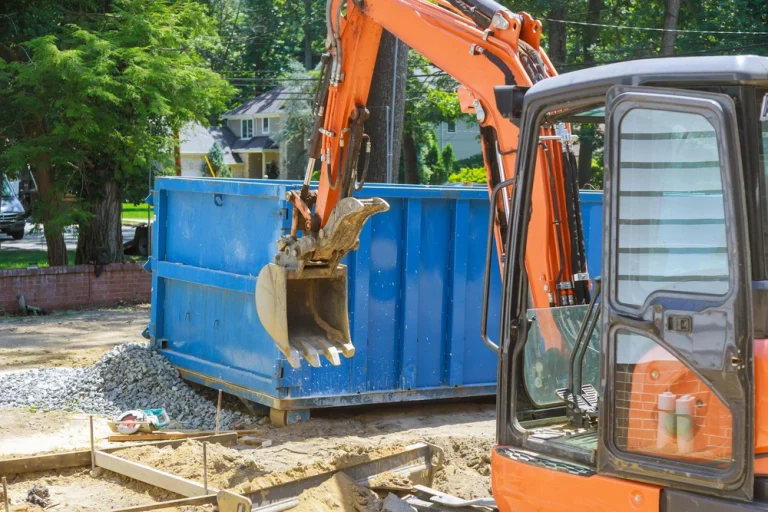
There are various types of dumpsters available for rental, each suited to different needs. The most common is the roll-off dumpster, ideal for large-scale projects like renovations and cleanouts. These have an open top and are delivered by truck, making them easy to load. Residential dumpster service often involves smaller bins, perfect for household projects. These are typically easier to place in tight spots and require less delivery space. Understanding your project requirements will help in selecting the appropriate dumpster type.Determining the Right Size
Choosing the right dumpster size is essential to avoid unnecessary costs. Dumpsters are measured in cubic yards, with common sizes including 10, 20, 30, and 40 yards. A 10-yard dumpster is typically suitable for small cleanouts or minor renovations, while larger sizes like the 40-yard option cater to significant construction jobs. Assess the volume of waste your project might produce. Overestimating can save multiple trips, while underestimating may require additional rentals, which increases overall cost. Checking the likely debris weight is also crucial, as higher weights could incur added fees.Rental Periods Explained
The dumpster rental period can vary significantly, often ranging from a few days to a few weeks. Most rental services offer flexible timelines, allowing you to adjust according to your project’s progress. Discuss your timeline with the rental provider to avoid late fees, which can accumulate if the dumpster is kept longer than the agreed period. Typically, it’s wise to consider potential delays in your project that might require extending the rental period. A clear plan upfront ensures a smoother process and avoids unexpected charges.The Moving Dumpster Rental Process
Renting a dumpster involves several key steps, including selecting the appropriate size, preparing for delivery, and scheduling both the drop-off and pickup. Focusing on these aspects ensures a smooth experience when disposing of your waste.How to Order a Dumpster
When you are ready to rent a dumpster, the first step is deciding on the appropriate size for your needs. Common options include 10-yard, 20-yard, 30-yard, and 40-yard dumpsters. Consider the volume and type of debris you plan to dispose of. After choosing a size, contact a rental service to get a quote. Factors like the dumpster size, rental duration, and location can affect pricing. Some companies offer a simple flat-rate pricing model. Always review the terms and conditions to understand any additional charges, such as those for overfilling or prohibited items.Preparation for Dumpster Delivery
Proper preparation for dumpster delivery involves identifying an appropriate location at your property. This spot should be accessible for the delivery truck and large enough to accommodate the dumpster. Clear any obstacles, such as vehicles or debris, from this area. Consider any local regulations or homeowner association rules regarding the placement of a dumpster on your property. It may also be necessary to acquire a permit depending on your location. Planning ahead to avoid interruptions helps keep everything on schedule, minimizing delays and ensuring a seamless process.Scheduling Delivery and Pickup
Once you have prepared for the delivery, coordinate with the rental company to schedule the drop-off. Specify the date and time that work best for you, keeping in mind that some flexibility might be necessary. Plan the dumpster to arrive well in advance of your project start date. You don’t want to hold up your project while waiting for its arrival. After filling the dumpster, contact the rental service to arrange pickup. Clear communication with them ensures that both the delivery and pickup are timely, avoiding any extra fees for extended rentals.Costs and Pricing Strategies
 When considering moving dumpster rentals, it’s crucial to focus on the costs and pricing strategies to get the best value. Understanding the elements that contribute to dumpster rental prices and the advantages of flat rate pricing can help you make informed decisions.
Understanding Dumpster Rental Prices
Dumpster rental prices are influenced by various factors, including size, rental duration, and location. The size you choose directly affects cost, with larger dumpsters generally incurring higher fees. Additionally, the duration of your rental can impact pricing, as extended rentals often accumulate extra charges. Location plays a significant role as well. Urban areas might have higher prices due to demand and disposal fees. To ensure you get an affordable dumpster rental, consider these elements carefully. You may want to ask providers about any hidden fees or surcharges, as disposal and overage fees can add up quickly and affect the overall cost. Choosing the right-sized dumpster for your specific needs can also prevent unnecessary expenses.Benefits of Flat Rate Pricing
Flat rate pricing offers a straightforward approach to renting dumpsters, helping you avoid unexpected charges. With a flat rate, you pay a single fee that covers delivery, pickup, and disposal, making it easier to budget your expenses. This pricing model can be beneficial if you’re working within a strict budget or need predictable costs. Flat rate pricing provides transparency, allowing you to know exactly what to expect without worrying about additional costs based on weight or disposal fees. It often encourages efficient waste management, as you’ll need to maximize the use of the dumpster within the flat rate’s terms. Choosing flat rate pricing is a great way to ensure your dumpster rental remains affordable and hassle-free.Appropriate Usage and Prohibited Items
When renting a moving dumpster, it’s crucial to be aware of what you can and cannot dispose of. This ensures compliance with local regulations and prevents potential fines. Being mindful of prohibited items and handling hazardous waste with care will lead to a successful and trouble-free rental experience.What Can and Cannot Be Disposed
Moving dumpsters are versatile, but certain items must be kept out. Prohibited items typically include hazardous materials, electronics, and certain appliances. Local regulations may also restrict items like yard waste or liquids. You can usually dispose of typical household junk such as furniture, boxes, and toys. Yard waste may be allowed depending on your location, but always verify with your rental company. For confirmation on specific items, consult your dumpster provider.Special Considerations for Hazardous Waste
Hazardous waste requires special attention to ensure safety and compliance with environmental laws. Items like car batteries, paint, and chemicals should never be placed in a dumpster. These materials can pose significant health and environmental risks. Consider reaching out to local recycling facilities or disposal services for hazardous items needing special handling. Many areas offer dedicated services for safe disposal of electronics or batteries, ensuring they don’t end up in a landfill.Additional Services and Customer Support
 When renting a dumpster, you can access specialized services tailored to different needs and benefit from robust customer support resources. These offerings ensure a more convenient and stress-free experience.