1) Label All Boxes by Room
 When preparing for a move, one of the most effective strategies is to label all boxes by room. This step ensures that each box ends up in the right location during the move. It simplifies the unpacking process and helps you organize your new space efficiently.Use clear, bold markers to write the destination room on each box. Consider including a brief description of the contents as well. This makes it easier to prioritize unpacking essential items first. Clearly labeled boxes save time and reduce the stress of searching for things in multiple boxes.Color coding your labels can also aid movers in quickly identifying where each box belongs. For example, assign kitchen items a green label and bedroom items a blue one. This visual cue can help streamline the moving process and make the transition smoother.
2) Pack an essentials box
When moving into a new house, preparing an essentials box is crucial. This box should contain items you’ll need immediately, avoiding the hassle of searching through packed boxes. Include basic toiletries, a change of clothes, essential medications, and some snacks to make the first days comfortable.Consider having separate essentials boxes for each room. For instance, prepare one for the kitchen with basic utensils and one for the bathroom with towels and soap. This organization method helps you access what you need without disrupting other boxes.For families, children’s essentials might include favorite toys, stuffed animals, and games to keep them entertained and comfortable. Having these ready ensures a smoother transition and helps your children adjust to the new environment.For more ideas on packing an essentials box, read this article. Keeping essentials readily accessible will make your move significantly easier and stress-free.3) Update your address early
Updating your address promptly is crucial when moving into a new house. This ensures that important mail and communications reach you without delay. Start by notifying the U.S. Postal Service to forward your mail. You can choose between a temporary or permanent address change depending on your needs.Remember to inform key institutions about your new address. This includes banks, insurance providers, and the IRS. Use Form 8822 for the IRS to ensure tax documents and refunds reach you without issues.Additionally, updating your address with service providers like utilities and subscriptions helps prevent service interruptions. Don’t forget to update your driver’s license and vehicle registration with your local DMV if you’ve moved to a different state.4) Transfer utilities ahead
 Transferring utilities before your move is essential to ensure a smooth transition into your new home. Start planning the transfer process at least three weeks ahead to avoid last-minute complications. Create a comprehensive list of all necessary utilities, such as electricity, water, gas, and internet services.Reach out to each utility provider to notify them of your move and schedule service transfers or new connections. This step is crucial, especially during peak moving seasons, which may cause delays. Make sure to provide them with your move-in date and new address to coordinate the changes accurately.Consider scheduling a technician for a home energy audit in your new home to identify areas needing improvement, such as insulation or ductwork, as suggested by Moving.com. This helps ensure your new residence is energy-efficient from day one. Planning early and thoroughly can save you from unnecessary stress and disruptions.
5) Inspect the new home thoroughly
Before settling into your new home, it’s essential to conduct a thorough inspection. Check all cabinets and drawers by opening and closing them to ensure they work smoothly. Examine kitchen surfaces, including countertops and floors, for any cracks or imperfections. It’s important to address these issues early to avoid future complications.Don’t overlook the plumbing fixtures. Test faucets and showerheads for proper water pressure and leaks. Run the garbage disposal to confirm it operates effectively. These small checks can save you from inconvenient repairs later on.Look for signs of pest entry. Inspect window frames, door thresholds, and any gaps around utility pipes. Identifying and sealing entry points can prevent infestations, saving you from potential pest problems. If you spot issues during your inspection, such as pest entry points, it’s advisable to consult a professional for repairs. Attention to detail will give you peace of mind as you settle into your new space.6) Rent a Dumpster for Unwanted Items and Trash
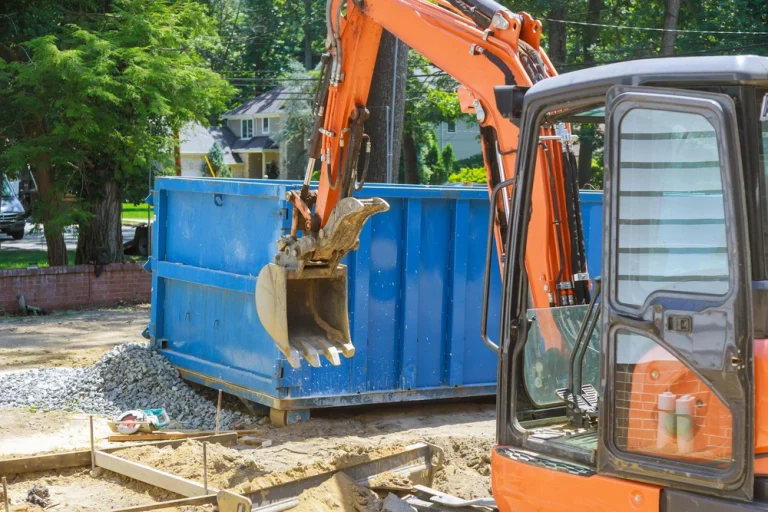
Renting a dumpster can significantly streamline your moving process. It allows you to easily dispose of unwanted items and trash. Many people underestimate the amount of waste generated during a move, and having a home dumpster on-site makes it convenient to manage this waste efficiently.A local roll-off dumpster can accommodate various types of debris, from household junk to yard waste. You can eliminate the hassle of multiple trips to the dump. This becomes particularly useful if you’re doing a major clean-out, renovation, or downsizing.Companies like Waste Removal USA offer dumpsters that can hold a large volume of trash, letting you focus on the move itself. Rental periods vary, often providing plenty of time to sort through your belongings without feeling rushed. Before renting, verify what items are prohibited to ensure a smooth waste disposal process.7) Hire a reputable moving company
 Ensuring a smooth move starts with hiring a reputable moving company. Look for companies that have a physical address listed and registered under a business name, not a residential one.Ask questions about their services, pricing, and any additional fees that may arise. A good company representative should be informative and listen to your concerns.Check reviews and ratings on platforms like ConsumerAffairs for feedback on movers’ professionalism and reliability. An example of a good moving company is The Professional Moving Specialists out of Chicago. If you’re in the Windy City area, they are highly rated and offer a great option for your move.Remember to confirm that the company is licensed and insured for extra peace of mind. Reliable movers can help make your transition to your new home as hassle-free as possible.
Preparing Financially for Your Move
When moving into a new house, financial preparation is crucial to avoid stress and unexpected expenses. By creating a comprehensive moving budget and being aware of hidden costs, you can better manage your finances during this transition.Creating a Moving Budget
Starting your move with a clear budget helps prevent financial surprises. List all anticipated expenses, such as hiring movers, packing supplies, and transportation costs. Consider additional items like temporary storage if required. Use a spreadsheet or budgeting app to track these expenses, providing a detailed view of where your money will go.Don’t forget to set aside a contingency fund for emergencies or unexpected costs that might arise during the move. Items that could require last-minute spending include repairs, new utility setups, or buying essential items for your new home. Planning with these areas in focus ensures you stay within your financial limits.Understanding Hidden Costs
Beyond the obvious expenses, hidden costs can catch you off guard. Be mindful of charges like utility connection fees, potential repairs in your new place, and cleaning services for your old residence. Consider travel expenses if your new home is far away, including gas, accommodation, or flights.Insurance fees should also be accounted for, whether it’s coverage for moving materials or adjusting your current policies. Be proactive by researching these areas and seeking information from previous homeowners or real estate agents. Understanding these elements not only helps avoid surprise expenses but also ensures a smoother transition to your new home.Setting Up Utilities and Services
 Setting up utilities and services is a crucial task during a move. Coordinating with utility providers and scheduling installations ensures a smooth transition into your new home.