Key Takeaways:
- A well-planned office remodel can significantly boost employee productivity, satisfaction, and overall company performance.
- Thorough planning, including setting clear goals, establishing a realistic budget, and creating a detailed timeline, is crucial for a successful office renovation project.
- Incorporating modern design trends, such as flexible workspaces, biophilic elements, and technology integration, can help create a more efficient and appealing work environment.

The Benefits of Office Remodels
Undertaking an office remodel can yield numerous benefits for your business, employees, and clients. Here are some of the most significant advantages:- Increased Productivity: A well-designed office space can enhance workflow efficiency, minimize distractions, and create an environment that fosters creativity and collaboration. By optimizing the layout and incorporating ergonomic furniture, you can help your employees work more comfortably and efficiently.
- Improved Employee Satisfaction: A fresh, modern workspace can boost morale and create a sense of pride among your team members. When employees feel valued and comfortable in their work environment, they’re more likely to stay with the company long-term, reducing turnover rates.
- Enhanced Brand Image: Your office space is a reflection of your company’s values and culture. A thoughtfully designed office can impress clients, partners, and potential hires, reinforcing your brand identity and professionalism.
- Better Space Utilization: An office remodel allows you to reassess your current space usage and make more efficient use of the available square footage. This can help accommodate growth, create new functional areas, or even downsize if needed.
- Energy Efficiency: Incorporating modern, energy-efficient systems and materials during a remodel can lead to significant cost savings on utilities and reduce your company’s environmental footprint.
- Compliance and Safety: Updating your office space provides an opportunity to ensure compliance with current building codes, safety regulations, and accessibility standards.
Planning Your Office Remodel
A successful office remodel starts with careful planning. Here are the key steps to consider when preparing for your renovation project:- Define Your Goals: Clearly outline what you hope to achieve with your office remodel. Are you looking to accommodate growth, improve workflow, or create a more modern aesthetic? Having well-defined objectives will guide your decision-making throughout the process.
- Assess Your Current Space: Conduct a thorough evaluation of your existing office layout, identifying areas that work well and those that need improvement. Consider factors such as traffic flow, noise levels, and natural light.
- Gather Input: Involve your employees in the planning process by soliciting their feedback and ideas. They can provide valuable insights into their daily work needs and preferences.
- Set a Realistic Budget: Determine how much you’re willing to invest in the remodel and allocate funds for different aspects of the project, such as design, construction, furniture, and technology.
- Create a Timeline: Develop a detailed project schedule, factoring in lead times for materials, construction phases, and potential disruptions to your business operations.
- Hire Professionals: Engage the services of experienced architects, designers, and contractors who specialize in commercial office renovations. Their expertise can help you avoid costly mistakes and ensure a smoother remodeling process.
Design Trends in Modern Office Remodels
 To create a truly inspiring and functional workspace, consider incorporating these popular design trends into your office remodel:
- Open Floor Plans: While completely open offices have faced criticism in recent years, a balanced approach that combines open areas with private spaces can promote collaboration while still providing quieter zones for focused work.
- Flexible Workspaces: Design adaptable areas that can be easily reconfigured for different purposes, such as movable partitions, modular furniture, and multifunctional rooms.
- Biophilic Design: Incorporate natural elements like plants, natural light, and organic materials to create a more calming and health-promoting environment.
- Technology Integration: Ensure your office is equipped with the latest technology infrastructure, including high-speed internet, wireless charging stations, and smart building systems.
- Wellness-Focused Amenities: Include features that promote employee well-being, such as standing desks, fitness areas, meditation rooms, or outdoor workspaces.
- Collaborative Zones: Design dedicated spaces for team meetings, brainstorming sessions, and informal gatherings to foster creativity and teamwork.
- Brand-Centric Design: Incorporate your company’s branding elements, colors, and values into the office design to reinforce your corporate identity.
- Sustainable Materials: Choose eco-friendly materials and finishes to reduce your environmental impact and create a healthier workspace.
Executing Your Office Remodel
Once you’ve completed the planning phase, it’s time to bring your vision to life. Here are some key considerations for executing your office remodel:- Communicate with Stakeholders: Keep your employees, clients, and partners informed about the renovation timeline, potential disruptions, and expected outcomes.
- Develop a Phased Approach: If possible, break the remodel into phases to minimize disruptions to your daily operations. This may involve renovating one section of the office at a time or working during off-hours.
- Establish a Temporary Workspace: If necessary, set up a temporary office space or implement remote work arrangements during the renovation period.
- Manage the Construction Process: Work closely with your contractors to ensure the project stays on schedule and within budget. Regular site visits and progress meetings can help address any issues promptly.
- Be Prepared for Unexpected Challenges: Build some flexibility into your timeline and budget to account for unforeseen obstacles or changes in scope.
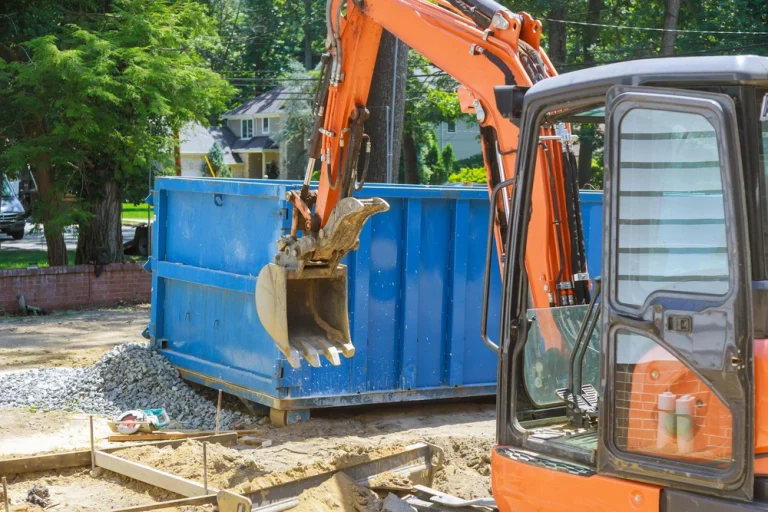
- Consider Waste Management: Using a commercial dumpster rental is a great way to manage waste during an office remodeling project. This can help keep the construction site clean and organized while ensuring proper disposal of materials.
- Focus on Quality: Don’t compromise on the quality of materials and workmanship to save costs. Investing in durable, high-quality finishes and furniture can save money in the long run by reducing the need for frequent replacements or repairs.
- Plan for IT Infrastructure: Coordinate with your IT department or service provider to ensure all necessary technology infrastructure is properly installed and tested before the remodel is complete.
Post-Renovation Considerations
 Once your office remodel is complete, there are several important steps to take to ensure a smooth transition:
- Conduct a Thorough Inspection: Before moving back into the renovated space, carefully inspect all areas to ensure everything has been completed to your satisfaction and meets safety standards.
- Update Emergency Procedures: Review and update your emergency evacuation plans and safety procedures to reflect any changes in the office layout.
- Provide Employee Training: Offer orientation sessions to familiarize your team with new features, technology, and any changes in office protocols.
- Gather Feedback: Solicit input from employees after they’ve had time to settle into the new space. This feedback can help you make any necessary adjustments and inform future renovation projects.
- Celebrate the New Space: Host an office reopening event to boost morale and showcase the new environment to employees, clients, and partners.
- Implement a Maintenance Plan: Develop a comprehensive maintenance schedule to keep your newly renovated office in top condition and protect your investment.
Measuring the Success of Your Office Remodel
To determine the effectiveness of your office remodel, consider tracking the following metrics:- Employee Satisfaction: Conduct surveys to gauge how employees feel about the new workspace and its impact on their work experience.
- Productivity Metrics: Monitor key performance indicators to assess whether the remodel has led to improved efficiency and output.
- Energy Consumption: Compare utility bills before and after the renovation to evaluate any improvements in energy efficiency.
- Space Utilization: Analyze how effectively the new layout is being used and identify any areas that may need further adjustment.
- Client Feedback: Gather impressions from clients and visitors to understand how the new office space affects your company’s image.
- Retention and Recruitment: Track employee turnover rates and the success of recruitment efforts to see if the improved workspace has a positive impact on talent acquisition and retention.