Key Takeaways
- Use appropriate tools and methods to clear overgrown brush.
- Yard waste dumpster rentals can facilitate easy disposal.
- Chemical herbicides are most effective during Spring and Fall.

Understanding Overgrown Brush
This section will cover what constitutes overgrown brush and how to identify the specific types of vegetation that contribute to it. Understanding these aspects is critical for effective land management and maintaining the health of your property.Defining Brush and Overgrowth
Brush refers to dense vegetation made up of shrubs, small trees, vines, and other undergrowth that can quickly take over an area. Overgrowth occurs when these plants grow uncontrollably, often leading to a tangled and unsightly mess. Overgrowth can pose various risks, including increased fire hazards and damage to existing plants. Clearing such areas helps maintain a safer and more attractive environment. Understanding what constitutes brush and overgrowth is essential for managing your land effectively.Identifying Common Types of Overgrowth
Identifying the types of overgrowth in your area is crucial for effective brush clearing. Common overgrowth includes weeds, shrubs, woody brush, and brambles. These plants can choke out desirable vegetation, leading to a less healthy ecosystem. Weeds and vines often grow rapidly, while shrubs and small trees can develop into substantial barriers. Invasive species like kudzu or Japanese knotweed contribute significantly to overgrown brush. Knowing the specific types of brush in your area helps you choose the right tools and techniques for clearing it. This ensures that your efforts are effective, reducing the recurrence of overgrowth and building a healthier, more aesthetically pleasing space.Preparation for Clearing
Thorough preparation is crucial for efficiently clearing overgrown brush. This stage involves assessing your property, gathering the necessary equipment, and adhering to essential safety measures.Assessing Your Property
Evaluate your yard carefully to determine the extent of overgrown land that needs clearing. Identify the types of vegetation present, such as thorny bushes, poison ivy, and large trees. Note any obstacles like rocks, stumps, or hidden debris that could interfere with the cleaning process. Establishing these details helps plan the sequence of clearing tasks, ensuring work progresses smoothly and safely. Consulting local regulations is also wise, as sometimes a permit is needed for extensive land clearing projects.Gathering Necessary Equipment
The right tools make a significant difference when dealing with overgrown brush. Essential equipment includes a string trimmer, brush mower, and a chainsaw for larger trees and thick brush. Additional tools like pruning shears and a bow saw can handle smaller plants and branches. Ensure you have heavy-duty garbage bags or a waste removal plan to manage debris properly. If your property contains large trees or challenging terrain, consider renting specialized machinery or hiring professional help to handle the job efficiently.Safety Precautions and Gear
Prioritizing safety is essential while clearing overgrown land. Wear protective gear such as gloves, safety goggles, and a helmet to shield against flying debris and sharp objects. A long-sleeved shirt and sturdy boots protect your arms and feet from scratches and insect bites. Clear the area of children and pets before starting, and inform someone about your plans in case of emergencies. Taking regular breaks to stay hydrated and avoiding fatigue also helps maintain a safe working environment.Mechanical Removal Techniques
 Removing overgrown brush using mechanical methods involves using a variety of tools designed for efficiency and precision. You can utilize hand tools, power equipment, and heavy machinery to clear different types of overgrowth effectively.
Using Hand Tools
Hand tools are essential for smaller, more manageable areas. Axes and machetes allow you to cut through thick brush and vines. These tools provide a controlled method of clearing but require physical strength and stamina. A chain or rope can be useful to drag larger clumps of brush to a centralized pile. String trimmers are effective for cutting down tall grass and weeds, but they might struggle with thicker stems. Using hand tools is ideal for detailed work around obstacles or in confined spaces.Operating Power Equipment
Power equipment significantly increases your efficiency in clearing brush. A chainsaw quickly fells larger trees and branches, while a brush cutter serves well for thick, woody plants. String trimmers can also be powered, adding endurance to your clearing tasks. A brush mower, especially a walk-behind or self-propelled model, covers larger areas efficiently. These mowers handle tall, thick grass and light brush, offering more cutting power than standard lawnmowers. Choose power equipment when dealing with medium to large areas that require more force and speed.Heavy Machinery for Land Clearing
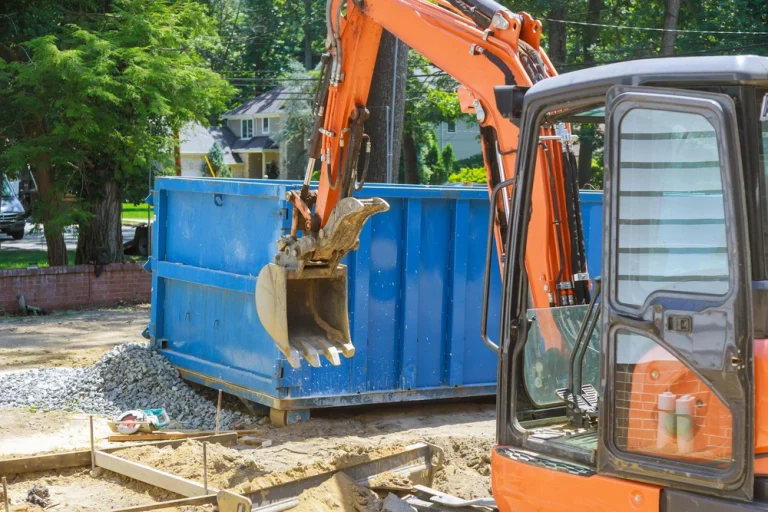
For large-scale brush removal, heavy machinery is indispensable. A bulldozer can clear vast areas by knocking down trees and large vegetation. Tractors equipped with tow-behind attachments such as a brush hog can mow down wide expanses of overgrowth. A stump grinder helps remove tree stumps and root systems effectively. For the most stubborn areas, a self-propelled or walk-behind brush mower tackles overgrowth that other machinery can’t reach. Heavy machinery is best for extensive projects where time and labor efficiency are crucial. Using a mix of these tools provides flexibility and capability for any land clearing task you encounter.Manual Clearing Methods
Clearing overgrown brush manually involves using various tools and techniques to cut, trim, and remove unwanted vegetation. In this section, you will find methods that include the use of pruning and trimming tools, as well as digging and uprooting techniques to ensure effective brush removal.Pruning and Trimming
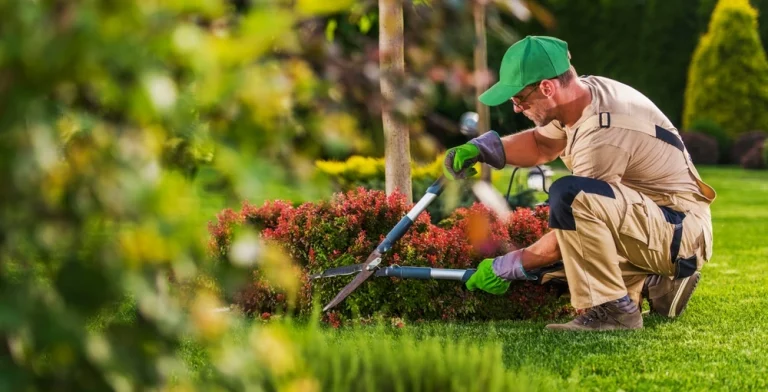
Trimming and pruning are essential when you need precise control over the removal of underbrush and small branches. Pruning shears are handy for cutting through thin stems and vines. For thicker branches, loppers or a pruning saw can be more effective. Use a brush grubber for gripping and pulling out small saplings or shrubs. This tool can be attached to a handle for better leverage. Trimming back overgrown areas with hedge trimmers can help manage large sections quickly. Remember to wear safety gloves and protective eyewear to avoid injuries from thorns or sharp branches.Digging and Uprooting
When you need to remove roots or stumps, digging and uprooting come into play. A shovel is fundamental for digging around the base of plants to expose their roots. For more stubborn roots or small stumps, a mattock, which combines a pick and an adze, can be more effective. Brush grubbers can also assist in uprooting small trees by providing a tight grip on the trunk. Use spikes or steel-toed boots to give yourself better footing and leverage when pulling out roots. A rake can be used to gather loose debris and smaller roots that have been dug up. Both safety and the right tools are crucial to making these manual methods effective. Wear sturdy boots and use proper lifting techniques to minimize strain on your body.Chemical Control Strategies
 Addressing overgrown brush with chemical control strategies requires understanding the appropriate herbicides and their application methods. This ensures effective reduction of unwanted vegetation and maintains the health of the desired plants and soil.
Selection and Application of Herbicides
When selecting herbicides, consider both the type of brush and the growth stage. For instance, glyphosate is a nonselective herbicide effective against mature plants but must be used cautiously to avoid damaging desired vegetation. For brush with stems greater than 1 inch, triclopyr is optimal. Applying this through basal bark or cut stump techniques ensures effective absorption and long-term effectiveness. Timing is crucial. Spring and fall are generally ideal for heavy brush control. Adjust the sprayer nozzle to ensure even coverage, targeting all sides of the brush while avoiding excessive runoff that can affect other plants. Selecting the right herbicide and meticulous application methods can significantly enhance the management of overgrown brush. Visit the Heavy Brush Killer guide for more detailed strategies.Dealing with Large Growth
To handle overgrown areas with larger trees and stumps, you need specific tools and a systematic approach. Effective removal requires using chainsaws for cutting and stump grinders for addressing root issues to clear the land efficiently.Removing Larger Trees and Shrubs
Removing larger trees typically involves using a chainsaw. Start by assessing the tree’s size and stability. Clear the area around the tree to ensure safe working conditions. Cut smaller branches first, then proceed to the main trunk. It is crucial to wear protective gear, including gloves, goggles, and ear protection. When dealing with large shrubs, use similar techniques. A brush cutter or tree shear can make this task easier and faster. For trees that are too large for a chainsaw, consider hiring a professional tree removal service. Additionally, always be mindful of the tree’s direction of fall to prevent damage to nearby structures, such as a shed or truck.Grinding Stumps and Roots
After felling larger trees, the remaining stumps and roots can pose a significant challenge. A stump grinder is the tool of choice for this task. Begin by positioning the grinder over the stump and lowering it onto the wood. Move the grinder back and forth systematically to grind down the stump. For effective root removal, make multiple passes over the area. This method ensures that all parts of the stump and its roots are thoroughly ground down to below ground level. Removing large stumps and roots prevents regrowth and makes the land easier to use for future landscaping or construction projects. Always ensure to follow safety protocols when operating a stump grinder to avoid injuries.Cleanup and Disposal
 Effectively managing the debris generated from clearing overgrown brush is essential. Consider various methods for disposing of waste material in an eco-friendly way to minimize environmental impact.