Key Takeaways
- Efficient waste management is essential for cost-effective and safe patio renovations.
- Proper planning includes assessing waste types and disposal methods for easy execution.
- Implementing eco-friendly disposal and recycling practices benefits the environment.

Understanding Efficient Waste Management
Efficient waste management for your patio renovation involves a strategic approach to reducing waste, utilizing eco-friendly disposal, and implementing segregation and recycling practices to promote sustainability and adhere to regulations.Principles of Waste Reduction
The first step in reducing waste during your patio renovation is to apply the reduce, reuse, and recycle approach. Reduce the amount of materials you need by accurately measuring and ordering to avoid surplus. When possible, reuse materials such as bricks or stone pavers, either in other parts of your garden or by donating to others. Lastly, aim to recycle materials like wood, glass, or metal. Developing a waste management strategy at the beginning of your project can help in identifying opportunities for reduction and reuse, ultimately leading to less waste being produced.Eco-Friendly Disposal Techniques
Eco-friendly disposal is a key component of responsible waste management. This involves choosing disposal methods that have the least environmental impact. For biodegradable waste such as organic material, consider composting, which turns waste into valuable fertilizer for future landscaping projects. For non-biodegradable waste, research local regulations to ensure you’re following the proper guidelines. Some materials may require special disposal methods to prevent harm to the environment.Waste Segregation and Recycling
Segregating your waste is vital to efficient recycling and plays a crucial role in sustainable practices. Separate your waste into categories: biodegradable, non-biodegradable, and hazardous. Clear labeling and the use of different containers can make this process more straightforward. Recycling is one of the most practical approaches to waste management—by recycling materials, you contribute to the circular economy, lowering the demand for new resources and reducing the amount of waste sent to landfills. Check with local services for construction waste recycling options and remember that recycling not only includes materials but also packaging and debris.Planning Your Patio Renovation
Renovating your patio involves meticulous planning to ensure that materials are sustainable, waste management is efficient, and any hazardous materials are handled properly.Selecting Sustainable Materials
Choosing sustainable materials for your patio renovation is not only environmentally responsible but also beneficial for long-term maintenance and adaptability to the climate. Select wood that is certified by the Forest Stewardship Council (FSC) or composites that are known for their durability and ease of maintenance. Concrete can provide a sustainable base for your patio with proper sealants to extend its lifespan. When considering insulation options or landscaping, seek out resources with a low environmental impact that support your local regulations.- Windows: Energy-efficient windows reduce the need for frequent maintenance and help control the climate in enclosed patio spaces.
- Paint: Look for paints labeled low-VOC to minimize your project’s environmental footprint.
Estimating Waste and Dumpster Size
Before beginning your home renovation project, estimate the volume of debris that will be generated and determine the appropriate dumpster size. For example:- Drywall and wood: Calculate the square footage of material to be disposed of and use waste management guidelines to select the right dumpster.
- Concrete: Removal often requires larger, specialized containers due to its weight and volume.
Hazardous Materials Management
When renovating, you may encounter hazardous materials like lead-based paint or asbestos, particularly in older homes. Proper handling of these materials is crucial for a successful renovation:- Identification: Work with a professional to identify potential hazards.
- Removal: Follow local regulations and hire certified professionals for safe removal.
- Disposal: Ensure hazardous waste is disposed of in accordance with state and federal guidelines to avoid penalties and ensure community safety.
Executing the Waste Management Plan
When renovating your patio, a systematic approach to disposing of the waste material ensures that the area remains clean and safe. Proper execution of your waste management plan involves selecting the appropriate dumpster rental services, understanding the safety protocols for debris handling, and potentially engaging professional support.Effective Use of Dumpster Rental Services
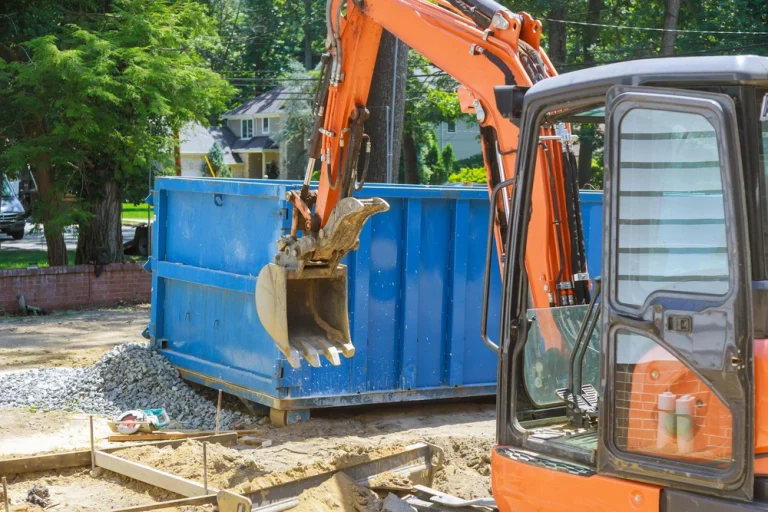
To ensure efficient disposal of renovation waste, choosing the right dumpster rental service is crucial. You’ll want to:- Assess the volume of waste to select the right dumpster size.
- Confirm with the rental company what types of waste are allowed.
- Schedule drop-off and pick-up timings to keep the renovation site organized.
| Dumpster Size | Type of Renovation Waste | Appropriate For |
|---|---|---|
| 10-yard | Dirt, concrete, bricks | Small projects |
| 20-yard | Mixed debris | Medium projects |
| 30-yard | Construction materials | Large projects |
Safe Handling of Renovation Debris
Safety is paramount when handling renovation debris. Always:- Wear proper safety gear including gloves and glasses.
- Learn proper lifting techniques to prevent injury.
- Segregate hazardous waste according to local compliance guidelines.
Professional Waste Management Support
For some aspects of your patio renovation, it’s best to rely on professionals for waste management support. They ensure:- Compliance with local regulations.
- Safe removal of hazardous waste.
- Advice on best practices for waste minimization.
Eco-Friendly Renovation Techniques
 Embarking on an eco-friendly patio renovation, your focus on reducing energy consumption and reusing materials not only conserves resources but also aligns with sustainable living principles.
Incorporating Energy-Efficient Solutions
Your patio renovation can achieve greater energy efficiency by installing solar panels. These panels harness the power of the sun to supply clean energy, minimizing reliance on fossil fuels. For lighting and appliances, opt for energy-efficient models that consume less power and reduce electricity bills. Integrating a smart home system can further optimize energy use by automating controls based on your habits and preferences.Incorporating rainwater harvesting systems makes for an innovative approach to eco-friendliness. This system collects rainwater for your garden’s irrigation needs, lessening the demand on municipal water supply and lowering your water bill.Repurposing and Donating Usable Materials
As you dismantle parts of the patio, identify usable materials that can be repurposed for the renovation. Reclaimed wood can be given new life as decking or furniture, embodying both character and sustainability.Should you find materials that are surplus to your project, consider donating them. Many community projects and non-profits appreciate contributions of gently used fixtures and hardware. By repurposing materials and donating what you cannot use, not only do you divert waste from landfills, but you also assist others in their own sustainable building efforts.Post-Renovation Cleanup and Maintenance
 After renovating your patio, it’s vital to focus on cleanup strategies that minimize environmental impact and establish routines for maintaining your refreshed space. Proper disposal of renovation waste and adopting sustainable practices ensures your patio remains a testament to environmentally responsible renovation efforts.
Ensuring a Sustainably Clean Patio
First, consider the waste materials generated during your home renovation. Segregate the debris for eco-friendly disposal—metals, glass, and certain plastics can often be recycled. Companies like Foreman Pro Cleaning emphasize the importance of a structured approach to post-construction cleaning that includes:- Phase 1: Rough Cleaning Discard large items and sweep up major debris.
- Phase 2: Detailed Cleaning Follow up with thorough dusting and wipe down surfaces.
- Phase 3: Final Cleaning This involves a more meticulous cleaning pass, such as washing windows and floors.
Long-Term Maintenance for Efficiency
For lasting results and to maintain the beauty of your patio, regular maintenance is key. Use these strategies to keep your space functional and appealing:- Routine Cleaning: Schedule weekly sweeping or vacuuming to prevent accumulation of dirt and debris.
- Seasonal Inspections: Check for damages or signs of wear such as cracks or peeling paint and address them promptly.
- Protective Measures: Use sealants or covers to protect your patio from weather damage.