Key Takeaways
- Clearing junk from your home enhances living spaces and functionality.
- Dumpster rental is a cost-effective method for handling large quantities of waste.
- Selecting an appropriate service ensures compliance with environmental guidelines.

Understanding Junk Removal
When clutter overwhelms your space, knowing how junk removal works is the first step to reclaiming your home. This service is not just about disposing of unwanted items but also about doing it responsibly and efficiently.Defining Junk Removal
Junk removal is the process of having your unwanted belongings or waste hauled away for disposal, recycling, or donation. Home junk removal services cater to residential spaces, while commercial junk removal is for business-related debris. Whether it’s old furniture, electronic waste, or yard debris, a professional junk removal company is equipped to handle an array of items. The goal is to clear out space effectively, ensuring that licensed and insured teams do the job safely.Benefits of Professional Junk Removal
- Reliability and Efficiency: Professional junk removal services are designed to manage waste removal with minimal hassle on your part. They provide swift and orderly clearing, sorting, and disposal of your items.
- Safe and Insured: Removing junk on your own can pose risks, especially with heavy or hazardous materials. Junk removal experts are not only trained to handle these challenges, but their services are typically insured to protect you against any accidents.
- Eco-Friendly Disposal: Professionals make environmentally responsible choices, often recycling or donating items that are still usable.
Identifying Junk Items
When decluttering your home, it’s crucial to categorize items you no longer need or use. Start by separating your belongings into categories such as household items, electronic waste, and construction debris to streamline the junk removal process.Household Items
Identifying household junk is the first step in reclaiming your living space. As you sort through your belongings, consider classifying any furniture that is no longer functional or that you haven’t used in over a year as junk. Tally items such as worn-out sofas, broken chairs, and outdated decor for removal.- Furniture
- Sofas
- Chairs
- Decor items
Electronic Waste
In the digital age, electronic waste, or e-waste, is a growing concern. Your old computers, televisions, and other electronics that are broken or obsolete should be responsibly recycled due to their potential environmental impact. Remember, many components of these devices can be hazardous if not disposed of properly.- Electronics
- Computers and laptops
- Televisions
- Small appliances (e.g., blenders, toasters)
Construction Debris
If you’ve recently remodeled your home or taken on a DIY project, you’ll likely deal with construction debris. This can include anything from scrap metal to larger pieces of unused wood or leftover tiles. Keep in mind that certain elements of construction waste may be recyclable, offering you a more sustainable garbage removal option.- Construction Waste
- Scrap metal
- Wood planks
- Tiles
Removal and Disposal Solutions
 When it comes to clearing out clutter from your home, you have multiple avenues to responsibly dispose of unwanted items. Whether you’re looking to donate and recycle or require larger-scale dumpster rental services, there are efficient solutions available to fit your needs.
Donation and Recycling Options
Donation Centers: Local donation centers are a great way to give your gently used items a second life. Organizations such as Habitat for Humanity accept furniture, appliances, and building materials, ensuring your contributions support community projects.- What to Donate:
- Furniture
- Home appliances
- Building materials
- Common Recyclable Materials:
- Paper and cardboard
- Plastics
- Metals
- Electronics
Dumpster Rental Services
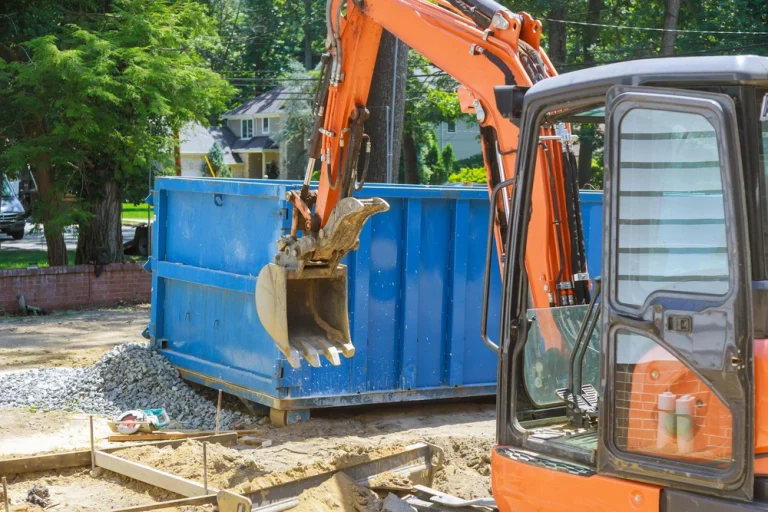
Dumpster Rentals: For larger or more complex jobs, dumpster rental services provide you with a container to collect all your junk at once. This option is ideal for home renovations or extensive clean-outs where you anticipate a significant amount of waste.- Sizes Available:
- Small (10-15 cubic yards): suitable for cleaning out a single room or a small remodeling project.
- Medium (20-30 cubic yards): perfect for larger renovations or floor removals in multiple rooms.
- Large (40 cubic yards): best for major home renovations or construction projects involving a large amount of debris.
Practical Tips for Homeowners
Achieving a clutter-free home takes a strategic approach, and these tips are designed to empower you as a homeowner or tenant. With focus on “Clearing Out Clutter” and “Sorting and Organizing Junk,” you’ll learn efficient methods for home and property cleanouts that save time and reduce stress.Clearing Out Clutter
When facing a daunting amount of clutter, start by creating a designated area to gather items for removal. This approach makes it easier to assess what you have and to determine the next steps. Here’s a guideline to follow:- Create Zones: Label them as “Keep,” “Donate,” “Sell,” and “Trash.”
- Be Methodical: Tackle one room at a time to avoid becoming overwhelmed.
- Heavy Lifting: For larger items, consider your safety first. If necessary, enlist the help of hauling services that specialize in heavy lifting and can dispose of items promptly and responsibly.
Sorting and Organizing Junk
Once you have separated your items, focus on sorting and organizing. This step is crucial for maintaining a sustainable, clutter-free living space.- Inventory Management: Make a list of items in your ‘Keep’ zone and consider their proper placement in your home.
- Responsible Disposal: For the ‘Trash’ zone, check local regulations for waste disposal or engage professional home cleanouts services.
Cost and Pricing Strategies
When embarking on junk removal from your home, understanding the cost and pricing strategies involved can help you make more informed decisions. These costs typically correlate with volume and company pricing models, often offering upfront pricing to give you a clearer idea of the financial commitment.Understanding Volume and Pricing
Volume significantly influences the cost of junk removal services. Most companies assess charges based on the amount of space your items take up in their truck. For instance, if you’re looking to remove a large furniture piece, it will consume more volume and, consequently, cost more compared to smaller items. Some services provide free estimates based on your ZIP code, allowing you to compare bids from local contractors, with the aim of presenting upfront pricing for clarity.- Small volume: Typically less expensive.
- Large volume: More space equals higher costs.
Cost-Effective Junk Removal
For a cost-effective junk removal strategy, consider a DIY approach with a residential dumpster rental. This option is often the cheapest, as you’re in charge of both the labor and the disposal, effectively cutting out the middleman. Also, look for companies that recycle or donate items, which might offer more competitive pricing. Remember, the key to cost-effectiveness is to assess the full scope of services offered, including whether the pricing is upfront and transparent.- Residential dumpster: Cheapest option, manage your own disposal.
- Recycle/Donate: Might reduce the cost, inquire about the company’s policies.
Choosing a Junk Removal Service
 When ready to declutter your space, choosing the right junk removal service is critical. You want reliable and professional assistance to ensure the process is smooth and stress-free.
Criteria for Selecting a Service
- Reliability: The company should have a proven track record of timeliness and following through on their promises. Look for services with positive reviews and testimonials.
- Affordability: Compare pricing models to ensure they fit within your budget. Some companies may provide upfront pricing, while others offer free estimates.
- Professionalism: Courteous and professional interactions are a must. A reputable service should have competent staff that handle your items and property with care.
- Comprehensive Solutions: Aim for a full-service company that offers a broad range of services, from furniture and appliance removal to e-waste disposal and recycling options.
Local Service Providers
- Proximity: Choosing a local junk removal business ensures timely service and may contribute to lower costs due to reduced travel distance.
- Community Reputation: A local provider likely has a reputation in your community. Take advantage of local insights by asking neighbors or local social media groups for recommendations.
Environmental Considerations
When removing junk from your home, it’s crucial to consider the environmental impact of disposal methods and the responsibility you have towards managing non-hazardous waste effectively.Eco-Friendly Disposal Methods
Your choice in disposing of waste can greatly affect the environment. To minimize your carbon footprint, consider recycling materials like plastic, glass, and scrap metal. Many items that you might consider junk could be recycled, transforming waste into new products and conserving resources. For electronics, which often contain hazardous materials, look for certified e-waste recyclers that ensure safe processing.For items that are still in good condition, think about donation as a sustainable option. By donating to local charities or second-hand stores, not only do you give your items a second life, but you also support community initiatives and reduce landfill waste.Responsibility Towards Non-Hazardous Waste
Handling non-hazardous waste requires careful deliberation. Although it doesn’t pose an immediate risk to health or the environment, irresponsible disposal can have long-term effects. Here’s a concise way to manage non-hazardous junk:- Recycle: Look for community recycling programs that accept items like paper, plastic, and glass.
- Donate: Goods that are no longer needed can be a valuable donation to someone else. Think clothes, books, and furniture.
- Dispose: When recycling or donating isn’t an option, dispose of your non-hazardous waste through proper channels to ensure it doesn’t end up polluting the environment.
Regulations and Compliance
When undertaking the task of junk removal from your home, compliance with the appropriate regulatory framework is essential. Your obligations include legal disposal methods, consideration for environmental impact, and adherence to local and federal regulations.Legal Requirements for Disposal
When disposing of household junk, it’s imperative that you understand and adhere to the legal requirements set forth in your jurisdiction. Licensed junk removal experts are typically well-versed in these regulations and can ensure that waste is handled properly.- Hazardous Waste: Certain items, such as paints, batteries, and electronics, may be considered hazardous and require specific disposal methods as mandated by the US EPA.
- Transportation: If you are transporting junk yourself, ensure your methods are compliant with the Department of Transportation’s regulations, especially for hazardous materials.
- Local Ordinances: Many localities have specific rules regarding the disposal of junk, which can include restrictions on what can be disposed of and when. It’s best to check with local waste management facilities for guidance.
- Permits and Fines: In some cases, disposing of large quantities of waste may require a permit. Disregarding these regulations can result in substantial fines.
- Insured Services: Ensure that any junk removal experts you hire are insured, providing additional security and protection during the removal process.
- Secure Payment: When hiring local junk removal services, look for secure payment options to protect your financial information.