Key Takeaways
- One-day dumpster rentals can be sufficient for quick projects.
- Match dumpster size to your project’s waste needs.
- Consider service reputation and customer support when choosing a provider.

Understanding Your Project and What You Need
When planning a project, it’s essential to assess your specific requirements for waste disposal. Dumpster size, rental duration, and type are key factors to consider. Both roll-off dumpsters and residential dumpsters serve distinct purposes, making it vital to choose appropriately.One Day Dumpster Rentals
Renting a dumpster for just one day can be a cost-effective solution for short-term projects like home cleanouts or small renovations. Prices for a one-day rental can vary, typically ranging from $60 to $100 depending on the region and specifics involved. It’s essential to consider the convenience and efficiency of having the dumpster on-site for just the time you need.Access to quick and efficient waste removal can significantly streamline your project. Determine whether a one-day rental meets your needs or if you’ll require additional days to accommodate unexpected waste volume.Determining the Right Dumpster Size
Selecting the right dumpster size is crucial for managing waste efficiently. Dumpster sizes typically range from 10 to 40 yards. Smaller sizes are ideal for minor tasks, while larger ones, like a 30-yard roll-off dumpster, suit extensive renovation or demolition jobs. Evaluating the type and volume of waste can help make this decision.For instance, construction debris might require larger containers for ample capacity. Pay close attention to the nature of your project to avoid overpaying for space you don’t need or the hassle of a too-small container. Consider the space available on-site to ensure smooth delivery and pickup, avoiding any logistical challenges.Estimating Rental Costs
When considering renting a dumpster for just a day, the cost might surprise you. Often, renting for one day could cost the same as a week-long rental or even longer. Factors like dumpster size and flat-rate pricing models play significant roles in determining costs.Factors Affecting Dumpster Rental Prices
Several variables influence dumpster rental prices. Dumpster size is often the primary consideration. Smaller dumpsters typically cost less, while larger options, like 30- or 40-yard containers, command higher prices.Location is another significant factor. Prices can vary widely depending on your proximity to the rental company. Local disposal fees, reflective of regional landfill costs, may also add to the charge.Additionally, rental periods impact the cost. Surprisingly, renting a dumpster for one day might incur the same charges as renting for a week or longer. This is because many companies offer flat-rate fees that cover extended periods.Exploring Flat-Rate Pricing
Many dumpster rental services offer flat-rate pricing to simplify budgeting for customers. With this model, you pay a single upfront fee that includes delivery, pickup, and disposal costs, irrespective of how long you keep the dumpster within a specified timeframe.Flat-rate pricing is beneficial if your project timeline is subject to change. It provides flexibility without adding to the costs if you need the dumpster for several days beyond an initial plan.It’s essential to confirm what the flat rate includes. Some companies might exclude certain fees from the initial quote, potentially increasing the final cost unexpectedly. Understanding this aspect in advance can help avoid surprises later.Selecting a Rental Period
 Choosing the appropriate rental period for a dumpster involves understanding your project’s needs and the available options. Factors like project duration, flexibility, and potential extensions should guide your decision.
Flexible Rental Periods and Extensions
When considering the rental duration, flexibility is a crucial aspect. Many dumpster rental companies offer flexible rental periods, allowing you to extend the initial timeframe if your project requires more time. This can be particularly beneficial if unforeseen circumstances arise or if the project’s scope increases.Extending a rental period is often straightforward. Companies may have set fee structures for extensions, so it’s wise to inquire about costs upfront. Knowing the policies for extending your rental can help you plan your project timeline more effectively and prevent unexpected charges.Short-Term Rental Options
If you’re embarking on a quick project, a short-term rental might be suitable. Most companies offer rentals starting from a minimum of three days, which is typically the shortest period available. While it is possible to rent a dumpster for one day, you might find this time frame too limiting based on project demands or unexpected delays.For local searches like “rent a dumpster for one day near me,” ensure you check if the rental company accommodates short-term needs. Being clear about your project’s requirements, such as quick cleanouts, can help you choose the right provider and rental period without incurring unnecessary fees.Planning for Specific Project Needs
Understanding your specific project needs helps you choose the right dumpster rental. Different projects require varying sizes and types of dumpsters. Selecting the appropriate option can ensure efficient waste management and cost-effectiveness. Consider the nature of your project, the material types involved, and the disposal requirements.Residential Cleanups and Home Improvement Projects
For residential cleanups and home improvement, it’s crucial to accurately estimate the volume of debris generated. This typically involves household items, old furniture, and materials like wood or drywall.Consider a 10-yard dumpster or 15-yard dumpster, which is usually sufficient for these smaller projects. If your project involves ripping out large structures or a significant amount of waste like kitchen or bathroom remodels, a larger container might be necessary. These dumpsters cater to typical home waste and doesn’t usually involve heavy-duty debris.Planning should also account for the accessibility of the dumpster. Ensure the designated drop-off location is accessible and has adequate space, considering driveway size or street parking permits. Proper advance planning saves time, money, and ensures that your cleanup or renovation project runs smoothly.Construction and Heavy Material Debris
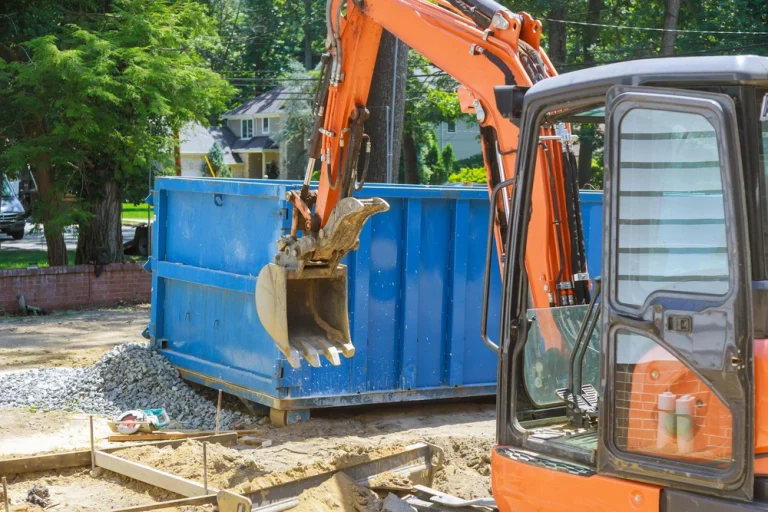
Construction projects usually generate heavier and bulkier debris compared to residential cleanups. Choosing the right dumpster is essential when handling materials such as concrete, brick, or metal.You’ll likely need a 20-yard dumpster or 30-yard dumpster, which provides ample space for disposing of substantial waste volumes. It’s important to be aware of weight limits, as overloading can incur additional fees.Consider incorporating recycling practices where possible. This not only benefits the environment but also aligns with legal construction waste management practices. Make sure you’re familiar with local regulations on heavy material disposal to ensure compliance.Accessibility for loading and unloading heavy debris is critical—plan dumpster placement for ease of use. Additionally, test the durability of the area where the dumpster will be placed to avoid damages during the rental period.Customer Service and Service Areas
 To rent a dumpster effectively, it’s crucial to consider both the customer service offered by providers and the specific service areas they cover. Focus on elements such as responsiveness, local restrictions, and available resources to make informed decisions.