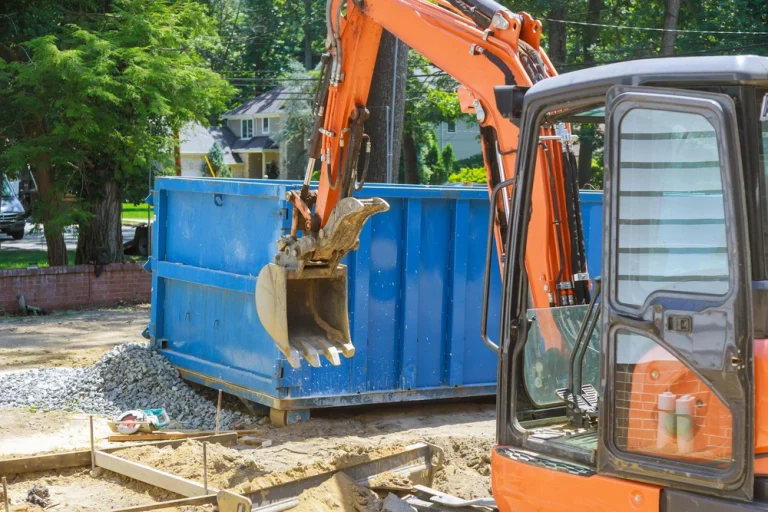
Key Takeaways
- Seasonal business dumpsters provide efficiency and flexibility.
- Choosing the right dumpster size and service optimizes waste management.
- Proper planning ensures timely waste collection and minimal disruptions.

Understanding Dumpster Rental Basics
When diving into the dumpster rental business, you need to be well-acquainted with the types of dumpsters available, how to choose the right size, and the standard rental terms and conditions. Each aspect is crucial for a successful and efficient operation.Types of Dumpsters
There are several types of dumpsters that serve different needs. Roll-off dumpsters are rectangular and are transported by specialized trucks. These are commonly used for construction and large-scale cleanouts.Commercial dumpsters, on the other hand, are typically found behind restaurants, apartment complexes, and other businesses. These come in various sizes and are built for regular trash collection. When selecting a dumpster type, consider the volume and type of waste to ensure it meets your specific requirements.Determining the Right Dumpster Size
Choosing the correct dumpster size is crucial for cost efficiency and project success. Roll-off dumpsters come in sizes ranging from 10 to 40 yards. For smaller projects, a 10-yard dumpster might suffice, whereas larger projects might require up to 40-yard dumpsters.Make sure to estimate your waste volume accurately to avoid additional costs from under or overestimating.Rental Terms and Conditions
Understanding the rental terms and conditions is essential for a smooth rental experience. Standard terms include the rental period, which usually ranges from a few days to several weeks. Know the pick-up and delivery schedule to plan your projects efficiently.Cost structures often involve base fees along with any additional charges for excessive weight or extra rental days. Be aware of local regulations regarding waste disposal and environmental standards to avoid fines.Always review your contract details carefully and ask questions to clarify any uncertainties about the rental terms. Being well-informed prevents surprises and ensures you meet all legal and logistical requirements.Assessing Seasonal Demand for Dumpsters
In the dumpster rental industry, understanding the fluctuations in demand due to seasonal changes is crucial. Factors include peak seasons with heightened activities like construction projects and home renovations, and off-season strategies to maintain service levels and revenues.Identifying Peak Seasons
The demand for dumpsters often spikes during specific times of the year. Spring and summer are particularly busy due to an increase in construction projects and home renovations.During these warmer months, favorable weather conditions allow construction crews to work more efficiently, leading to a surge in dumpster rentals.Homeowners also take advantage of the milder weather to undertake renovations, landscaping, and clean-out projects, further driving demand.A careful look at local trends and historical data can help identify these peak seasons and prepare your inventory accordingly. Monitoring scheduled construction projects and major housing developments can also provide valuable insights into upcoming demand.Key Activities:- Construction projects
- Home renovations
- Landscaping projects
Off-Season Dumpster Needs
Demand typically decreases during the fall and winter months, particularly in regions that experience extreme weather. However, this does not mean there are no opportunities.In colder climates, winter can bring about a different set of needs such as debris removal from snowstorms or preparation for the upcoming holidays, which can also generate waste.Fall might see a decline from summer peaks but can still have steady business from smaller projects or preparation for winter.You can adapt by offering promotions or highlighting other services like recycling to attract customers.Key Activities:- Fall clean-up projects
- Winter storm debris removal
- Holiday preparation waste management
Budgeting for Dumpster Services
 To effectively budget for dumpster services, it’s crucial to evaluate rental rates and explore methods to maximize cost efficiency. Understanding these elements will help you manage disposal needs without overspending.
Evaluating Dumpster Rental Rates
When evaluating dumpster rental rates, consider various factors influencing the cost. Rental prices generally range from $200 to $800 for a roll-off dumpster, depending on size and location. For ongoing commercial needs, like those seen at some businesses, this can fluctuate based on local demand and seasonal changes.Key considerations include:- Dumpster Size: Larger dumpsters (30-40 cubic yards) cost more than smaller ones (10-20 cubic yards).
- Rental Duration: Long-term rentals may offer better rates than short-term.
- Service Frequency: Regular pickups could lead to discounts on long-term contracts.
Maximizing Cost Efficiency
Maximizing cost efficiency involves strategic planning and negotiation. First, assess what size and type of dumpster best fit your specific requirements to avoid overpaying for unnecessary capacity. Some companies, like Budget Dumpster, offer tailored rental solutions that can help optimize your budget.Tips for cost efficiency:- Optimize Pickup Schedules: Align pickup schedules with your waste generation to avoid unnecessary hauls.
- Negotiate Contracts: Long-term contracts may qualify for reduced rates and special discounts.
- Monitor Usage: Keep track of how much waste is being generated and adjust service levels as needed.
Optimizing Pickup and Delivery Schedules
Optimizing pickup and delivery schedules for dumpster services can significantly increase efficiency and customer satisfaction. Implementing strategic scheduling and ensuring efficient turnarounds is key to achieving these objectives.Strategic Scheduling for Pickup Services
Strategic scheduling for dumpster pickup services revolves around aligning with customers’ time preferences and operational needs. Analyzing peak times: Identify periods when demand is highest and prioritize pickups accordingly. This helps avoid bottlenecks and ensures timely service.Time windows: Establish specific time windows for frequent clients or regions. For example, scheduling pickups in commercial areas early in the morning can minimize disruption.Using route optimization software can plan the most efficient paths. This lowers fuel costs and enhances timely arrivals. Predictive analytics can also track usage patterns, allowing you to adjust schedules dynamically based on real-time data and customer preferences.Efficient Turnaround for Dumpster Delivery
Efficient turnaround for dumpster delivery focuses on minimizing waiting times and maximizing availability. On-time delivery: Ensure that dumpsters are delivered exactly when needed to prevent any delays in client projects.Inventory management: Maintain a clear system for tracking available dumpsters. This includes scheduling timely pickups from completed projects to replenish the inventory quickly. Implementing software that integrates delivery schedules with inventory levels can streamline this process.Flexible rental periods also play a role. Offering timeframes that align with client needs ensures dumpsters are picked up promptly once the project concludes. Efficient communication with clients about delivery and pickup ensures that expectations are met and services are not delayed.Location and Placement Considerations
 Proper placement of seasonal business dumpsters is crucial for maintaining safety, accessibility, and operational efficiency. The information below covers how to choose an optimal location and the importance of securing dumpster enclosures.
Choosing the Best Location
Selecting the right spot for your dumpster is vital. Ideally, place it on a level, firm surface to prevent tipping or sinking. Avoid positioning it on soft soil or uneven ground, which could compromise stability.Ensure the location allows easy access for waste collection trucks, without obstructing traffic or entrances. Also, maintain a safe distance from buildings to prevent interference with exits or fire hydrants.Taking seasonal changes into account can help you avoid potential issues like frozen ground in winter or muddy conditions in spring.Securing Dumpster Enclosures
Dumpster enclosures provide added security and aesthetic value. Construct the enclosure from durable materials like wood, metal, or concrete to withstand wear and tear. Ensure the enclosure is large enough to accommodate the dumpster and allow for easy opening and closing of gates.Properly securing the enclosure prevents unauthorized access, reduces the risk of illegal dumping, and keeps pests at bay. Making the enclosure lockable adds a layer of security.It’s essential to design the enclosure with enough space around the dumpster for easy pickup and drop-off by waste collection services. This setup improves efficiency and minimizes the risk of damage to surrounding property.Install signage indicating usage rules and contact information for waste management services to maintain orderliness.Waste Management and Disposal Strategies
Effectively managing waste involves tailored strategies to handle varied waste streams and implementing recycling programs. These practices help in reducing waste, managing costs, and promoting sustainability.Handling Varied Waste Streams
Proper handling of varied waste streams is critical for effective waste management. You should categorize waste into specific types like yard waste, food waste, and general trash. Using separate containers for each type ensures that materials are correctly processed and disposed of.For yard waste, you can employ composting techniques to convert organic matter into useful compost. Food waste should be separated and possibly repurposed through composting or specialized disposal services. Correctly managing these waste streams can significantly reduce the amount of garbage sent to landfills and aid in responsible waste management. Encouraging employees to follow these practices will streamline your environmental efforts.Implementing Recycling Programs
Recycling programs are essential for reducing the volume of waste that ends up in landfills. Establishing a comprehensive recycling program begins with educating your team about the importance and methods of recycling. Make it easy for everyone by providing clearly labeled bins for glass, plastic, paper, and metal.You can partner with local recycling services to ensure efficient collection and processing of recyclables. Many companies offer cost-effective recycling solutions that can fit your business needs. Additionally, promoting these programs not only helps in waste disposal but also demonstrates your company’s commitment to cutting costs and supporting ecological initiatives.Selecting the Right Dumpster Service Provider
 Choosing a dumpster service provider is a critical step for managing your business’s seasonal waste. Careful consideration of service quality and a thorough comparison of various providers is essential.
Evaluating Service Quality
When evaluating the quality of a dumpster service, look for companies that offer reliable pickups and flexible scheduling. This ensures that your waste management needs are always met without interruption. Confirm that the provider maintains a well-maintained inventory of dumpsters, as this can prevent any downtime due to faulty equipment.Seeking expert advice from the rental company about the appropriate size and type of dumpster for your business can save you from overpaying for unneeded capacity.Comparing Various Dumpster Service Providers
Start by gathering quotes and comparing the pricing structures of multiple providers. Factors to evaluate include monthly rental costs and any potential additional fees. It’s crucial to clarify all costs upfront.Additionally, compare the level of customer service provided, such as responsiveness to inquiries and the ability to handle emergency pickups. Researching each provider’s reputation through online reviews and business ratings can offer insights into their reliability and customer satisfaction.Ensuring your chosen provider meets these criteria will help keep your seasonal business operations seamless and efficient.Encouraging Community and Environmental Practices
To effectively run a seasonal dumpster rental business, it is vital to engage the community and implement sustainable practices. Focus on fostering community involvement and promoting sustainable waste solutions.Fostering Community Involvement
Engaging the local community ensures that waste management practices align with their needs and values. Organize community clean-up events where residents can properly dispose of waste in rented dumpsters. This not only helps in maintaining cleanliness but also fosters a sense of community pride.Communication is key. Regularly inform residents about waste disposal practices through social media, newsletters, or local meetings. Educating the community about the environmental impact of proper waste disposal can significantly increase participation and compliance.Partner with local organizations to support community projects. For instance, renting dumpsters for local parks or schools can encourage more community-driven initiatives. Offering discounts or incentives for such projects can promote goodwill and demonstrate your commitment to the environment and community welfare.Promoting Sustainable Waste Solutions
Implementing sustainable waste solutions can drastically reduce environmental impact. Utilize roll-off dumpsters that support recycling initiatives to ensure that a significant portion of the collected waste is recycled. Highlight the benefits of these eco-friendly dumpsters, which minimize waste going to landfills and reduce greenhouse gas emissions.Offer services that help businesses and households sort recyclable materials. This can be a crucial step in promoting recycling at a higher rate. Provide clear guidelines on what can be recycled and ensure that your dumpsters are clearly labeled for different types of waste.Encourage local businesses to adopt green initiatives by offering incentives for waste reduction and sustainable waste management practices. For example, aligning with Florida’s incentives for businesses to reduce waste can bolster your efforts and provide additional motivation for businesses to participate.Tailoring Services to Construction and Renovation Projects
 Providing tailored dumpster services for construction projects and home renovations ensures efficient waste management and smooth operations. This approach helps maintain project timelines while keeping environmental considerations in mind.