Key Takeaways
- Building a mall requires detailed planning and significant financial investment.
- Modern malls focus on mixed-use spaces and experiential shopping.
- Comprehensive planning ensures a thriving and profitable shopping center.

Industry Overview
The shopping mall industry has undergone significant transformation over the years, influenced by changing consumer behaviors and the rise of e-commerce. This section examines the evolution, current market dynamics, and the impact of online shopping on retail spaces.Evolution of Shopping Malls
Shopping malls have experienced a dynamic evolution since their inception. Initially designed for retail convenience, malls became popular in the mid-20th century, offering a one-stop-shopping experience. Over time, they developed into large complexes encompassing entertainment, dining, and recreational facilities.Recent trends indicate a shift towards lifestyle centers and open-air malls, targeting more community-oriented experiences. Developers are focusing on creating spaces that blend retail with experiential components, such as theaters, fitness centers, and event spaces, reflecting a broader trend towards mixed-use development.Current Market Dynamics
The current market for shopping malls is diverse and heavily influenced by demographic trends and consumer preferences. Millennials and Gen Z favor malls that provide unique experiences and social opportunities. As a result, many shopping centers are integrating more leisure and entertainment options.In the first quarter of 2024, shopping center construction in the U.S. saw variations across different regions, driven by local economic conditions and population growth. The demand for retail space varies, with suburban and urban centers experiencing different rates of development.Impact of E-Commerce
E-commerce has substantially impacted the shopping mall sector. The convenience and variety offered by online shopping have led to a shift in consumer behavior, affecting mall foot traffic and retail sales.In response, malls are adapting by incorporating omnichannel strategies, such as click-and-collect services and enhanced in-store experiences. This integration aims to create a seamless shopping experience that combines the benefits of both physical and digital retail spaces.Additionally, developers are repurposing vacant retail spaces into e-commerce fulfillment centers or mixed-use areas, reflecting an industry trend towards greater flexibility and innovation.Planning and Design
Effective shopping mall construction requires meticulous planning and a well-thought-out design. Key elements include a thorough site selection process, thoughtful design conceptualization, and understanding the different types of malls to ensure your vision aligns with market needs.Site Selection
Choosing the right site is crucial for a mall’s success. The location should have high visibility and accessibility to attract a steady flow of visitors. Consider proximity to major roads, public transit options, and demographics of the surrounding area.Assess the site’s feasibility by looking at zoning regulations and environmental impact. Conducting a thorough site analysis helps identify potential obstacles and advantages.Engaging with local authorities and community stakeholders early on can smooth the approval process and address any concerns about traffic, noise, and environmental impact.Conceptualizing the Design
Creating a compelling and efficient design involves collaboration with architects and designers. Start by developing a vision that aligns with the target audience and market trends.Consider the layout, ensuring it supports easy navigation and a mix of large anchor stores and smaller specialty shops. Fluid floor planning enhances the shopping experience by making it easy for visitors to move through the space.Incorporating state-of-the-art technology, sustainable design practices, and aesthetically pleasing elements can significantly elevate the mall’s appeal. Sustainability should be a key priority, with energy-efficient systems for lighting, air conditioning, and ventilation.Types of Malls
Understanding different types of malls can help you tailor your design to meet specific market needs. Traditional regional malls usually feature a variety of fashion and retail stores anchored by big department stores.Lifestyle centers focus on outdoor shopping and include dining and entertainment options, appealing to a more leisurely shopping experience.Power centers consist of multiple large-format stores, ideal for areas with high vehicular traffic. Mixed-use developments combine retail with residential, office, or hotel spaces, catering to urban environments. Each type has unique characteristics and requirements that can impact your planning and design approach.Investigate examples of successful malls worldwide to draw inspiration for your project. For a deeper dive into mall design, you can explore mall design guidelines.Regulatory Compliance
 Regulatory compliance in shopping mall construction revolves around gaining the necessary zoning approvals, obtaining various permits, and adhering to minimum safety codes. Ensuring compliance in these areas is crucial for legal and operational success.
Zoning and Approvals
Zoning laws regulate how land can be used in different areas. For shopping mall construction, understanding the local zoning ordinances is essential. You need to ensure that the site you select is zoned for commercial use.Engage with local planning boards and councils to address any zoning challenges. Public hearings may be required, where you must present your construction plans to stakeholders. This process can be time-consuming, so begin early to avoid delays.Additionally, you might need to perform environmental impact assessments. These assessments determine the potential effects of your project on local ecosystems and communities. Completing this step can help in obtaining the required zoning approvals.Obtaining Permits
Different permits are essential at various stages of shopping mall construction. Initially, building permits are necessary. These permits confirm that your construction plans comply with local building codes and regulations.You may also need electrical, plumbing, and mechanical permits. Each permit ensures that specific aspects of the construction meet established safety and performance standards.During construction, inspections are conducted to verify compliance with permit requirements. Failure to secure the appropriate permits can result in legal action, fines, and project delays. Keep meticulous records of all permits and related documentation, as these may be required for future inspections and validations.Minimum Safety Codes
Adhering to minimum safety codes is non-negotiable in shopping mall construction. Safety codes are in place to protect both construction workers and future occupants of the mall. Key aspects of safety codes include fire safety regulations, structural integrity, and accessibility standards.Fire safety regulations require the installation of sprinklers, fire alarms, and other fire prevention systems. Structural integrity standards ensure that the building can withstand natural and man-made forces. Accessibility standards mandate features like ramps, elevators, and accessible restrooms.Ensuring compliance with these codes involves rigorous inspections and regular training for construction staff. Properly documenting compliance with safety codes can help in passing final inspections and securing a certificate of occupancy, which is necessary before the mall can open to the public.Construction Process
Building a shopping mall involves various stages like demolition and excavation, use of specific construction techniques and materials, and installing plumbing and electrical systems. These phases are crucial to ensure a sturdy, functional, and well-equipped structure.Demolition and Excavation
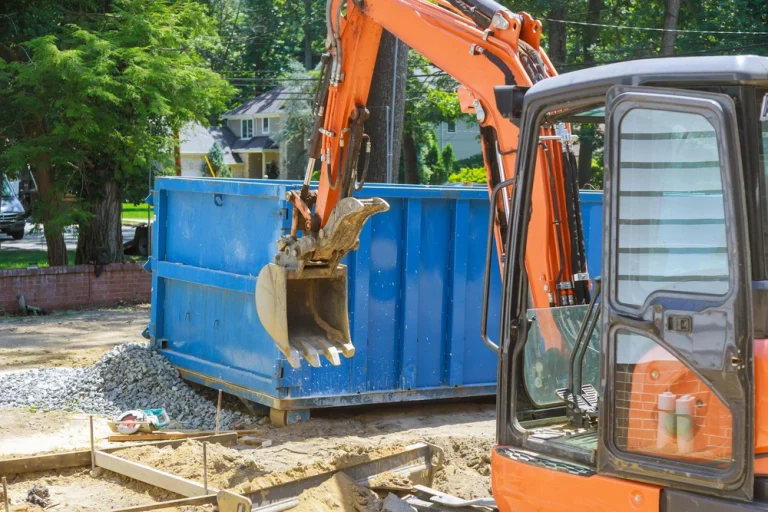
The initial step in constructing a shopping mall often begins with demolition of existing structures on the site. Specialized equipment, such as wrecking balls, hydraulic excavators, and construction dumpster rentals, is used to safely remove old buildings and clear the area.After demolition, excavation is performed to prepare the foundation. This involves digging the ground to the required depth, removing soil and rocks to ensure a stable base. Heavy machinery like bulldozers and backhoes are typically employed in this process.Proper site preparation through demolition and excavation is critical, as it ensures the ground is stable and ready for further construction work.Construction Techniques and Materials
Various construction techniques are used based on the design and requirements of the mall. For instance, reinforced concrete and steel frameworks are commonly chosen for their strength and flexibility. Steel frames provide structural support, while reinforced concrete offers durability and resilience.The choice of materials impacts the mall’s functionality and longevity. Advanced materials like glass, aluminum, and composite panels are often used for modern aesthetics and sustainability. Sustainable materials, such as recycled steel and low-emission concrete, contribute to eco-friendly construction practices.These techniques and materials are selected to meet the design specifications and ensure a long-lasting infrastructure.Building and Framing
Once the foundation is set, the building and framing phase begins. This stage involves erecting the skeleton of the mall using steel or wood frames. Framing establishes the basic structure and layout of the mall, creating spaces for different retail units.Construction workers assemble the frames, ensuring they are aligned and secured properly. Load-bearing walls and ceilings are constructed to provide stability and support for the overall structure. Prefabricated components, like trusses and beams, are often used to speed up the process and ensure precision.Building and framing form the core of construction, setting the stage for subsequent work like interior and exterior finishing.Plumbing and Electrical
The next phase involves installing plumbing and electrical systems. Professional plumbers and electricians work to lay down water supply lines, drainage systems, and wiring. Plumbing work includes fitting pipes, faucets, and drainage systems to ensure a reliable water supply and waste management.Electrical work involves setting up wiring, lighting fixtures, and power outlets. Electricians also install safety systems like fire alarms and sprinklers. These installations are crucial for the mall’s operation and compliance with safety standards.Ensuring proper installation of plumbing and electrical systems is vital for the functionality and safety of the shopping mall.Financial Aspects
 You need to navigate various financial components when constructing a shopping mall. These encompass feasibility studies, obtaining the necessary funds, and managing your budget effectively.
Feasibility and Cost Estimates
Before embarking on mall construction, conducting a feasibility study is crucial. This involves estimating the total cost to build a mall, which includes land acquisition, construction, and additional expenses.- Land purchase: Prices vary significantly based on location.
- Construction Costs: Typically, the average cost ranges from $24.9 million to $180 million. For deluxe supercenters, costs can reach $225 million.
- Permitting and Licensing Fees: These can range from $10,000 to $50,000.
Financing the Construction
Securing financing for mall construction can involve multiple avenues. You may explore traditional bank loans, which offer structured repayment plans. Alternatively, private investors are another option, often providing substantial capital in exchange for equity.- Loans: Banks typically require detailed business plans and cost estimates.
- Investors: Investment groups or individuals may be willing to provide significant funding.
Budget Management
Effective budget management is pivotal during construction. Establish a robust system for tracking expenses against your initial construction budget.- Cost Tracking: Use software for real-time updates on spending.
- Contingency Funds: Allocate around 10-15% of your budget for unforeseen expenses.
Logistics and Resources
Efficient logistics and resource management are crucial for a shopping mall construction project. By focusing on supply chain management, sourcing materials and equipment, and workforce allocation, you can ensure smooth progress and minimize delays.Supply Chain Management
Effective supply chain management is vital for timely project completion. Coordinating with multiple suppliers for various construction materials, such as steel, concrete, and glass, is fundamental.Maintaining an inventory database helps track these resources and plan for future needs. You need to establish clear communication channels with suppliers to ensure timely delivery. This minimizes the risk of project delays due to material shortages, keeping the construction timeline on track.Utilizing technology, like construction project management software, can improve efficiency. The software facilitates real-time tracking of materials and equipment, aiding in better decision-making. Address potential disruptions proactively by having contingency plans and alternative suppliers in place.Sourcing Materials and Equipment
Sourcing high-quality materials and reliable equipment influences both the quality and the longevity of the mall. Conduct thorough vetting of suppliers to ensure they meet the industry standards and regulations.Bulk purchasing of common materials like cement and bricks can lead to cost efficiency. However, specialized materials may require sourcing from more specific suppliers, necessitating rigorous quality checks.Evaluate different suppliers’ performance and historical reliability. Consider using local suppliers to reduce transportation costs and support local businesses. Regularly inspect incoming materials and equipment to ensure compliance with your project’s specifications.Workforce Allocation
Allocating the right amount of skilled labor is crucial for timely project completion. Assess the specific skills required for various construction phases and assign workers accordingly.Training sessions for builders on new technologies and techniques can improve productivity. Ensure that the workforce is well-coordinated, with a clear chain of command, to avoid misunderstandings and conflicts.Regularly track workforce performance to identify areas needing improvement. Adjust labor allocation based on project demands to optimize efficiency. Adequate workforce management ensures that each phase of the construction project progresses without unnecessary delays, ultimately contributing to the successful completion of the shopping mall.Marketing and Leasing
 Effective marketing and leasing strategies are essential for the success of a shopping mall. They help attract consumers, secure anchor stores, and create a vibrant retail environment that can compete with online shopping trends.