Key Takeaways
- Pool removal requires careful planning and multiple dumpster rentals.
- Consider both environmental and economic impacts before starting.
- Professional help can ensure compliance and safety during demolition.

Understanding the Basics of Pool Removal
Pool removal involves different methods and offers several benefits to homeowners. You’ll learn about full and partial removal processes and how choosing the right approach can reclaim valuable space, improve property value, and eliminate maintenance costs.Types of Pool Removal
Full removal and partial removal are two main types of swimming pool removal. With full removal, the entire pool structure, including walls and flooring, is completely demolished and removed. This method is ideal for those who want to repurpose the space or who might face zoning regulations in the future. It ensures the land can be developed later without any issues. For example, performing a complete pool removal can leave you with a completely empty space, ready for new ideas.Partial removal, often referred to as abandonment, involves removing only the top portion of the pool and punching holes in the bottom for drainage. The remaining pool structure is buried with dirt and debris. This method is less costly and quicker than full removal. It’s commonly chosen for inground pool removal when homeowners seek a budget-friendly option.Benefits of Pool Removal
The removal of a pool provides numerous advantages. First and foremost, it can significantly reduce maintenance expenses, which include cleaning, chemical treatments, and repairs. This is especially true for above ground pool removal, which involves simpler processes and fewer resources.Furthermore, removing a pool often increases the overall property value. Potential buyers might see unused pools as liabilities, and by removing them, you expand the yard space for outdoor activities or new landscaping projects. Additionally, from a safety perspective, removing a pool can minimize risks of accidents, especially in households with young children or pets. These benefits make pool removal an appealing choice for many homeowners.Planning and Preparation
Preparing for pool demolition involves assessing the feasibility, understanding local regulations, and selecting a reliable contractor. These steps ensure a smooth process while considering safety precautions and compliance.Assessing Pool Removal Feasibility
Before proceeding, evaluate whether your pool’s removal is practical. Consider the pool’s size and location within your property, as accessibility can impact costs and logistics. If the pool is near buildings or utilities, additional care might be necessary during demolition.Consult experts to gauge the structural aspects of your pool and surrounding area. This assessment helps identify potential challenges, making it easier to plan and execute the project. Keep in mind the associated costs and whether they fit into your budget. A preliminary cost-benefit analysis can guide your decision-making.Local Regulations and Permit Acquisition
When removing a swimming pool, it’s crucial to comply with local regulations. Start by checking with your city or town’s building department. Pool removal permits may be required, and the process to obtain permits can vary by location. You might need to present detailed plans for demolition and land restoration.Follow all necessary steps to meet regulatory standards, which may include environmental precautions or noise restrictions. Non-compliance can lead to fines or legal complications. Ensure that you are up-to-date with any changes in local laws to streamline the process. Knowing these requirements in advance helps in planning timelines accordingly.Selecting the Right Contractor
Choosing the right pool removal contractor is vital to ensure a smooth and safe demolition process. Begin by seeking recommendations or reviews for potential contractors who specialize in pool demolition. Look for experienced professionals capable of adhering to safety guidelines and regulatory standards.Interview multiple contractors to compare services and prices. Ensure they have the necessary licenses and insurance to cover any project-related damages or injuries. Safety precautions should be a top priority when discussing their approach. A reputable contractor will also help navigate permit processes and local requirements, providing valuable expertise.Demolition and Removal Process
 Removing a swimming pool involves distinct methods for inground and above-ground pools, each requiring specific tools and safety precautions. Handling the debris and materials properly is crucial to ensure both efficiency and compliance with local regulations.
Inground and Above-Ground Pool Removal Methods
Inground pool removal is more intensive, involving steps such as draining the water, breaking down concrete, and possibly removing the entire structure. Methods include partial removal, where structural elements are left buried, and complete removal, which is more thorough but costlier. By contrast, above-ground pools require less effort. These pools are dismantled and hauled away after draining.You should consider the pool size, type, and access when planning the removal. Concrete and fiberglass pools may need unique approaches due to material differences, while vinyl pools typically involve simpler procedures. Each removal method has its own pros and cons regarding cost, time, and environmental impact.Use of Heavy Equipment and Safety Measures
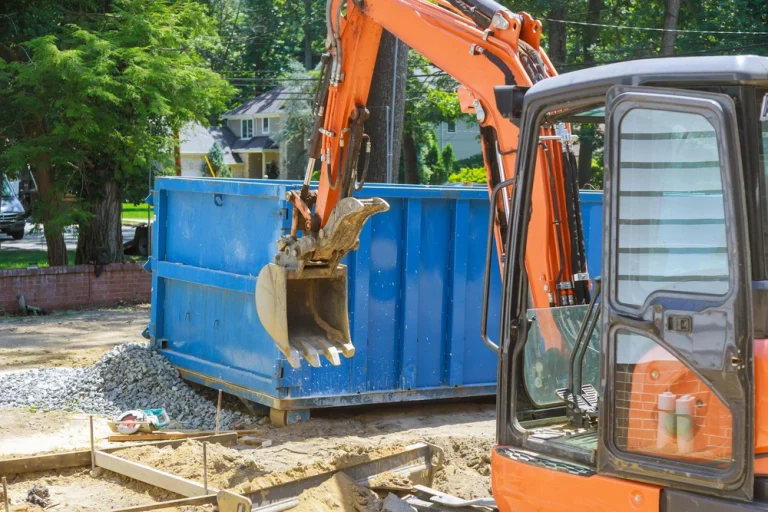
Heavy machinery like excavators and jackhammers play a pivotal role in breaking apart pool structures. These machines expedite the process but require skilled operators to handle them. Safety is paramount when using such equipment, and proper training and protective gear are essential to prevent accidents.Personal protective equipment (PPE) such as helmets, gloves, and eye protection helps safeguard workers. It’s critical to follow local regulations regarding noise levels and dust control to minimize neighborhood disturbance. You should ensure that equipment is regularly maintained to prevent malfunctions that could pose safety risks during the demolition process.Handling of Pool Materials and Debris
Handling pool materials properly not only facilitates a smooth removal process but also minimizes environmental impact. Concrete, fiberglass, and vinyl materials need to be sorted and disposed of following local waste regulations. Sometimes, concrete debris can be recycled for other construction purposes, reducing waste.Choosing the right disposal methods for different materials can save costs and support sustainability efforts. If you’re dealing with large amounts of debris, renting a dumpster may be necessary to keep the worksite clean and organized. You should also consider any hazardous materials, like pool chemicals, ensuring they’re disposed of safely to prevent environmental harm.Finishing the Pool Removal Project
After the demolition process, completing a pool removal project involves crucial steps to ensure stability and aesthetics. Attention to soil compaction and appropriate fill materials is essential for preventing sinking or settling issues, while effective landscape restoration reclaims the area for other uses.Soil Compaction and Fill Material
Proper soil compaction is vital to maintain ground stability where the pool once was. Without it, you risk future issues with the landscape. It’s important to use quality fill materials, ideally a mix of gravel and dirt, to achieve firm compaction.Gravel is often laid down first due to its excellent compaction qualities. This layer provides a solid foundation before adding pool fill dirt. After placing the gravel, dirt or a soil mix is added in layers, with each layer compacted thoroughly. A compactor can be rented to aid this process. By pressing the soil in layers, you mitigate the risk of settling over time.Choosing the right fill material matters. Some people opt for local soils, while others may find engineered fills more reliable. Aim to match the fill material with your existing landscape to promote natural drainage and support any future landscaping.Landscape Restoration
Once the ground is stable, the next step is landscape restoration. After pool removal, you’re left with a blank canvas, allowing you to redesign the area according to your preferences.Start by assessing the existing landscape. Consider the previous use of the pool area and what you intend for the future. Whether it’s a garden, patio, or lawn, ensure the chosen landscape theme complements your overall property design.Repairing and enhancing the surrounding area includes planting grass or ground cover, which aids in soil stability and appearance. Consider installing new landscaping features, such as flower beds or walkways, to add aesthetic appeal and functionality.Evaluate irrigation needs, too, especially if the space will transition to a garden. Proper irrigation systems will conserve water and ensure healthy plant growth.Economic and Environmental Considerations
 Understanding the economic and environmental aspects of swimming pool demolition is crucial for balancing expenses and ecological responsibility. Evaluating costs ensures potential savings, while adopting sustainable practices mitigates negative environmental impacts.