Key Takeaways
- Effective waste management is crucial in preserving historic sites during renovations.
- Dumpsters support environmental and safety compliance.
- Proper waste removal logistics facilitate smooth project execution.

Historical Significance and Preservation Goals
Preserving historic buildings involves understanding their historical value, planning for renovations that maintain authenticity, and considering architectural style and heritage aspects.Assessing Historical Value
Evaluating a building’s historical significance is crucial. This involves researching its origins, architectural style, and any events or notable figures associated with it. You should document original materials and construction techniques to maintain authenticity.Community engagement is vital. Involve local historians, preservationists, and community members to gather insights. This ensures the preservation aligns with the cultural heritage and historic character of the area.Planning for Renovation and Preservation
Effective planning for renovation and preservation requires a well-coordinated approach. Identify the immediate needs of the building and prioritize tasks that prevent further deterioration. Create a detailed plan that balances modern use with historical integrity.Renovation dumpster rentals play a vital role in managing the waste and debris generated during renovation. They ensure that historical materials are disposed of properly, supporting a sustainable and clean renovation process.Architectural Style and Heritage Considerations
Respecting the architectural style and heritage of a building is essential. Research the specific style, noting distinctive features and materials. Use this information to guide your renovation efforts to preserve the building’s historic character.When replacing materials, source items that match the original as closely as possible. This involves finding suppliers who specialize in historic reconstruction. Maintaining authenticity in these details supports the overall preservation goals and ensures the building remains a testament to its era.Careful documentation and sensitivity to the building’s heritage allow for a balance between modern functionality and historical preservation.Restoring Structural Integrity and Aesthetics
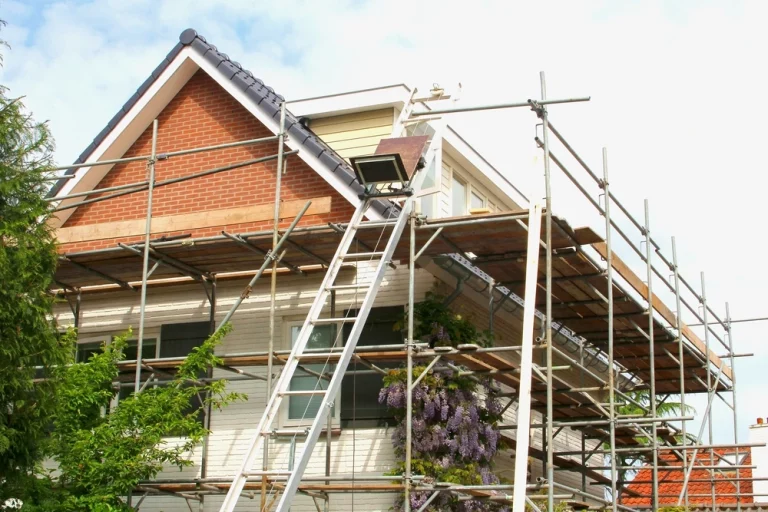
Undertaking historical building renovations involves addressing structural issues, maintaining architectural elements, and enhancing both exterior and interior aesthetics. Each step requires attention to detail and appropriate use of building materials.Addressing Structural Issues
Structural integrity is vital for the safety and longevity of any renovation project. Begin by assessing the foundation, walls, and load-bearing elements. Engage structural engineers to identify weaknesses and propose solutions, such as reinforcing beams or repairing foundations. Proper structural assessment prevents future costly repairs and ensures a solid foundation for further restoration efforts.During this phase, managing waste and debris is crucial. Renting dumpsters eases waste management, keeping the site clean and organized. Efficient waste disposal enhances safety and ensures compliance with regulations, preventing delays and additional costs.Maintaining Architectural Elements
Retaining the original architectural charm of the building is often a primary goal in historical restorations. This involves meticulous preservation of unique features such as moldings, columns, and windows. Specialized craftsmen may be required to repair or replicate these elements using traditional techniques and materials.Use dumpsters to responsibly remove non-salvageable materials without damaging surrounding structures. Properly disposing of debris ensures that valuable architectural elements remain intact and reusable. This attention to detail helps maintain the historic character of the building while meeting contemporary standards.Aesthetic Restoration of Exterior and Interior
Aesthetic restoration encompasses both the exterior facade and the interior spaces. Restore exterior materials such as brickwork, stucco, and stone to their original condition. Attention to detail is paramount, ensuring that color matches and textures are consistent with historical records.Internally, focus on preserving decorative elements like ceiling medallions, fireplaces, and woodwork. Updating electrical and plumbing systems without compromising on aesthetics can be challenging. Employ modern techniques discreetly to integrate new systems while preserving historical integrity.Dumpster rentals play a vital role here by providing a means to manage waste from materials like old plaster, wood, and wiring. Efficient debris management ensures a clean working environment, which is essential for precision in aesthetic restoration.Environmental and Safety Compliance
 Ensuring compliance with environmental and safety regulations is critical in historical building renovations. Proper waste management, adherence to hazardous materials protocols, and integration of sustainable and energy-efficient practices are essential to protect both the environment and worker safety.
Handling Hazardous Materials
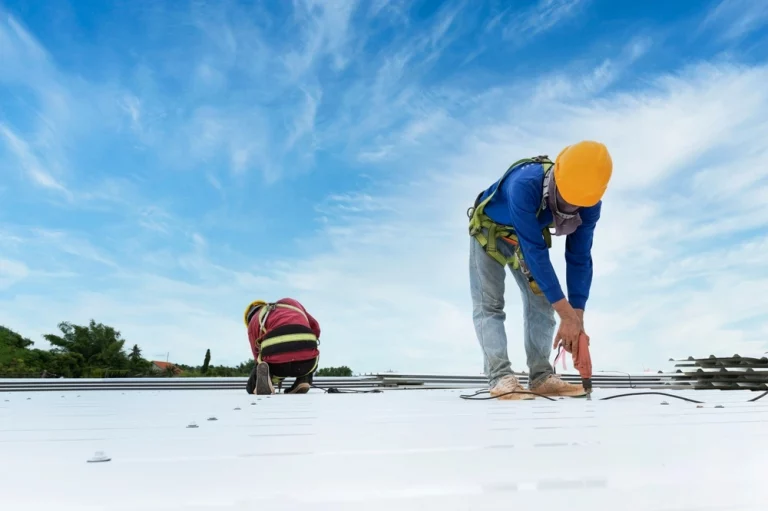
When renovating historical buildings, handling hazardous materials like lead paint and asbestos is a primary concern. These substances pose significant health risks and require careful management.Hiring professionals experienced in hazardous material removal ensures compliance with safety standards. Specialized construction dumpsters can also be rented for the safe disposal of such materials, preventing environmental contamination. Proper labeling and secure transport are crucial steps in this process.In addition, frequent site inspections help identify the presence of these dangerous substances early. Procedures like encapsulation or complete removal may be required, depending on the level of contamination and regulations in place. Ensuring worker safety with protective gear and training is also mandatory.Implementing Sustainable Practices
Adopting sustainable practices during renovations not only preserves the environment but also enhances the building’s long-term usability. Choosing eco-friendly materials for construction and repairs can significantly reduce your project’s carbon footprint.Utilizing dumpsters efficiently helps manage waste by segregating recyclable materials. This allows you to adhere to sustainability goals and minimizes landfill usage. Moreover, sourcing materials locally cuts down on transportation emissions and supports local economies.Installing systems that conserve water and reduce energy consumption contributes positively to environmental stability. For example, reusing existing structural elements and materials reduces the need for new resources. Composting organic waste and responsibly disposing of non-recyclable materials are additional methods to implement sustainability.Energy-Efficient Systems Integration
Integrating energy-efficient systems into historical buildings can modernize the structure while maintaining its architectural integrity. Installing energy-efficient windows and insulation can drastically reduce heating and cooling costs.Consider adding high-efficiency HVAC systems, which improve climate control without compromising energy consumption. This can be complemented with energy-efficient lighting and solar panels, where feasible.Using energy-efficient dumpsters can also ensure that the disposal process aligns with environmental goals, minimizing fuel usage and emissions. Upgrading to modern systems may involve regulatory compliance checks, but the long-term benefits in energy savings and environmental impact can be substantial.Implementing these systems requires careful planning and consultation with experts to balance modern efficiency with historical preservation goals. The goal is to enhance operational efficiency while minimizing the ecological footprint.Role of Dumpsters in Historical Building Renovations and Logistics
In historical building renovations, dumpsters are essential for managing waste and maintaining site cleanliness. They aid in handling debris and streamline the logistics of the renovation process.Waste Management and Site Cleanliness
Effective waste management is critical in historical renovations. Dumpsters offer a reliable and efficient solution for dealing with the materials and techniques used in these projects, such as masonry, stone, and brick. Regular removal of debris like old mortar and broken bricks helps maintain site cleanliness and safety.Proper containment prevents hazardous materials from scattering, ensuring that workers can operate in a clean environment. This is particularly important when dealing with aged or weathered materials that may pose health risks. By using dumpsters, you can keep both small and large renovation sites organized and free from clutter.Dumpster Types and Strategic Placement
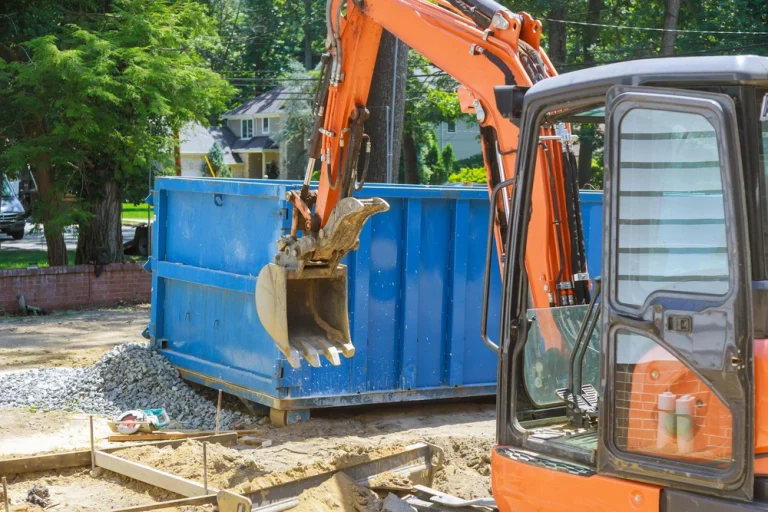
Selecting the right type of dumpster is crucial. For historical renovations, roll-off dumpsters are often the most suitable due to their capacity and ease of use. Smaller dumpsters (10-20 cubic yards) can be used for minor projects, while larger dumpsters are necessary for extensive renovations involving multiple materials, like stone and brick.Strategic placement of dumpsters on-site is vital for operational efficiency. Positioning them near the work areas reduces the time and effort needed to transport debris. Additionally, ensuring dumpsters are placed on stable, flat ground helps prevent accidents and damage to the structural integrity of historical sites.Using dumpsters effectively aligns with the functional needs of renovation logistics, ensuring a seamless and organized workflow.Modern Integration and Future Maintenance
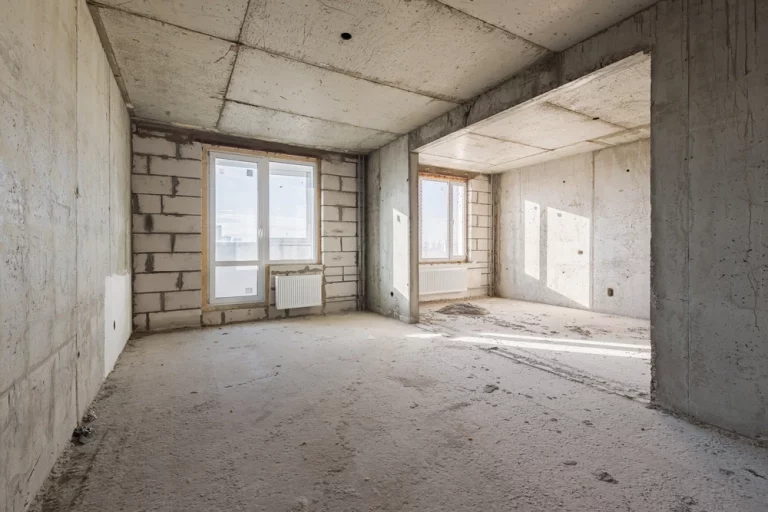
 Integrating modern amenities into historic buildings while preserving their original charm requires careful planning. Future maintenance focuses on ensuring the longevity of these structures, making dumpsters essential for managing debris and waste during the renovation.