Key Takeaways
- Building a tiny home lets you customize your living space.
- Efficient design and planning enhance tiny house living.
- Compliance with legal regulations is crucial for a smooth build.

The Essentials of Tiny Home Living
Embracing a tiny home lifestyle means focusing on minimalism, maximizing space, and enjoying the benefits of downsizing. The sections below explore the construction and space-saving strategies that make tiny living both practical and fulfilling.Understanding Tiny Homes
Building a tiny house starts with selecting a suitable design and materials to fit your needs and lifestyle. Tiny homes are typically between 100 and 400 square feet, challenging you to think creatively about layout and functionality. Consider whether your tiny home will be on wheels or a fixed foundation, as this impacts construction materials and methods.During construction, prioritize multifunctional spaces. Convert a living area into a sleeping space or a workspace with clever design elements. Use sustainable materials to minimize your environmental impact and potentially reduce costs. Some people opt for shipping containers or cob materials for their eco-friendly properties, providing a durable housing solution.Benefits of Downsizing
Downsizing to a tiny home brings many benefits, including financial savings and a simplified lifestyle. A smaller home means reduced utility costs, lower property taxes, and potentially less maintenance, allowing you to allocate resources elsewhere. The value of experiences over material possessions becomes more apparent as you adjust to tiny living.Living in a small space also encourages intentionality in possessions. Streamlined belongings can lead to a more organized and clutter-free environment, reducing stress. This lifestyle supports a focus on quality over quantity, offering freedom from the burdens of excess.Space-Saving Strategies
Effective space-saving strategies are essential in a tiny home. Maximize storage with multifunctional furniture like sofa beds or tables that double as desks. Consider the use of vacuum storage bags to store seasonal items, freeing up space for daily essentials.Utilize vertical space by installing shelves or hooks for additional storage, keeping floors clear. Creative solutions like fold-away furniture or underfloor storage can further enhance usability. When planning a tiny home, integrating these strategies ensures a more comfortable and efficient living environment, allowing you to enjoy the benefits of a minimalist lifestyle.Design and Architecture
 Building a tiny home requires careful planning and innovation to create a comfortable, functional space. Key design considerations include maximizing natural light, integrating smart storage solutions, and incorporating custom features to personalize your tiny dwelling.
Maximizing Natural Light
Incorporating natural light is essential in a tiny home. Ample sunlight makes the interior feel larger and more welcoming. Strategically placed windows—especially larger, south-facing ones—can flood your space with light. Skylights are another effective option, particularly above loft areas like sleeping or common spaces.Consider using light-reflective surfaces and materials. Light-colored walls and reflective flooring can enhance brightness. Additionally, using open shelving instead of cabinets can prevent blocking light paths. Thoughtful design choices can transform a small space into a warm, inviting environment that feels much larger.Innovative Storage Solutions
Efficient storage solutions are crucial for tiny homes. Every inch of space must be used wisely. Built-in furniture, such as beds or sofas with drawers underneath, offers hidden storage. Utilizing vertical space helps to maximize storage without sacrificing floor area. Wall-mounted cabinets or shelves are excellent for storing essentials out of the way.Consider multipurpose furniture, like fold-out tables or benches with hidden compartments. This versatility supports daily activities while maintaining a clean, clutter-free environment. Custom shelving tailored to the construction can address unique spatial challenges and ensure all household items have a designated spot.Custom Tiny Home Features
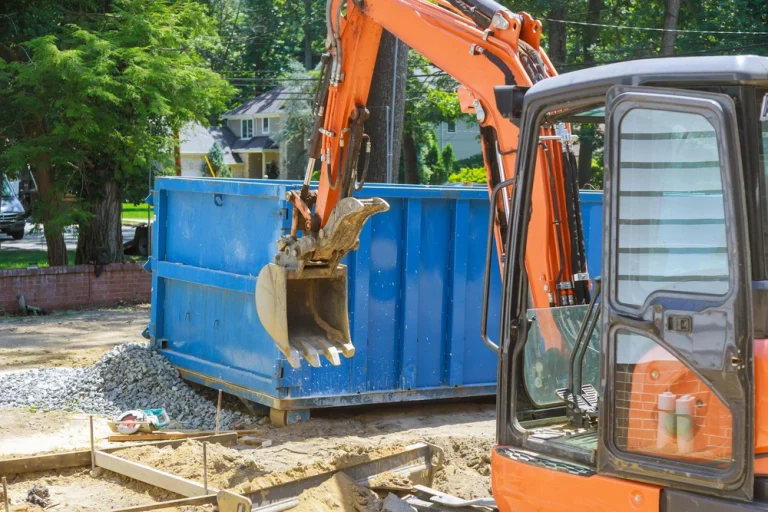
Personalizing your tiny home involves incorporating custom features that reflect your style and preferences. From guest houses to lake houses or country cottages, unique touches can set your home apart. Design elements like exposed beams or custom cabinetry provide character and functionality.Consider innovative solutions like modular furniture that reconfigures easily. These personalized features can enhance your living experience without compromising space. It’s important to recognize that building a tiny home often involves dealing with construction debris. Renting a small dumpster can be a practical solution for managing waste efficiently during the build process, ensuring a cleaner workspace and smoother construction flow.Lifestyle and Community
 Tiny home living offers a unique blend of minimalism and community. You’ll find an emphasis on using space creatively and fostering connections with neighbors, blending outdoor living experiences with everyday comforts.