Key Takeaways
- Proper waste segregation significantly reduces environmental impact.
- A well-planned Waste Management Plan is essential for efficient waste management.
- Effective segregation and recycling of materials can lead to cost savings.

Fundamentals of Waste Management in Construction
Effective waste management in construction hinges on understanding the types of waste generated and the benefits of proper segregation. By categorizing waste accurately, you can implement efficient strategies that minimize environmental impact and maximize resource recovery.Understanding Waste Types
In construction, waste materials range broadly, including both non-hazardous waste and hazardous waste. Common non-hazardous waste includes concrete, wood, bricks, and metals. These materials often can be recycled or reused, reducing the need for new resources.Conversely, hazardous waste frequently involves items like asbestos, lead, and certain chemicals. Proper identification and handling of these materials are critical to prevent environmental contamination and health risks. A clear classification system ensures each type of waste material is managed according to its specific disposal requirements.Segregating recyclable materials such as metals and plastics from non-recyclable waste helps streamline waste management processes. This aids in meeting regulatory requirements and achieving sustainability goals on construction job sites.Benefits of Effective Waste Segregation
- Enhanced Recycling Rates: Effective segregation enables you to identify recyclable waste materials more efficiently. This allows for the recovery of materials like metals, which can be melted down and reused, thus conserving natural resources.
- Cost Savings: Proper segregation can substantially lower disposal costs. By separating non-hazardous waste from general waste streams, you reduce the volume of waste sent to landfills, minimizing associated fees.
- Environmental Impact: Effective waste management significantly lowers the overall environmental impact. By ensuring hazardous waste is correctly isolated, you prevent potential soil and water contamination. Moreover, recycling reduces the carbon footprint linked to producing new materials.
- Regulatory Compliance: Adhering to waste segregation practices helps you meet national and local regulations. This not only avoids legal complications but also promotes a safer, more sustainable construction site.
Best Practices for On-Site Segregation and Reduction
Effective waste management on construction sites involves carefully separating waste, minimizing its generation, and promoting the reuse and recycling of materials. Adopting the right strategies can lead to significant cost savings and environmental benefits.Segregation Strategies
To ensure proper waste segregation, establish clearly marked disposal areas for different types of waste like metal, wood, concrete, and recyclable materials. Using color-coded bins or signs will help workers deposit materials correctly.Training staff on the importance and methods of segregation can greatly improve compliance. Schedule regular inspections to monitor adherence and address issues promptly.Having an organized space for segregating waste can prevent contamination. Contaminated recyclable materials often end up in landfills. Educate your team on what materials are recyclable and how they should be handled to maintain quality.Reduction Techniques
Waste reduction begins at the planning stage. Opt for designs and materials that minimize waste. Prefabricated components can reduce waste generated on-site since they are made to precise specifications in controlled environments.Adopt just-in-time delivery to prevent overcrowding and material damage, which leads to waste. Encouraging accurate measurements and careful cutting of materials reduces offcuts.Regular audits of waste can reveal patterns and areas where waste is prevalent. Use this data to implement changes that reduce waste generation. Your team can contribute ideas for reducing waste based on their experiences and observations.Reuse and Recycle Opportunities
Establishing a reuse program on-site can divert significant volumes of waste from landfills. Materials like wood, brick, and metal are often reusable. Create an inventory of reusable materials and make it available to your team.Promote recycling by partnering with recycling facilities that accept construction materials. Items such as concrete, asphalt, and metal can typically be recycled into new products.Set specific recycling goals and track progress regularly. Displaying these metrics can motivate your crew. Use recycled materials in new construction whenever possible to close the loop.By following these best practices, you can achieve effective on-site waste segregation and reduction, ultimately contributing to more sustainable construction operations.Planning and Implementing a Waste Management Plan
 Effective waste segregation on construction job sites begins with detailed planning and practical implementation strategies. Key elements include creating a waste management plan, delivering targeted training, and utilizing specialized tools and software to enhance efficiency and performance.
Planning for Waste Segregation
Creating a waste management plan is the first essential step. This plan outlines the strategies for handling different types of waste generated on the job site. Start by conducting a waste audit to identify common waste materials and their quantities. This data helps in planning for recycling, reusing, or sending waste to landfills.You must document the procedures for managing waste, including handling hazardous materials and segregating recyclable items. Outline the roles and responsibilities of team members in waste management. Additionally, set measurable goals to track your progress and make necessary adjustments to improve performance.Training and Education
Proper training and education are crucial for successful waste segregation. Educate your staff on the waste management plan and the importance of segregation. Regular training sessions ensure that everyone is aware of the procedures and their specific responsibilities.Use a mix of training methods, such as hands-on workshops, informational sessions, and digital resources. Incorporate practical examples to make the training relevant and engaging. Consider creating visual aids, like posters and signage, to reinforce key messages about waste segregation procedures. Keep training documentation readily available for continuous reference and updates.Tools for Waste Management
Using the right tools can significantly enhance the efficiency of your waste management efforts. Implement software solutions that help track waste generation, segregation, and disposal activities. These applications can provide valuable insights into waste patterns and help optimize waste management strategies.Invest in durable containers and bins specifically labeled for different types of waste. You can also use multiple dumpster rentals for waste segregation. Utilize compactors and crushers to reduce the volume of non-recyclable waste, making transportation more efficient. Implementing site-specific tools like designated collection points and sorting stations can streamline the segregation process, ensuring waste is managed effectively from start to finish.Role of Containers and Storage in Waste Management
Efficient waste management on construction sites hinges significantly on the use of appropriate containers and storage solutions. Proper containers and storage not only ensure safe disposal but also enhance waste segregation, reducing the amount sent to landfills.Types of Containers
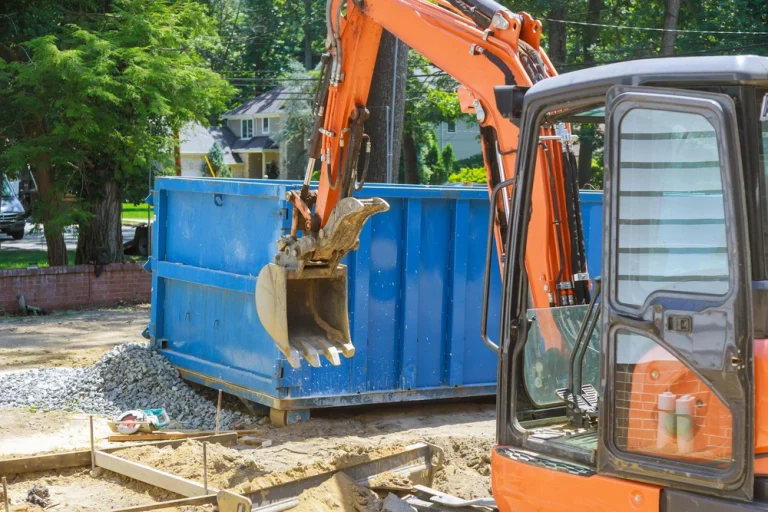
Various types of containers are essential for effective waste segregation on job sites. Wheeled bins provide mobility and ease of handling for everyday waste. Skip bins, often hired for large projects, are suitable for bulky waste like concrete and metal. Specialized containers for hazardous materials prevent contamination and ensure safe disposal.Proper labeling and color-coding of containers enhance waste segregation. This makes them easy to identify, facilitating compliance with waste management practices. Implementing these types of containers can significantly reduce mismanagement and improve overall site safety.Effective Storage Solutions
Effective storage solutions are crucial for managing waste on construction sites. Designated storage areas for different waste types minimize cross-contamination. Covered storage protects waste from elements, preventing pollution from stormwater runoff.Vertical storage systems can save space and organize waste efficiently. These systems facilitate easier waste collection and transfer, optimizing the disposal process. Additionally, ensuring regular collection schedules prevents overflow, maintaining site cleanliness.Implementing these solutions helps streamline waste handling and ensures that segregation practices are followed consistently. This is pivotal for maintaining an environmentally responsible construction site and complying with regulations.Regulatory Compliance and Environmental Responsibility
 Regulatory compliance and minimizing environmental footprints are essential aspects of waste segregation on construction job sites. Ensuring adherence to local laws and sustainable practices protects both your projects and the broader ecosystem.