Key Takeaways
- Most basement remodels benefit from a 20-yard dumpster.
- Smaller projects might only need a 10-yard dumpster.
- Evaluate debris types and logistics for the best dumpster rental experience.

Understanding Dumpster Sizes and Dimensions
Selecting the appropriate dumpster size is crucial for managing a basement remodel efficiently. Knowing the different sizes, dimensions, and capacities can help you make an informed decision.Standard Dumpster Dimensions and Volume
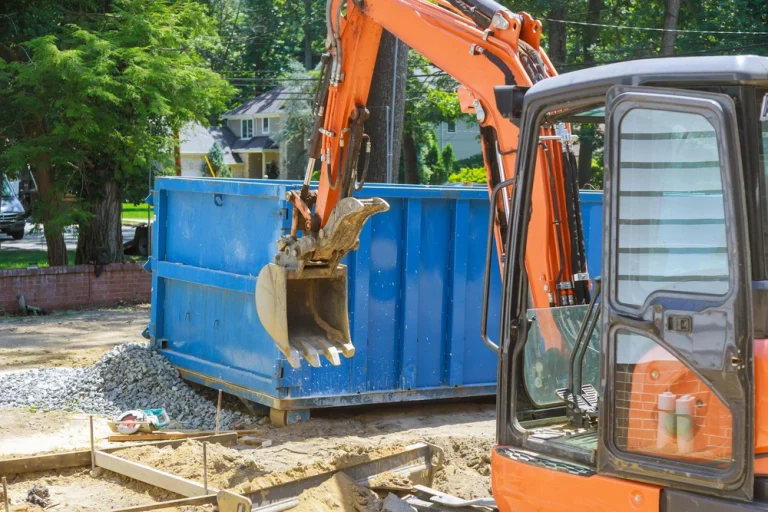
Dumpsters are available in various sizes to accommodate different project needs. The 10-yard dumpster measures 12 feet long, 8 feet wide, and 3.5 feet high and can hold up to 10 cubic yards of material, roughly equivalent to 3 pickup truck loads. This size is ideal for small basement cleanouts or minimal renovation debris. A 20-yard dumpster measures 22 feet long, 8 feet wide, and 4 feet high, holding 20 cubic yards of material, making it suitable for moderate projects, including basement remodels. For larger remodels, a 30-yard dumpster (22 feet long, 8 feet wide, and 6 feet high) or a 40-yard dumpster (22 feet long, 8 feet wide, and 8 feet high) might be needed. These can hold 30 to 40 cubic yards respectively, providing ample space for extensive debris.Choosing the Right Size Dumpster for Your Basement Remodel
To determine the right size dumpster for your basement remodel, consider the scale and scope of the project. For minor cleanouts or small renovation tasks, a 10-yard dumpster might suffice. This is particularly true if you’re removing light materials like carpeting or drywall. For a more comprehensive remodel, involving structural changes or large amounts of debris, a 20-yard dumpster is often suitable. This size can handle heavier materials and larger volumes of waste. For substantial projects, such as finishing a basement or extensive demolition, a 30-yard dumpster may be necessary to accommodate larger debris volumes without frequent emptying. Evaluate your specific needs, the type of materials, and the estimated debris volume to choose the correct dumpster size. Accurate assessment ensures efficient waste management and prevents the hassle of insufficient capacity or excessive costs.Evaluating Debris and Waste Types
 When planning a basement remodel, the types of materials and their disposal requirements are critical. Knowing the specifics will help you choose the right dumpster size and avoid potential issues with waste management.
Common Basement Remodeling Materials
Basement remodels typically generate various types of waste, including drywall, concrete, cabinetry, and furniture. Drywall is lightweight but bulky, while concrete is heavy and takes up less space volume-wise. Cabinetry from old storage units or built-ins adds to the debris, as does outdated or broken furniture. Drywall and wood framing often dominate the waste category. If you’ve got shelves, old carpet, or tile to remove, consider their disposal weight and volume. Concrete from old flooring or foundational work should be counted in your dumpster size decision, given its substantial weight.Weight Limits and Heavy Debris Considerations
Weight limits are crucial when disposing of heavy debris like concrete and shingles. Dumpsters come with specified weight restrictions that, if exceeded, can incur additional charges. Concrete and other heavy materials like tiles can quickly add up in weight despite their smaller volume. When remodeling, remember that mixed waste (like drywall combined with concrete) requires careful weight calculations. Always list out potential heavy debris to gauge the most efficient dumpster size. Cabinetry and large furniture pieces, though lighter, still need to be factored in for ensuring there’s ample space and within the specified weight limits.Logistical Aspects of Dumpster Rental
 When renting a dumpster for a basement remodel, several logistical aspects need to be considered. These include the placement and space requirements, necessary permits and local regulations, and budgeting for the rental.