Key Takeaways
- Assess your barn’s condition and potential uses.
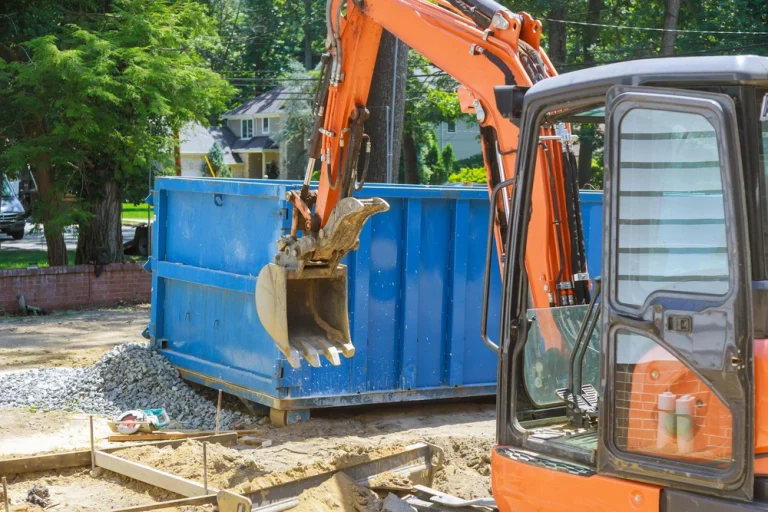
- Transforming an old barn may require professional consultation and a large dumpster rental for debris.
- Creative repurposing can add significant value and functionality to your property.

Assessing Your Barn’s Potential
Consider both the structural integrity and historical significance of your barn to determine its potential for future use or restoration. This approach ensures you make informed decisions that respect the barn’s character and practical possibilities.Evaluating Structural Integrity
The first step in evaluating your barn’s potential is to assess its structural integrity. Begin with a detailed inspection of the foundation, walls, and roof. Look for signs of rot, woodworm damage, and foundation cracks.Hire a professional if you’re unfamiliar with structural assessments. Experts can provide insights into the load-bearing capabilities and identify areas that require immediate attention or reinforcement. Check the condition of support beams and trusses because they play a critical role in maintaining the barn’s stability.Water damage is another crucial factor to evaluate. Look for signs such as damp areas, mold, or weakened wood. Proper drainage around the barn can mitigate future issues.Understanding Historical Significance
Determine whether your barn holds historical significance. Historic barns often have unique architectural elements or construction techniques that reflect a specific period or local craftsmanship. Research your barn’s history by consulting local historical societies or archives.Significance may also come from previous ownership or its role in local agricultural history. Historic barns can be eligible for grants or tax incentives related to restoration. These resources can offset restoration costs and encourage the preservation of character while maintaining practicality.Consult a historian specialized in rural architecture to validate your findings. They can provide a detailed historical context, enhancing the value of preserving such structures.By focusing on structural integrity and historical significance, you can make well-rounded decisions about your barn’s potential.Exploring Repurposing Options
Repurposing an old barn can add value and functionality to your property. Among the many possibilities, transforming a barn into a residence, an event space, or a rental property stands out as the most popular and practical options.Each approach offers unique benefits—whether it’s creating a functional living space, crafting a venue for memorable gatherings, or generating additional income. The best choice often depends on your personal goals, the barn’s condition, and the opportunities available in your region.Transforming into a Residence
Transforming an old barn into a residence, known as a barndominium, offers a unique living experience. Eco-friendly features such as rainwater collection or green roofs can complement a rustic-modern design.In colder climates, investing in insulation and heating is essential, while barns in warmer areas may prioritize natural ventilation. Retain original elements like exposed beams to maintain the barn’s charm while adding modern amenities like plumbing and electrical systems.Creating a Wedding Venue
Breathtaking mountain views and serene natural backdrops provide the perfect setting for rustic, outdoor weddings. These stunning landscapes not only offer endless opportunities for memorable photos but also allow for immersive outdoor ceremonies and receptions that make the most of the surrounding beauty.In regions like Lassen County, California, venues located in these scenic areas are particularly well-suited for this atmospheric view. The rustic charm of a barn blends seamlessly with the natural surroundings, creating a unique and inviting space.The wide-open areas around barns provide flexibility for large gatherings, outdoor receptions, and customizable setups, while the barn itself can serve as a focal point for dining, dancing, or weather-friendly ceremonies.Turning Your Barn Into a Unique Getaway
Converting your barn into a vacation rental offers an opportunity to generate steady additional income. The unique character of a barn appeals to travelers looking for charming and unconventional accommodations, whether for a weekend getaway or extended stays.Highlight features like exposed beams, open layouts, and rustic design elements, while ensuring modern comforts such as plumbing, electricity, and heating are in place. Marketing the barn’s ambiance alongside nearby attractions can help attract guests seeking a memorable and cozy experience.Local Music or Art Gallery Space
Transforming your barn into a local music or art gallery space provides a creative and inspiring venue for artists and musicians. The open layout of a barn is ideal for exhibitions, performances, and workshops, while its rustic aesthetic adds a unique charm to events.Incorporate thoughtful lighting, sound systems, and seating to make the space functional for audiences and performers. Partnering with local creatives can further elevate the barn’s appeal and foster community engagement.Renting Out for Additional Income
Renting out your repurposed barn can provide a steady stream of extra income. Depending on the modifications made, you can offer it as a unique guest house, an event venue, or even specialized storage space for RVs, boats, or other large items. Market the barn’s unique features and the types of usable space available. For instance, its rustic charm could appeal to those looking for a distinctive vacation rental or an atmospheric location for special events.Repurposing an old barn can breathe new life into the structure, offering both practical uses and financial benefits. Consider your personal needs, budget, and the market demand in your area when deciding on the best way to transform your old barn.Planning Your Renovation
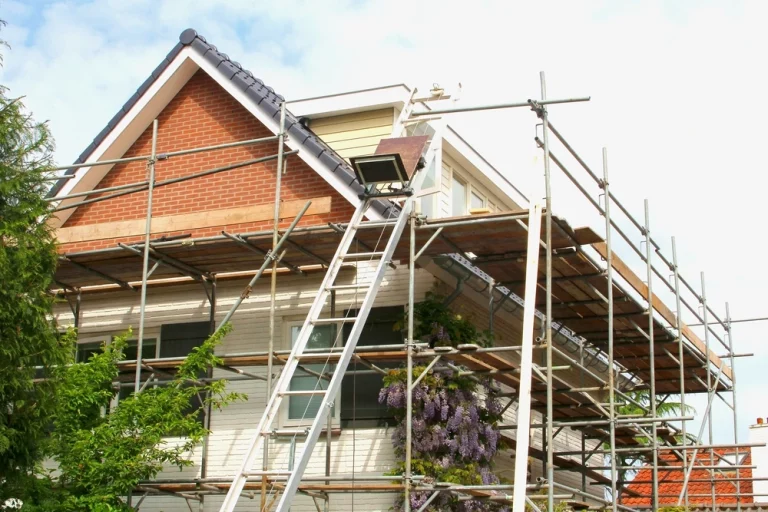
 Effective planning is essential when renovating an old barn. You need to determine the scope and costs involved, work closely with contractors, and secure necessary permits. This ensures the process goes smoothly and stays within budget.
Determining Scope and Costs
Defining the scope of your renovation includes identifying the specific areas that need work, such as plumbing, electrical systems, and insulation. Start by assessing the overall condition of the barn; consider structural integrity, roof condition, and foundation stability.Next, develop a detailed budget. Create a comprehensive list of materials and labor costs. Seek quotes from multiple suppliers and contractors to ensure competitive pricing. Factor in unexpected expenses by allocating an extra 10-15% of your budget as a contingency.Finally, set a realistic timeline. Estimate how long each phase will take and outline deadlines. Clear communication with your team ensures synchronized efforts and helps track progress efficiently.Working With Contractors
Choosing the right contractors is crucial. Look for those with experience in barn renovation. Ask for references and visit previous projects if possible. Interview multiple contractors before making your decision.Discuss your plans in detail. Ensure they understand your vision and requirements. Verify their license, insurance, and any certifications. Request a detailed contract outlining the scope of work, timeline, and payment schedule.Maintaining clear communication is important. Schedule regular updates and site visits to monitor progress. Address any issues immediately to prevent delays. Collaborating effectively with your contractors will help you achieve the desired results without unnecessary setbacks.Securing Necessary Permits
Obtaining the necessary permits is a legal requirement when renovating an old barn. Begin by contacting your local zoning office. They will provide information on the permits needed for your project.Typical permits may include building, electrical, and plumbing permits. Ensure you understand the application process and prepare all required documentation. Submit your applications well in advance to avoid delays.Inspections might be mandated at various stages of the renovation. Schedule these inspections in coordination with your contractor to ensure compliance with local building codes. Properly securing all necessary permits guarantees that your barn renovation meets all regulatory standards and avoids costly fines.Materials and Methods
When working with an old barn, it’s crucial to consider both traditional and modern techniques to ensure the project is successful. Focus on reclaiming and repurposing materials while incorporating relevant modern improvements to maintain integrity and enhance functionality.Reclaiming and Repurposing Materials
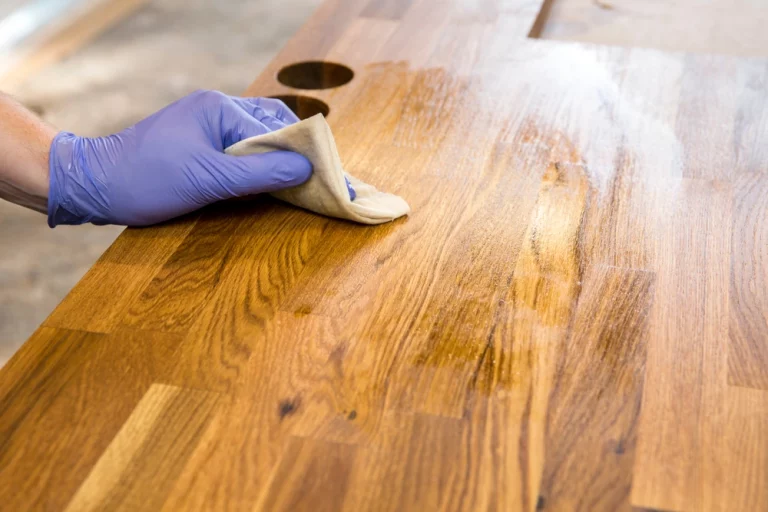
Reclaiming materials from an old barn can be both environmentally friendly and cost-effective. Look for reusable items such as wood beams, metal roofing, and vintage hardware. Materials like reclaimed barn wood offer unique charm and durability.Cleaning these materials is essential. Sandblasting or cob blasting the wood helps remove years of dust and debris. This step ensures materials are in good condition for reuse. Properly reclaimed wood and fixtures can be used in a fixer upper project to retain the authentic character of the barn.To protect reclaimed wood from further deterioration, apply a sealant or wood preservative. This adds longevity and preserves the aesthetic quality. Understanding the barn’s historical context may also guide you in choosing period-appropriate materials, which is particularly important for historical restorations.Considering Modern Improvements
Modern improvements can enhance the functionality and longevity of the restored barn. Incorporating contemporary materials like steel brackets and advanced insulation can provide structural integrity and energy efficiency without compromising the barn’s original charm.For example, you might use new roofing materials that mimic the look of traditional shingles but provide better weather resistance. Modern tools and techniques can also simplify the restoration process. Tools like laser levels and power sanders help achieve precise and efficient work.Energy-efficient windows and doors can be installed to improve insulation while maintaining the barn’s rustic appearance. Upgrading electrical and plumbing systems is crucial if the barn is to be repurposed for modern use, such as a living space or event venue.These improvements, while modern, should always respect the original architecture and materials of the barn to create a harmonious blend of old and new. For expert advice on specific methods and materials, consulting with restoration specialists can provide valuable insights.Deconstruction and Cleanup
 Tearing down an old barn requires careful planning and execution to ensure safety and efficient debris management. Proper dismantling techniques and effective waste disposal methods are essential.