Key Takeaways
- Consider all free disposal options, keeping in mind any transportation efforts required.
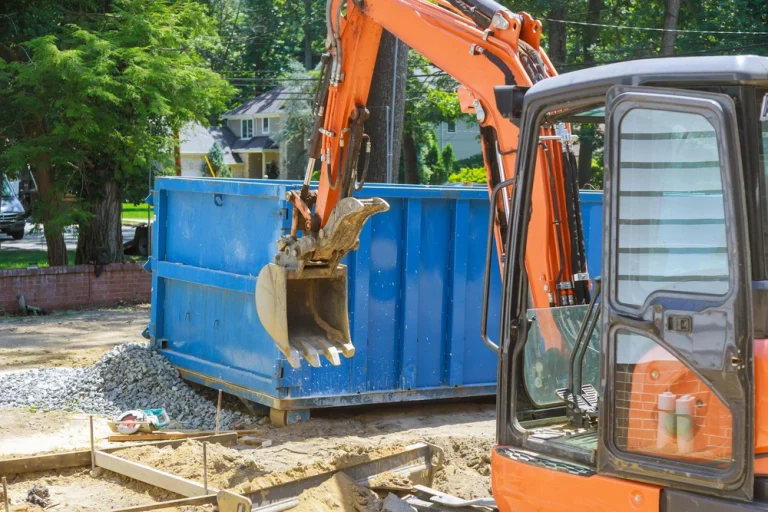
- Look into a furniture dumpster rental for an easier disposal of large or bulky items.
- Responsible furniture disposal methods can benefit the environment and the community.

Municipality Recycling Programs
Your local municipality recycling programs often provide options to dispose of unwanted furniture without incurring a cost. Check your local waste management or recycling center policies, as many cater to residents looking to dispose of bulky items in an eco-friendly manner.Here’s what you should do:- Contact Your Local Center: Reach out to your city or town’s waste management department. Find out if they offer free disposal days or have specific procedures for furniture disposal.
- Curbside Pickup: Some cities provide curbside pickup services for large items like furniture. It may be on a regular schedule or require a special request.
- Drop-Off Locations: Municipalities may have dedicated locations where you can drop off your furniture. Confirm the drop-off hours and any guidelines to follow.
- Item Condition: Assess if the furniture is in a state that prohibits disposal, such as severe damage or contamination.
- Recycling Options: Some furniture may be recyclable. Your local program can advise on materials they can process.
- Proof of Residence: You may need to prove residency, like a utility bill or ID.
- Type of Furniture: Be prepared to describe your items as some centers have restrictions.
Large Item Collection Services
When you need to dispose of old furniture, furniture dumpster rental services are an accessible option. Renting a dumpster typically offers a more cost-effective solution than hiring a junk removal service. You can throw away sizable items, such as couches, desks, and more, without the hassle of transporting them.Local Waste Management Services sometimes offer special bulk trash pickup for large items. For example, services might include the removal of mattresses, bed frames, and sofas. However, these items must meet specific guidelines, and appointments may be required.For Community Cleanup Events, municipalities occasionally organize days where you can dispose of your furniture for free. Keep an eye on local announcements or city websites for scheduled events.- Junk Removal Service: This is a convenient but often more expensive choice. Reputable companies take your furniture and ensure proper disposal or recycling.
- Charitable Donation: If your furniture is still in good shape, consider donating. Organizations may offer free pickup for your donated items.
- Check with your local waste management for bulk pickup guidelines.
- Compare costs between dumpster rental and junk removal services.
- Inquire about community cleanup days for free disposal opportunities.
- Donate usable furniture to avoid disposal fees and help others in need.
Furniture Donation Organizations
 When looking to dispose of your furniture without cost, consider donating to organizations that offer free pickup services. This not only helps you clear out space but also contributes to a good cause.
- The Salvation Army: Noted for its extensive community programs, The Salvation Army provides free furniture pickup, among other sizable donations like appliances.
- Habitat for Humanity ReStores: These stores often accept furniture donations and provide a free pickup service. The items donated are sold at their ReStores, and the proceeds help build homes for those in need.
Community Swap Events
Community swap events are a creative way to dispose of your unwanted furniture for free while potentially acquiring something you need in return. At these events, you get to exchange items with your neighbors without any monetary transactions.How It Works:
- You bring items you wish to discard.
- Other participants do the same.
- Items are swapped based on mutual agreement.
- Eco-Friendly: Trading furniture minimizes waste and reduces the need for landfill space.
- Cost-Efficient: There’s no cost to you; it’s a free exchange.
- Community Building: You meet and help out your neighbors, strengthening community bonds.
Finding Events:
- Local Newspapers: Look for announcements in the community sections.
- Online Community Boards: Websites like Nextdoor and Craigslist often have postings about upcoming swap events.
- City Websites: Municipalities sometimes sponsor these events as part of waste reduction programs.
Before You Attend:
- Ensure your items are in respectable condition. Bulky trash is not usually welcome.
- Check requirements: Some events have rules on what can be swapped.
- Prepare for transport: While events are free, you’ll need a way to transport your items.
Retailer Take-Back Programs
When considering discarding your old furniture for free, one resourceful option is utilizing Retailer Take-Back Programs. Many furniture retailers offer services to take back your old items when you purchase new ones. These programs are an eco-friendly way of disposing of your unwanted furniture without incurring disposal costs.Here are a few notable retailer take-back programs:- IKEA: As part of their sustainability initiative, IKEA may take back your old furniture in exchange for store credit. Check with your local store for eligibility and details.
- Furniture Stores with Delivery Services: Some retailers who offer delivery for new furniture might agree to haul away your old pieces. Inquire about this option when you make a purchase.
Online Marketplaces and Platforms
 When looking to dispose of your furniture for free, online marketplaces and platforms offer a viable solution. These services facilitate connections between you and potential recipients who may find value in what you no longer need.Craigslist and Facebook Marketplace are two such platforms where you can list your furniture at no cost. By doing so, you give your items a second life, helping to reduce waste. To list an item, simply follow these steps:
- Visit the respective website or app.
- Create a new listing with a clear description and photos of your furniture.
- Specify that the item is free and available for pickup.
Local Scrap Yards and Recycling Centers
When you’re looking to dispose of your old furniture, local scrap yards and recycling centers can be a viable option, especially if you’d prefer a free disposal method.These facilities may accept furniture that can be broken down and recycled, reducing its impact on the environment.Before You Go:- Check Eligibility: Not all centers accept furniture. It’s crucial to contact them first to verify what types of materials they take.
- Prepare Your Items: If accepted, disassemble your furniture as required. This often makes it easier for recycling and may be a prerequisite for drop-off.
- Search Online: Utilize online resources to locate your nearest recycling centers.
- Hours of Operation: Confirm their business hours and if you need to schedule an appointment.
- Metals (e.g., bed frames, table legs)
- Wood (from tables, chairs)
- Plastics (where applicable)
- Eco-friendly disposal
- Cost-effective (potentially free)
College Campus Move-Out Days
During the end of the academic year, college campus move-out days may present you with an excellent opportunity to discard furniture for free.Many colleges organize events where students can donate or leave behind furniture that they no longer need. Such initiatives are aimed at reducing waste while helping others in the community.For instance, Lafayette College has an event known as “Green Move Out” where students can recycle their unused or gently used household items. You can donate items like clothing, dorm goods, and books during these days.Here is a quick-reference listing of programs with similar donation drives:- Arizona State University: Ditch the Dumpster
- University of New Hampshire: Trash2Treasure
- University of Connecticut: Give & Go
- Yale University: Spring Salvage
- UC Santa Barbara: GIVE Sale
Environmental Impact of Furniture Disposal
When you consider disposing of your furniture, it’s crucial to recognize your choices’ environmental repercussions.Furniture waste contributes significantly to landfills, with vast amounts of couches, chairs, and tables accumulating each year.Materials and Longevity:- Wood: Often ends up in landfills, decomposing and releasing methane, a potent greenhouse gas.
- Metal: Takes an extended period to break down, occupying landfill space for centuries.
- Plastics: Release chemicals into the environment as they slowly decompose.
- Many furniture items are treated with chemicals that can be harmful when released into the environment, such as:
- Flame retardants
- Stains and varnishes
- Adhesives
- Reuse: Extends furniture’s life and reduces demand for new products.
- Recycling: Transforms waste into new materials, reducing the need for virgin resources.
Tips for Responsible Furniture Disposal
 When you decide to part with old furniture, remember that responsible disposal is vital for environmental sustainability. Here’s how to do it properly:
- Donate to Charity: Many charities will pick up furniture for free. Organizations such as Habitat for Humanity or The Salvation Army welcome furniture donations and will collect items from your home.
- Recycle: Your local recycling center may accept furniture. Furniture with metal or textile components can often be recycled.
- Municipal Waste Management: Some municipalities provide large item pick-up services, which you can schedule for furniture disposal.
| Key Step | Description |
|---|---|
| Call for Pickup | Schedule with charities or municipal services. |
| Check Recycling | See if the material can be recycled. |
| Avoid Illegal Dumping | Never leave furniture in undesignated areas. |
- Arrange a Special Pickup: Contact your local trash service to schedule a bulk item pickup. There may be a fee involved.
- Sell or Give Away: Offer the furniture to someone in need, or sell it through online marketplaces.
- Assess the Condition: Furniture in good shape may be more suitable for donation.
- Consider the Environmental Impact: Think about the most eco-friendly disposal option.