Key Takeaways
- Dumpster rentals are effective for large amounts of yard waste.
- Curbside pickup and recycling centers are convenient disposal options.
- Composting is an eco-friendly way to manage yard debris.

Understanding Yard Waste
Yard waste consists of various types of organic materials found during routine landscaping activities. Proper disposal not only helps maintain a neat environment but also supports ecological balance by promoting sustainable recycling and waste management practices.Types of Yard Debris
Yard debris includes a variety of organic materials, each needing specific disposal methods. Leaves, for instance, are abundant in the fall and can be composted to enrich garden soil. Grass clippings, often left after mowing, could be used for mulching, aiding moisture retention in lawns. Weeds and small plants usually require timely disposal to prevent their spread and can be incorporated into compost to decompose safely.Branches and sticks, sometimes resulting from pruning or storm damage, can be quite bulky. Consider shredding them to create wood chips or mulch. Organic debris, including a mix of various plant materials, can contribute to compost if handled correctly.Benefits of Proper Disposal
Proper disposal of yard waste offers several advantages, particularly for the health of your garden and the environment. Composting materials like leaves and grass clippings create nutrient-rich compost, enhancing soil quality and supporting plant growth. By transforming these materials into mulch, you can conserve moisture and reduce the need for chemical fertilizers.Efficient disposal also minimizes landfill waste. This reduction helps lower greenhouse gases, such as methane, produced by organic matter decomposition in landfills. By managing your yard debris responsibly, you contribute to a cleaner environment and promote sustainable practices within your community.Yard Debris Removal Options
When dealing with yard waste removal, several options exist, each with its own benefits. Consider the convenience and cost effectiveness of dumpster rentals, curbside pickup services, and hiring junk removal services to determine what best fits your needs.Dumpster Rental
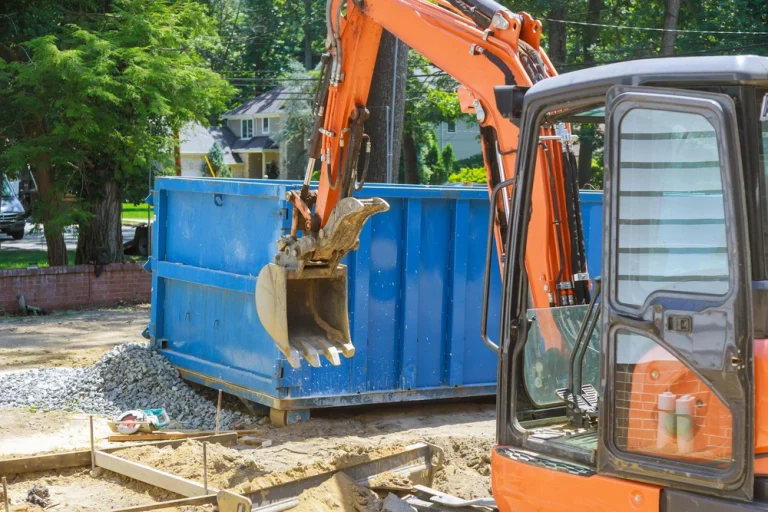
Using a dumpster rental is often the most efficient method for large-scale yard waste disposal. Renting a dumpster allows you to handle significant volumes of debris without multiple trips to disposal sites. They come in various sizes, so you can choose one tailored to your project.The advantage of a dumpster rental is its flexibility. You can fill it at your convenience, and the rental company will handle the disposal. This option also saves time and effort compared to other methods.Local dumpster rentals are particularly beneficial for extensive landscaping projects, and you avoid the stress of coordinating multiple pickups or deliveries.Curbside Pickup Services
Curbside pickup services offer a convenient solution for managing regular yard waste removal. Most cities provide these services periodically, where you can place your yard waste in biodegradable bags or containers on the curb.To make the most of curbside services, ensure you follow local guidelines regarding the types of waste accepted and any scheduling specifics. This option is typically restricted by quantity limits, making it ideal for smaller maintenance tasks rather than large projects.Using curbside pickup services can save money since they are usually included in municipal waste management fees. However, you need to prepare and organize your waste according to the service requirements.Hiring Junk Removal Services
Hiring a junk removal service is a great choice for those who prefer not to engage with the physical labor of yard waste removal. Professionals will gather, load, and dispose of your debris.A junk removal company is an excellent option if you have a larger budget and prioritize convenience. While this method is often more expensive, it provides a stress-free experience as you avoid heavy lifting and transportation.Ensure you research and compare different junk removal services, as prices can vary significantly. This will ensure you receive quality service while staying within budget.Composting at Home
 Composting at home transforms yard debris and food scraps into nutrient-rich soil amendments. This process reduces waste, lowers landfill usage, and produces valuable compost and mulch for gardening.
Setting Up a Compost Bin
To begin composting at home, select an ideal location for your bin. It should be a dry, shady spot near a water source for convenience. Choose between an open pile or an enclosed bin, depending on your space and local regulations.Fill the bin with a balanced mix of green materials like food scraps and grass clippings, and brown materials such as leaves and cardboard. Balancing these components is crucial for optimal decomposition. Adding water to maintain moisture ensures efficient composting.Composting Process and Maintenance
Regular maintenance is key to a successful compost pile. You should turn the materials weekly using a garden fork to aerate and provide oxygen for microbes, which accelerates decomposition. This is especially needed when the pile’s center feels warm, indicating active microbial activity.Monitor moisture levels to prevent the pile from becoming too dry or soggy; it should feel like a damp sponge. Proper composting technique prevents odor and deters pests. Under ideal conditions, expect finished compost in a few months. This rich, dark material can be used as a mulch or soil amendment, enriching your garden while reducing organic waste.Eco-Friendly Yard Waste Alternatives
Using eco-friendly methods to dispose of yard debris can enhance your garden’s health and reduce environmental impact. Two effective strategies include transforming yard waste into mulch and practicing grasscycling with leaf mulching.Creating Mulch from Yard Debris
When you turn branches, leaves, and grass clippings into mulch, you contribute to soil health and water conservation. Begin by shredding the debris into smaller pieces. This allows for quicker decomposition and easier application.Apply the mulch around plants. This material retains moisture, reduces weed growth, and adds nutrients to the soil as it breaks down. Not only is this beneficial for your garden, but it also decreases the volume of organic waste in landfills. Homeowners often find this approach both practical and sustainable.Additionally, different kinds of mulch, such as pine bark or wood chips, can be combined with yard waste to enhance both texture and nutrient content. This variety can cater to your garden’s specific needs, offering a tailored approach to soil conditioning.Grasscycling and Leaf Mulching
Grasscycling involves leaving grass clippings on your lawn after mowing. These clippings decompose quickly, returning essential nutrients to the soil and reducing the need for chemical fertilizers. This practice keeps your lawn nourished while minimizing waste.Leaf mulching operates similarly. Leaves can also be mowed and left to decompose. If you prefer, collect them and create a mulch layer around garden plants. This helps maintain soil temperature and moisture levels.Both methods save time and effort, eliminating the need for waste collection and disposal. They support a healthier lawn ecosystem while reducing the overall volume of yard waste. Embracing these techniques can make a significant difference in maintaining an eco-friendly garden.Legal Considerations
 When dealing with yard debris, understanding the legal requirements is crucial to ensure compliance and avoid penalties. Key legal areas include permits for burning yard waste and local disposal regulations.