Key Takeaways
- Professional services offer efficiency and expertise.
- DIY removal can be cost-effective but time-consuming.
- Safety and regulation compliance are crucial considerations.

Understanding Debris Removal
Debris removal is essential for maintaining clean and safe environments. It’s crucial to understand the types of debris and the methods for disposal, including the environmental implications and recycling options available.Types of Debris and Disposal Methods
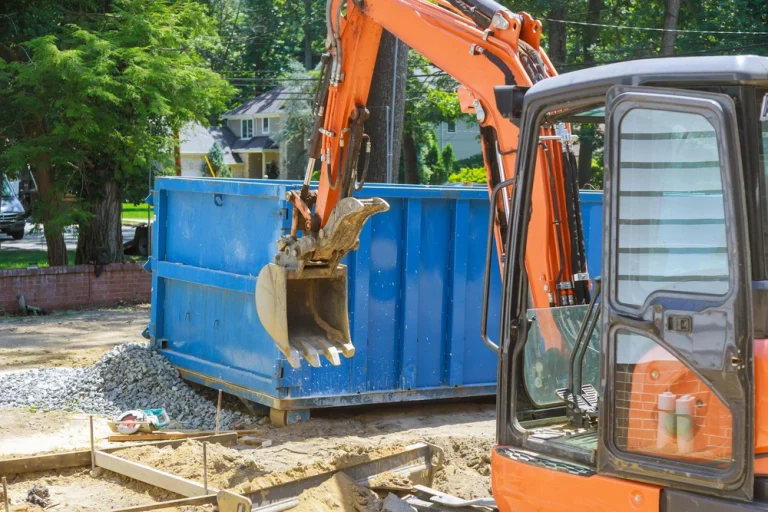
Debris can include a variety of materials such as construction waste, yard waste, and household items. Each type requires specific disposal methods.- Construction Waste: Typically includes concrete, wood, metal, and drywall. Disposal often involves construction dumpsters or specialized construction debris removal services.
- Yard Waste: Comprises branches, leaves, and grass clippings. This can be managed through composting, a yard waste dumpster rental, or taking it to designated yard waste disposal sites.
- Household Items: Includes old furniture, appliances, and electronics. Options for disposal include donations, recycling centers, using a home dumpster rental or hiring professional junk removal services.
Environmental Considerations and Recycling
Environmentally conscious debris removal involves evaluating the impact on ecosystems and implementing recycling practices.- Recycling: Many materials can be recycled, including metals, plastics, and certain types of glass. This reduces the volume of waste in landfills and conserves natural resources.
- Eco-Friendly Practices: Implementing eco-friendly practices like composting yard waste or using recycled construction materials helps minimize environmental impact.
- Hazardous Waste Management: Proper management of hazardous waste, such as batteries and chemicals, is vital to prevent soil and water contamination.
DIY Debris Removal: Pros, Cons, and Considerations
DIY debris removal offers flexibility and potential cost savings, but it requires careful planning, safety measures, and proper disposal methods. Understanding the tools and equipment needed, potential hazards, and the importance of responsible disposal is crucial.Equipment and Tools Required
For DIY debris removal, you’ll need various tools depending on the type of debris. Essential items include:- Shovels and rakes: Useful for gathering loose materials.
- Wheelbarrows: Help transport debris.
- Garbage bags or bins: For collecting small items or leaves.
- Power tools: Such as chainsaws or leaf blowers, may be necessary for larger projects.
Safety and Potential Hazards
Safety should be a priority when undertaking any DIY debris removal project. Some of the common safety risks include:- Physical labor: Heavy lifting can lead to back injuries or strains.
- Hazardous materials: Sharp objects, broken glass, or toxic substances can pose health risks.
- Environmental exposure: Working outdoors exposes you to the sun and weather, so wearing appropriate clothing and protection is essential.
The Importance of Proper Disposal
Proper disposal of debris is a critical component of DIY removal. Improper disposal can lead to environmental harm and potential legal issues. Here’s what you need to keep in mind:- Recycling: Many materials can be recycled, reducing waste.
- Local regulations: Check local guidelines for disposal, as they vary by region.
- Eco-friendly practices: Aim for sustainable disposal methods whenever possible, such as composting yard waste.
Hiring Professional Services: Benefits and Limitations
 Engaging professional services for junk or debris removal offers multiple advantages, such as convenience, efficiency, and specialized expertise. However, there are also costs and potential limitations to consider.
Convenience and Efficiency
Hiring a professional junk removal service ensures that the process is swift and hassle-free. Professionals are equipped to handle the job efficiently, saving you time and effort.They manage tasks like sorting, loading, and disposing of items, which can significantly reduce your workload. This efficiency is particularly valuable when dealing with large volumes or bulky items that require heavy lifting.Choosing professional services also means you don’t have to worry about logistics, such as transportation or finding suitable disposal sites, making the entire process seamless.Expertise and Specialized Equipment
Professional debris removal services come with the necessary expertise and equipment to handle various types of waste. Whether it’s hazardous materials, heavy machinery, or large accumulations of junk, professionals have the training and tools to manage these safely and effectively.These services often include the ability to differentiate items for donation, recycling, or hazardous disposal, ensuring compliance with local regulations. Having experts handle these tasks mitigates risks and provides peace of mind, knowing that the job is done correctly and safely.Additionally, the specialized equipment used by professionals goes beyond what the average homeowner has, ensuring a thorough and efficient cleanup.Cost and Value Analysis
While hiring professional debris removal services comes with costs, it can prove cost-effective in many scenarios. The convenience and efficiency save you significant time, which can be valuable if you’re on a tight schedule.Professionals also offer transparent pricing, which helps you understand what you’re paying for and why. Furthermore, the inclusion of insurance coverage in professional services can provide financial protection against potential damages or injuries, adding value beyond just the immediate cleanup.When comparing the expenses of DIY removal versus professional services, consider factors such as time saved, the physical effort required, and the potential for additional costs with DIY approaches. All these elements together can make professional services a worthwhile investment.Navigating Legal and Safety Regulations
When dealing with debris removal, it’s crucial to stay informed about local and federal disposal regulations and ensure safe handling of hazardous materials. Following these guidelines not only protects you from legal trouble but also minimizes environmental impact and maintains safety.Local and Federal Disposal Regulations
Local regulations governing debris disposal vary widely, so understanding them is essential. Cities often have specific rules about what can be discarded in regular trash, recycling, or special waste collections. Noncompliance can lead to fines and other penalties.Federal regulations prioritize the safe disposal of hazardous waste. The Environmental Protection Agency (EPA) provides guidelines to handle various types of waste, ensuring that disposal methods do not harm the environment. For example, certain chemicals must not be disposed of in landfills due to their long-term environmental impact.You often need permits for large-scale debris removal or construction waste. These permits ensure that waste management processes meet safety and health standards. Always check with your local waste management authority to understand the requirements for permits and disposal methods for your specific type of debris.Handling Hazardous Materials Safely
Proper handling of hazardous materials is non-negotiable. Safety protocols should be followed to prevent accidents and environmental damage. Always wear personal protective equipment (PPE) such as gloves, masks, and goggles when dealing with potentially dangerous materials.Labeling hazardous waste correctly is vital. This helps in recognizing and safely disposing of materials like paint, batteries, and chemical solvents. Many local facilities offer special disposal services for hazardous materials to prevent contamination and ensure safety.Adhere to guidelines for the separation of recyclable materials and hazardous waste. Mixing these can lead to contamination and pose serious health risks. Utilizing proper disposal methods and safety protocols protects not only you but also the community and the environment from harmful substances.Ensuring compliance with legal and safety standards in debris removal demands diligence. Keep informed, stay safe, and handle waste responsibly to avoid accidents and legal complications.The Financial Aspect of Debris Removal
 Whether you choose to handle debris removal yourself or hire professionals, understanding the financial implications is crucial. Below, we break down the main expenses, hidden costs, and the balance between cost and quality that you should be aware of.