Key Takeaways
- Yard maintenance is crucial for a healthy and attractive outdoor space.
- A seasonal schedule ensures yard tasks are timely and effective.
- Proactive measures can prevent common issues in gardening and lawn care.

Lawn Care
Proper lawn care ensures a lush, healthy lawn that can resist pests and weather stress. Your lawn care routine will be more effective if you follow a structured plan that includes mowing, watering, fertilizing, and weed control.Mowing Techniques
When mowing your lawn, always ensure your mower blades are sharp for a clean cut which promotes grass health. It’s vital to follow the one-third rule, never cutting more than one-third of the grass blade height at a time to prevent stress on the grass.Watering Schedule
For most lawns, it’s best to water your grass deeply and infrequently to encourage deep root growth. Aim for about 1 to 1.5 inches of water per week, either from rainfall or irrigation, and prefer to water in the early morning to reduce evaporation and fungal growth.Fertilization Plan
Use a slow-release nitrogen fertilizer to feed your lawn and promote steady growth. The best time to fertilize is during the growing season, which for cool-season grasses is in the fall and for warm-season grasses in the late spring.Weed Management
Weed management begins with healthy lawn practices, as dense grass can prevent weeds from establishing. For any that do appear, identify the weed type and use the appropriate seasonal lawn care maintenance and treatment, whether that’s pre-emergent herbicides early in the season or targeted spot treatments as needed.Plant Maintenance
Proper plant maintenance is critical for a healthy and beautiful yard. Keep your plants thriving with targeted care in three key areas: pruning, deadheading, and mulching.Pruning Shrubs
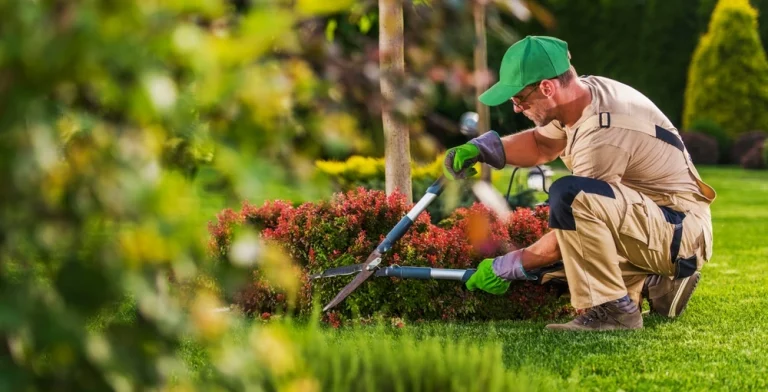
When to Prune: Determine the best time to prune your shrubs. Generally, prune flowering shrubs after they bloom to avoid cutting off future flowers. For non-flowering shrubs, late winter or early spring is ideal.- Technique: Use sharp, clean pruning shears.
- Goal: Aim to remove dead or diseased branches, shape the plant, and encourage growth.
Deadheading Flowers
Purpose: Deadheading flowers, or removing spent blooms, encourages plants to produce more flowers, extending the blooming period.- How to Deadhead:
- Gently snip or pinch off wilted blooms.
- Make your cut just above the next leaf or bud.
Mulching Beds
Benefits of Mulching: Mulching retains soil moisture, suppresses weeds, and insulates plant roots.- Correct Application:
- Apply a 2-3 inch layer of mulch around plants.
- Avoid piling mulch against plant stems to prevent rot.
Tree Management
 Proper tree management is crucial for maintaining a healthy and aesthetically pleasing yard. This section focuses on essential practices including trimming branches, assessing tree health, and implementing seasonal care.
Trimming Branches
To ensure trees in your yard remain healthy and safe, regular pruning is necessary. Trim branches that are dead, diseased, or pose a hazard. When pruning trees, do so with the appropriate tools and techniques to prevent damage to the tree and encourage healthy growth.Tree Health Assessment
Regularly assess your trees for signs of distress, such as discolored leaves or unusual growth patterns. Early detection of issues such as pest infestations or diseases can save a tree from decline. Inspect trees for damage and consult with an arborist for a professional evaluation if necessary.Seasonal Tree Care
Your trees need different types of care depending on the season. In spring, mulch and water your trees as they enter a growth phase. In fall, prepare them for dormancy by proper mulching and possibly anti-desiccant applications. Refer to seasonal landscape maintenance guides to give your trees the best care year-round.Garden Equipment Maintenance
Properly maintaining your garden equipment is crucial for ensuring its longevity and effectiveness. Adherence to regular cleaning, storage, and scheduling of maintenance tasks will provide optimal performance and save you from costly replacements or repairs.Tool Cleaning
After each use, thoroughly clean your tools to remove soil, sap, and plant residue. For metal components, use soapy water and a stiff brush, then dry thoroughly to prevent rust. Apply mineral oil to metal surfaces to protect them from corrosion. For wooden handles, a rub down with linseed oil will keep them conditioned and prevent splintering.Equipment Storage
Store your garden equipment in a dry, sheltered place to protect it from the elements. Hang tools up to prevent bending or warping, and make sure they are out of reach of children. For equipment such as lawnmowers and trimmers, cleanliness and removing any remaining fuel before storage can prevent clogs and deterioration.Maintenance Schedule
Keeping a regular maintenance schedule ensures that your equipment stays in top condition. Create a checklist based on the manufacturer’s recommendations that might include sharpening blades at the start of the season, changing the oil in engines after every 50 hours of use, and checking for loose nuts and bolts periodically. For convenience, you can find and print out a detailed Garden Maintenance Checklist to keep track of these tasks.Pest Control
Effective pest control is an essential part of yard maintenance, ensuring your garden remains healthy and free from invasive species. Your plan should include not only identifying and repelling pests but also selecting the appropriate treatment methods when needed.Identifying Pests
To protect your garden, you first need to know what you’re up against. Regularly inspect your plants for signs of damage, and familiarize yourself with the common pests in your area. If you notice unusual activity or damage, refer to resources like Pest Control Preventive Maintenance to aid in accurately identifying the culprits.Natural Repellents
Using natural repellents is a safe and eco-friendly approach to pest control. Consider planting deterrents such as marigolds or garlic, which can naturally repulse certain insects. Additionally, encourage beneficial insects like ladybugs that prey on harmful pests. Composting and maintaining soil health can also help deter pests naturally.Chemical Treatments
When natural methods are insufficient, chemical treatments may be necessary. Use targeted treatments for the specific pests you’ve identified; broad-spectrum insecticides should be a last resort. Always follow label instructions carefully to minimize potential harm to non-target species and the environment. For more comprehensive chemical practices, websites like TruGreen: Seasonal Lawn Care offer expert advice.Seasonal Cleanup
 Seasonal cleanup is an integral part of maintaining a healthy and attractive yard. Each season brings specific tasks that will prepare your landscape for the next phase of the year.
Spring Preparation
Tasks for Early Spring:- Inspect your yard for damaged branches and plants. Remove these to prevent disease spread and encourage new growth.
- Apply a generous application of granular gypsum as soon as the ground thaws to improve soil structure and prepare it for new planting.
- Rake your lawn to remove dead grass and prevent thatch build-up, ensuring a healthy start to the growing season.
Fall Leaf Removal
Weekly Routine:- Rake leaves and debris regularly to keep your lawn healthy and prevent decay which can smother grass and create fungal diseases.
- Clean up fallen leaves and debris in garden beds to reduce chances of pest and disease overwintering.
Winterizing
General Yard Preparation:- Ensure all outdoor water systems are drained and protected to prevent freeze damage.
- Apply mulch to your plant beds to protect perennial plants, and consider wrapping vulnerable shrubs to guard against frost and windburn.