Key Takeaways
- Prioritize personal safety and use appropriate protective gear during cleanup.
- Document damage comprehensively for insurance claims and seek financial aid if necessary.
- Address both physical and emotional recovery after a tornado to support overall well-being.

Safety First: Pre-Clean Up Considerations
Ensuring your safety is paramount when dealing with the aftermath of a tornado. Prior to embarking on the clean-up process, it’s crucial to assess potential dangers, coordinate with public safety authorities, and properly equip yourself with necessary protective gear.Assessing Immediate Dangers
Immediately after a tornado, you must be vigilant for immediate dangers. Before any clean-up effort:- Survey the area for downed power lines; assume all are live and dangerous. Report them to the utility company or local emergency services.
- Detect and report any gas leaks. Do not use matches, lighters, or operate any electrical switches if you suspect a leak.
- Recognize unstable structures as they pose a significant hazard. Keep a safe distance and await professional assessment.
Working With Public Safety Officials
Cooperation with public safety officials is critical. Here’s what to do:- Follow the safety precautions and directives provided by responding agencies.
- Allow public safety officers to secure the area before commencing clean-up.
- Engage with local authorities to understand when it is safe to proceed and whether you require any permits for larger debris removal.
Personal Protective Equipment
Personal protection must not be overlooked. Always wear:- Hard hat to protect from falling objects.
- Safety goggles to safeguard your eyes from harmful debris.
- Work gloves to prevent cuts and abrasions from sharp objects.
- Respirator to avoid inhaling potentially toxic dust and airborne particles.
Initiating the Clean Up
Initiating cleanup after tornado damage requires careful consideration of debris management, addressing utility hazards, and the proper disposal of hazardous waste. Each step holds its own set of best practices and safety measures.Debris Management
You should start by sorting debris into categories for easier removal. Utilize heavy-duty trash bags for smaller debris and consider hiring professional debris removal services for larger or heavier items.- Organize Debris: Separate debris into piles:
- Vegetative (tree branches, leaves)
- Construction materials (shingles, glass, wood)
- Household items (furniture, electronics)
- Safe Removal: Ensure you wear protective clothing, including gloves and sturdy boots, to prevent injury.
- Rent a Dumpster: Having the right residential dumpster rental gives you a place to safely put all the debris from the tornado damage.
Utility Hazards
After a tornado, immediately check for utility hazards in and around your property.- Gas Leaks: If you smell gas, leave the area and contact your gas company.
- Power Lines: Assume all downed power lines are live. Stay at least 35 feet away and report them to the utility company.
- Water: Floodwater can be electrically charged from downed power lines or contaminated by sewage. Avoid contact as much as possible.
Hazardous Waste Disposal
Hazardous waste includes chemicals, paint, batteries, and other materials that can’t be disposed of with regular trash due to environmental regulations.- Identification: Clearly identify hazardous waste and separate it from other debris.
- EPA Guidelines: Follow guidelines from the Environmental Protection Agency (EPA) regarding hazardous waste disposal to ensure community safety.
Evaluating and Addressing Property Damage
 After a tornado, it’s essential to carefully evaluate your property for damage and take deliberate steps to prevent further deterioration. Initiating repairs and restoration promptly can mitigate additional issues, such as mold growth or water damage.
Structural Damage Assessment
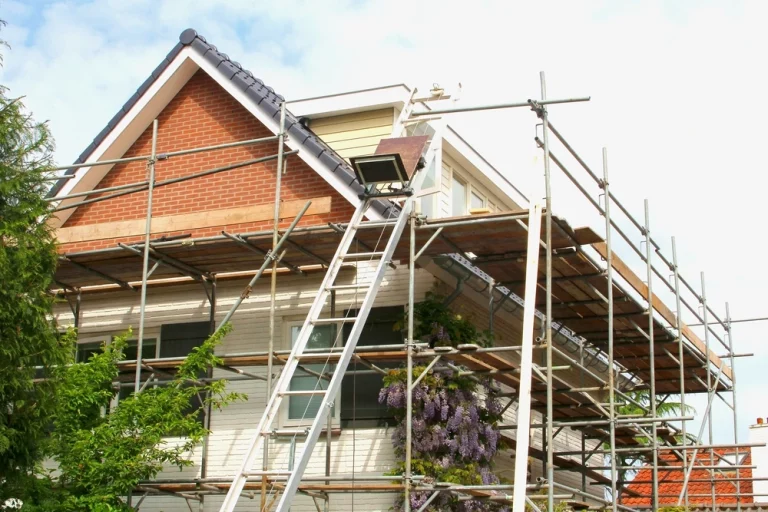
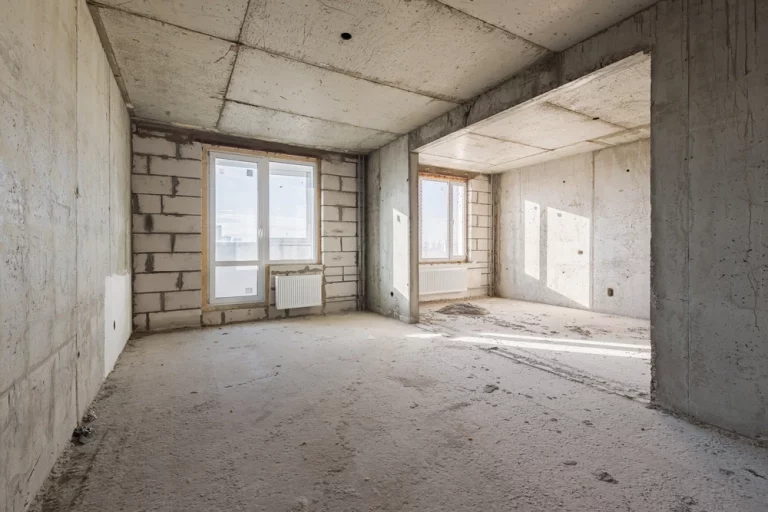
When safety allows, inspect your property for signs of structural damage. With protective gear on, look for roof damage, cracked foundations, or compromised walls. If you suspect significant structural issues, it’s crucial to have a professional assess the stability of your home.- Check walls and ceilings for cracks or shifts.
- Examine the roof for missing shingles or bent framing.
- Inspect windows for integrity and frames for warping. If evidence of structural damage is found, prioritize these repairs to secure the safety of the building.
Mitigating Secondary Damage
Secondary damage, like water damage or fire damage, can follow the initial tornado impact. It is important to:- Cover broken windows and damaged roofs with tarps to prevent water ingress.
- Dry out wet areas immediately to thwart mold growth.
- Remove debris to reduce fire hazards.
Salvage and Property Restoration
Begin the salvage process by recovering personal items that can be cleaned and restored. Assess each item for damage, and decide if it’s suitable for:- Professional cleaning.
- Repairs, if it’s structurally damaged but salvageable.
- Restoration, to bring back to its pre-disaster condition.
Navigating Insurance and Financial Assistance
After tornado damage, understanding your insurance policy and what financial assistance is available can be crucial to your recovery.Filing an Insurance Claim
Step 1: Contact Your Insurance Company. As soon as possible after experiencing tornado damage, get in touch with your insurance provider to begin the claim process. Prompt action is necessary, as insurers often work on a first-come, first-served basis after widespread disasters.Step 2: Review Your Policy. It’s important to know exactly what your policy covers. Standard homeowners insurance policies typically include tornado damage, but specifics can vary.- Deductibles and Limits: Understand your policy’s deductibles and the limits on what they will pay to repair or replace your property.
- Temporary Living Expenses: Check if your policy includes Additional Living Expenses (ALE) to cover the costs of temporary housing if your home is uninhabitable.
Documenting Tornado Impact
Immediate Documentation: As soon as it is safe to do so, document all tornado-related damages.- Take photographs and videos from various angles to capture the extent of the damage.
- Keep a written log of all damages and corresponding personal property losses.
- Do not discard damaged items until the insurance adjuster has visited.
- If you must make temporary repairs to prevent further damage, keep receipts and a detailed record of all expenditures.
Health and Emotional Recovery
 After a tornado, addressing your physical health and emotional well-being is crucial. The trauma from such an event can lead to a variety of health concerns and emotional needs that require attention and care.
Physical Health Concerns
When cleaning up after a tornado, you should be aware of potential injuries. Wear sturdy shoes or boots, long sleeves, and gloves to prevent cuts and scratches from debris, which are common during cleanup. Be cautious of:- Exposed nails and broken glass which can cause serious injuries.
- Lead paint, especially in older buildings, can pose a risk when disturbed. Avoid inhaling dust and wear a mask for protection.
- Downed power lines can lead to electrocution; never touch them or any objects in contact with them.
- Disease prevention is paramount. Wash any wounds thoroughly and get medical attention for any serious injuries to avoid infections.
Emotional and Psychological Support
The impact of a tornado can be emotionally devastating. Feelings of trauma and loss are normal, and seeking emotional support is a sign of strength, not weakness. Consider:- Giving yourself time to adjust and grieve any losses.
- Reaching out for support from friends, family, or professional counselors.
- Staying informed and connected through a battery-powered radio to reduce feelings of isolation.